Indoor air quality (IAQ) is a critical aspect of our living environment that often goes unnoticed. While many people are aware of the importance of outdoor air quality, the air we breathe inside our homes can be just as polluted, if not more so. In fact, studies have shown that indoor air can contain a variety of harmful pollutants that can significantly impact our health and well-being. Understanding the factors that contribute to poor indoor air quality is essential for creating a healthier home environment.Common indoor air pollutants include dust mites , pet dander , mold spores , and volatile organic compounds (VOCs) emitted from household products such as paints, cleaners, and furniture.
These pollutants can lead to a range of health issues, particularly for individuals with pre-existing conditions like asthma or allergies. Symptoms such as sneezing, coughing, headaches, and fatigue can often be traced back to poor air quality within the home.Moreover, the significance of maintaining good indoor air quality extends beyond immediate health effects. Long-term exposure to indoor air pollution has been linked to serious health conditions, including respiratory diseases and cardiovascular problems. As we spend a substantial amount of time indoors—often up to 90%—it becomes increasingly important to address the quality of the air we breathe in our homes.By recognizing the sources and effects of indoor air pollution, homeowners can take proactive steps to improve their living conditions.
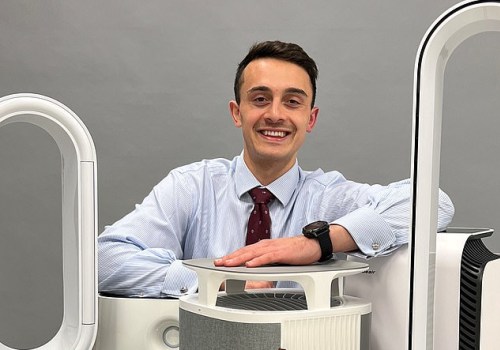
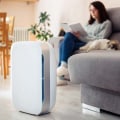
This is where solutions like an air purifier for home come into play. These devices not only help in filtering out harmful particles but also contribute to a more comfortable and healthier living space. Understanding the role of air purifiers in enhancing indoor air quality is crucial for anyone looking to safeguard their health and well-being.
What is an Air Purifier?
An air purifier is a device designed to improve indoor air quality by removing contaminants from the air. These contaminants can include dust, pollen, pet dander, smoke, mold spores, and various volatile organic compounds (VOCs) that can negatively impact health.By filtering out these pollutants, air purifiers help create a healthier living environment, particularly for individuals with allergies, asthma, or other respiratory issues.Understanding how air purifiers work is essential for anyone considering adding one to their home. Most air purifiers operate using a combination of filtration and purification technologies. The primary function of an air purifier is to draw in air from the surrounding environment, pass it through one or more filters, and then release the cleaned air back into the room.
Types of Air Purifiers
- HEPA Air Purifiers: High-Efficiency Particulate Air (HEPA) purifiers are among the most effective types available. They can capture at least 99.97% of particles that are 0.3 microns in size, including allergens and fine dust.
- Activated Carbon Air Purifiers: These purifiers use activated carbon filters to absorb odors and harmful gases.
They are particularly effective at removing smoke and chemical fumes.
- Ionic Air Purifiers: Ionic purifiers release charged ions into the air, which attach to airborne particles, causing them to clump together and fall to the ground or be collected on charged plates within the device.
- UV-C Light Air Purifiers: Utilizing ultraviolet light technology, these purifiers kill bacteria and viruses in the air. They are often used in conjunction with other filtration methods for enhanced effectiveness.
- Ozone Generators: While not recommended for home use due to potential health risks, ozone generators produce ozone to eliminate odors and pollutants. However, high levels of ozone can be harmful to respiratory health.
Understanding the different types available and how they function can empower homeowners to make informed decisions about improving their living environments.
The Importance of Air Purifiers in HVAC Systems
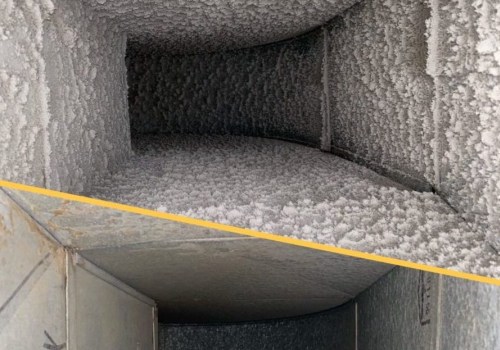
Integrating an air purifier for home use within your HVAC system is not just a luxury; it’s becoming a necessity in today’s world where indoor air quality is often compromised. The importance of air purifiers in HVAC systems cannot be overstated, as they play a crucial role in enhancing the overall air quality within your living space.One of the primary benefits of incorporating an air purifier into your HVAC system is the significant reduction of airborne pollutants. These pollutants can include dust, pollen, pet dander, mold spores, and even volatile organic compounds (VOCs) emitted from household products. By filtering these contaminants before they circulate throughout your home, air purifiers help create a healthier environment for you and your family.Moreover, individuals suffering from allergies or respiratory conditions such as asthma can experience marked improvements in their symptoms when using an air purifier.Studies have shown that cleaner air can lead to fewer allergy attacks and reduced respiratory issues, allowing for a better quality of life. This is particularly important for vulnerable populations, including children and the elderly, who may be more susceptible to the effects of poor air quality.In terms of HVAC system integration , air purifiers can be seamlessly installed within existing ductwork. This integration ensures that every room in your home benefits from purified air without the need for multiple standalone units. Additionally, modern air purifiers are designed to work efficiently with HVAC systems, minimizing energy consumption while maximizing filtration effectiveness.Another advantage of using an air purifier in conjunction with your HVAC system is the reduction of odors.
Whether it’s cooking smells, pet odors, or musty scents, an effective air purifier can neutralize these unpleasant aromas, leaving your home smelling fresh and clean.In conclusion, the integration of an air purifier for home use within your HVAC system offers numerous benefits that extend beyond mere comfort. From improving indoor air quality to alleviating health issues and reducing odors, investing in an air purifier is a proactive step towards ensuring a healthier living environment for you and your loved ones.
Health Benefits of Using Air Purifiers
Investing in an air purifier for home use can lead to significant health benefits, particularly for individuals suffering from allergies, asthma, or other respiratory conditions. The air we breathe indoors can be laden with various pollutants, including dust mites, pet dander, mold spores, and volatile organic compounds (VOCs) emitted from household products. These contaminants can exacerbate existing health issues and contribute to new ones.One of the primary advantages of using air purifiers is their ability to reduce allergens in the home environment.For those with allergies, exposure to airborne particles can trigger symptoms such as sneezing, nasal congestion, and itchy eyes. Air purifiers equipped with HEPA (High-Efficiency Particulate Air) filters are particularly effective at capturing these tiny particles, providing relief to allergy sufferers by significantly lowering the concentration of allergens in the air.Moreover, individuals with asthma can also benefit greatly from cleaner indoor air. Asthma attacks can be triggered by various irritants found indoors, including smoke, dust, and strong odors. By utilizing an air purifier, these triggers can be minimized, leading to fewer asthma episodes and a more comfortable living environment.
Studies have shown that consistent use of air purifiers can lead to improved lung function and reduced reliance on medication for asthma management.In addition to alleviating allergy and asthma symptoms, air purifiers contribute to overall respiratory health. Clean air is essential for maintaining healthy lung function and reducing the risk of respiratory infections. Pollutants in the air can lead to inflammation in the respiratory tract, making individuals more susceptible to illnesses such as bronchitis and pneumonia. By filtering out harmful particles, air purifiers help maintain a healthier atmosphere.Furthermore, many modern air purifiers also feature additional technologies such as UV-C light or activated carbon filters that target bacteria and odors.
This not only enhances the quality of indoor air but also promotes a more pleasant living space free from unpleasant smells.In summary, the health benefits of using an air purifier for home applications are substantial. From providing relief for allergy and asthma sufferers to promoting overall respiratory health, these devices play a crucial role in ensuring that the air we breathe indoors is clean and safe. Investing in an air purifier is not just about comfort; it’s about safeguarding your health and well-being.
Choosing the Right Air Purifier for Your Home
When it comes to selecting the right air purifier for your home, there are several key factors to consider that can significantly impact its effectiveness and your overall satisfaction. Understanding these elements will help you make an informed decision tailored to your specific needs.1.Room Size
The first step in choosing an air purifier is to assess the size of the room where it will be used.
Air purifiers are rated for specific square footage, so it’s essential to select a model that can effectively cover the area. For instance, if you have a large living room, look for an air purifier with a higher Clean Air Delivery Rate (CADR) that can handle larger spaces. Conversely, smaller units may suffice for bedrooms or home offices.
2.Filter Type
The type of filter used in an air purifier is crucial for its performance. Here are some common filter types:
- HEPA Filters: High-Efficiency Particulate Air (HEPA) filters are highly effective at capturing small particles, including dust, pollen, and pet dander.
They are ideal for allergy sufferers.
- Activated Carbon Filters: These filters excel at removing odors and volatile organic compounds (VOCs) from the air, making them perfect for kitchens or areas with strong smells.
- UV-C Light Filters: Some air purifiers incorporate UV-C light technology to kill bacteria and viruses, providing an additional layer of protection against pathogens.
3.Specific Needs
Your individual health concerns should also guide your choice. If you or a family member suffers from allergies or asthma, prioritize models with HEPA filters and consider those with additional features like air quality sensors that adjust filtration based on real-time conditions. For households with pets, look for purifiers designed to tackle pet dander and odors effectively.
4.Noise Level
Another important factor is the noise level of the air purifier. If you plan to use it in a bedroom or a quiet space, look for models that operate quietly, especially on lower settings.
Many manufacturers provide decibel ratings, which can help you gauge how loud the unit will be during operation.
5.Maintenance and Cost
Finally, consider the maintenance requirements and ongoing costs associated with the air purifier. Check how often filters need to be replaced and factor this into your budget. Some models may have higher upfront costs but lower maintenance expenses over time.By taking these factors into account—room size, filter type, specific needs, noise level, and maintenance—you can confidently choose an air purifier for your home that meets your requirements and enhances your indoor air quality.
Installation and Maintenance of Air Purifiers in HVAC Systems
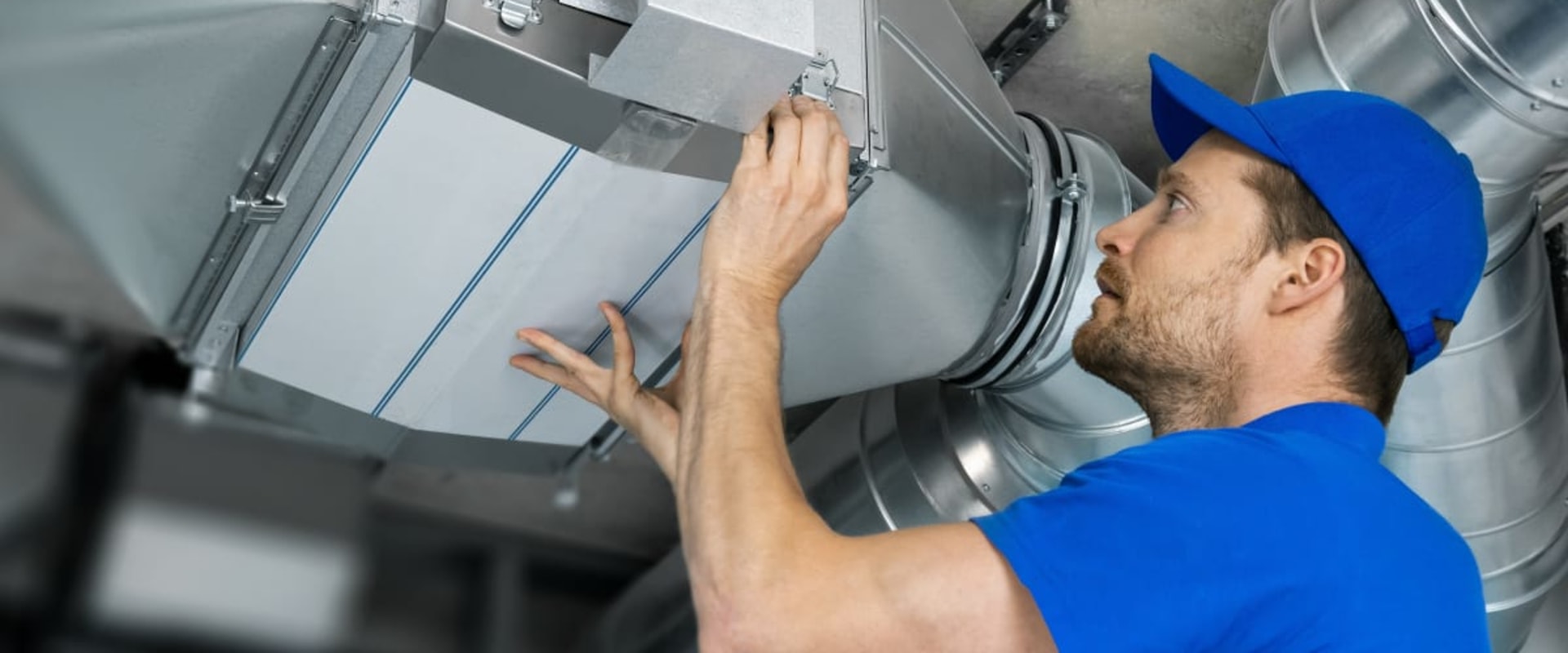
Installing an air purifier in your HVAC system is a crucial step towards enhancing indoor air quality. The installation process can vary based on the type of air purifier you choose and the specific configuration of your HVAC system.Here’s a detailed overview of what to expect during installation and how to maintain your air purifier for optimal performance.
Professional Installation
While some homeowners may consider a DIY approach, it is highly recommended to seek professional installation for your air purifier. HVAC professionals have the expertise to assess your system and recommend the best type of air purifier that fits your needs. They will also ensure that the unit is installed correctly within the ductwork, which is essential for maximizing its efficiency.- Assessment: A professional will evaluate your home’s layout, existing HVAC system, and specific air quality concerns.
- Selection: Based on the assessment, they will help you choose an air purifier that effectively targets pollutants relevant to your environment.
- Installation: The technician will install the air purifier in a manner that integrates seamlessly with your HVAC system, ensuring proper airflow and filtration.
Maintenance Tips
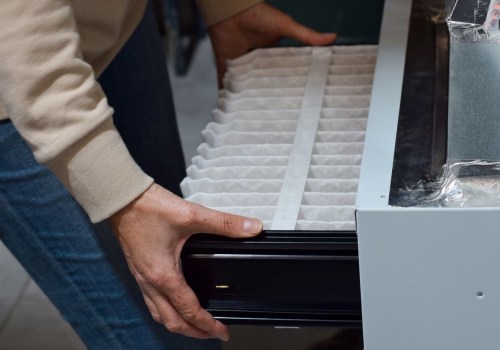
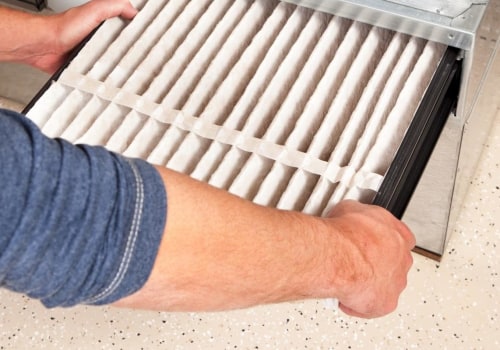
Once your air purifier is installed, regular maintenance is key to keeping it functioning effectively. Here are some essential maintenance tips:- Filter Replacement: Check and replace filters according to the manufacturer’s recommendations.
Clogged filters can hinder performance and reduce air quality.
- Regular Cleaning: Dust and debris can accumulate on the unit itself. Wipe down the exterior regularly with a damp cloth to keep it clean.
- System Checks: Schedule periodic inspections with an HVAC professional to ensure that both your air purifier and HVAC system are operating efficiently.
- Monitor Air Quality: Use an indoor air quality monitor to track improvements and identify any potential issues that may arise over time.
Cost Considerations: Are Air Purifiers Worth the Investment?
When considering the installation of an air purifier for home, one of the primary concerns is the associated costs. Understanding these costs is crucial for homeowners who want to improve their indoor air quality without breaking the bank.The investment in an air purifier can vary significantly based on several factors, including the type of system, installation requirements, and ongoing maintenance.First, let’s break down the initial costs:
- Type of Air Purifier: The price of air purifiers can range from a few hundred to several thousand dollars. Basic models may cost around $200, while advanced systems integrated into HVAC systems can exceed $1,000.
- Installation Costs: Professional installation is often recommended for HVAC-integrated air purifiers. This can add anywhere from $100 to $500 to your total cost, depending on your home’s layout and the complexity of the installation.
- Additional Features: Some air purifiers come with advanced features such as smart technology, which allows for remote monitoring and control. These features can increase the initial investment but may offer added convenience and efficiency.
- Health Benefits: Improved air quality can lead to fewer respiratory issues, reduced allergy symptoms, and overall better health.
This can translate into lower medical bills over time.
- Energy Efficiency: A well-maintained air purifier can enhance your HVAC system's efficiency by reducing strain on the system. This can lead to lower energy bills in the long run.
- Increased Home Value: Homes equipped with advanced air purification systems may have a higher resale value. Potential buyers are increasingly aware of indoor air quality issues and may be willing to pay more for homes that offer solutions.
Common Myths About Air Purifiers Debunked
When considering an air purifier for home, many potential buyers are often misled by common myths and misconceptions.Understanding the truth behind these myths is crucial for making informed decisions about improving indoor air quality. Here, we debunk some of the most prevalent myths surrounding air purifiers.
Myth 1: Air Purifiers Are Only Necessary for Allergies
While it's true that air purifiers can significantly benefit those with allergies, they are not exclusively for allergy sufferers. Indoor air can harbor a variety of pollutants, including dust, pet dander, mold spores, and volatile organic compounds (VOCs) from household products. An air purifier can help everyone breathe cleaner air, reducing the risk of respiratory issues and promoting overall health.Myth 2: All Air Purifiers Are the Same
This is a common misconception.Not all air purifiers are created equal; they vary in technology, filtration systems, and effectiveness. For instance, HEPA filters are known for their ability to capture small particles, while activated carbon filters excel at removing odors and gases. It's essential to choose an air purifier that suits your specific needs and the types of pollutants present in your home.
Myth 3: Air Purifiers Eliminate All Indoor Pollutants
While air purifiers are effective at reducing many airborne contaminants, they do not eliminate all pollutants. For example, they may not effectively remove larger particles or certain gases.To achieve optimal indoor air quality, it’s important to combine the use of an air purifier with regular cleaning and proper ventilation.
Myth 4: Using an Air Purifier Will Increase Energy Bills
Many people worry that running an air purifier will lead to higher energy costs. However, most modern air purifiers are designed to be energy-efficient. In fact, many models consume less energy than a standard light bulb. When selecting an air purifier, look for models with the ENERGY STAR label to ensure efficiency.Myth 5: You Only Need One Air Purifier for Your Entire Home
While one air purifier can improve air quality in a single room, it may not be sufficient for larger spaces or multiple rooms.For optimal results, consider placing additional units in high-traffic areas or bedrooms where you spend significant time. This targeted approach ensures cleaner air throughout your home.By debunking these myths about air purifiers, potential buyers can make more informed choices that enhance their indoor environment. Investing in a quality air purifier tailored to your specific needs can lead to significant improvements in your home's air quality and overall well-being.
Conclusion: Breathe Easier with Air Purifiers in Your HVAC System
In summary, the integration of an air purifier for home use within your HVAC system is not just a luxury; it is a necessity for maintaining a healthy indoor environment. As we have explored, the air quality inside our homes can often be more polluted than the air outside, posing significant health risks, particularly for individuals with allergies, asthma, or other respiratory issues.By installing an air purifier in your HVAC system, you are taking a proactive step towards enhancing your indoor air quality.These devices work effectively to filter out harmful particles such as dust, pollen, pet dander, and even volatile organic compounds (VOCs) that can accumulate in our living spaces. The result is cleaner air that promotes better health and well-being for you and your family.Moreover, the benefits of using an air purifier extend beyond just health improvements. They also contribute to a more comfortable living environment by reducing unpleasant odors and ensuring that the air circulating through your home is fresh and invigorating. This can lead to increased productivity and overall satisfaction in your living space.When considering the installation of an air purifier, it is essential to consult with an HVAC professional who can assess your specific needs and recommend the best solution tailored to your home.
This personalized approach ensures that you select an air purifier that not only fits seamlessly into your existing HVAC system but also maximizes its efficiency.Ultimately, investing in an air purifier for your home is a decision that pays dividends in terms of health benefits and improved quality of life. As we continue to spend more time indoors, ensuring that the air we breathe is clean and safe should be a top priority. Take action today by considering the installation of an air purifier in your HVAC system and breathe easier knowing you are safeguarding your family's health.