Indoor air quality (IAQ) is a critical aspect of our living environments that often goes unnoticed. While we may focus on outdoor pollution and its effects on health, the air we breathe inside our homes can be just as harmful, if not more so. In fact, studies have shown that indoor air can be significantly more polluted than outdoor air, primarily due to the accumulation of various contaminants. Understanding the importance of maintaining good indoor air quality is essential for promoting overall health and well-being.Common pollutants found in home air include dust mites, pet dander, mold spores, volatile organic compounds (VOCs), and even bacteria and viruses.
These irritants can trigger allergies, exacerbate asthma symptoms, and lead to other respiratory issues. For instance, VOCs are emitted from everyday household products such as paints, cleaning agents, and furniture, contributing to poor air quality. Additionally, inadequate ventilation can trap these pollutants indoors, creating a hazardous environment for occupants.Recognizing the significance of indoor air quality is the first step toward creating a healthier home. Poor IAQ not only affects physical health but can also impact mental well-being, leading to fatigue, headaches, and decreased productivity.
As we spend a substantial amount of time indoors—often up to 90%—it becomes imperative to take proactive measures to ensure that the air we breathe is clean and safe. This is where air purifiers come into play, serving as an effective solution to combat indoor pollutants and enhance overall air quality.
What is an Air Purifier?
An air purifier is a device designed to improve indoor air quality by removing contaminants from the air. These devices are particularly beneficial in homes where air pollution can stem from various sources, including dust, pet dander, smoke, and volatile organic compounds (VOCs) emitted from household products. Understanding how air purifiers function and the different types available can help you make an informed decision when selecting one for your home.At its core, an air purifier operates by drawing in air from the surrounding environment, filtering it through one or more specialized filters, and then releasing the purified air back into the room.This process not only reduces the concentration of harmful particles but also contributes to a healthier living space.
Types of Air Purifiers
- HEPA Air Purifiers: These are among the most popular types of air purifiers. HEPA (High-Efficiency Particulate Air) filters can capture 99.97% of particles as small as 0.3 microns, including allergens like pollen, dust mites, and pet dander.
- Activated Carbon Air Purifiers: These purifiers utilize activated carbon filters to absorb odors and chemical vapors. They are particularly effective at removing gases and VOCs that can be harmful to health.
- Ionic Air Purifiers: Ionic purifiers release charged ions into the air, which attach to airborne particles, causing them to clump together and fall to the ground. While they can reduce airborne pollutants, some models may produce ozone as a byproduct.
- UV-C Light Air Purifiers: These devices use ultraviolet light to kill bacteria and viruses in the air.
They are often used in conjunction with other filtration systems for enhanced effectiveness.
The Health Benefits of Using Air Purifiers
Air purifiers play a crucial role in enhancing indoor air quality, which directly impacts our health and well-being.For individuals suffering from allergies or respiratory conditions, the benefits of using an air purifier for home environments are particularly significant.One of the primary health benefits of air purifiers is their ability to reduce allergens in the air. Common allergens such as pollen, dust mites, and pet dander can trigger allergic reactions and exacerbate asthma symptoms. By utilizing a high-quality air purifier equipped with a HEPA filter, these particles can be effectively captured and removed from the air, leading to a noticeable decrease in allergy symptoms.Moreover, air purifiers are instrumental in improving respiratory health. Pollutants like smoke, mold spores, and volatile organic compounds (VOCs) can irritate the respiratory system and lead to chronic conditions.
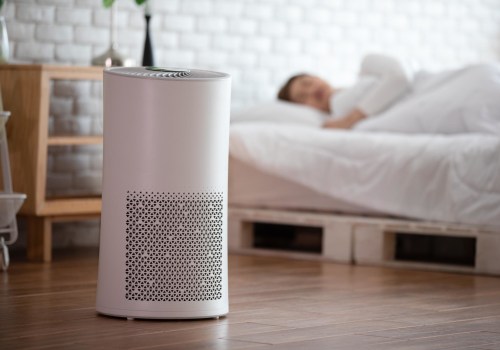
For individuals with asthma or chronic obstructive pulmonary disease (COPD), clean air is essential for maintaining lung function and overall health. Studies have shown that using an air purifier can significantly reduce the frequency of asthma attacks and improve lung function over time.In addition to alleviating allergy symptoms and supporting respiratory health, air purifiers can also contribute to better sleep quality. Poor air quality can lead to disrupted sleep patterns due to congestion or difficulty breathing at night. By ensuring that the air is free from irritants, an air purifier can create a more conducive environment for restful sleep.Furthermore, the psychological benefits of clean air should not be overlooked.
Breathing in fresh, purified air can enhance mood and cognitive function. Many users report feeling more energized and focused when their indoor environment is free from pollutants.In summary, the health benefits of using an air purifier for home extend beyond mere comfort; they are vital for individuals with allergies or respiratory issues. By investing in a quality air purifier, you are taking a significant step towards creating a healthier living space that promotes overall well-being.
Key Features to Look for in an Air Purifier
When selecting an air purifier for home, understanding the key features is essential to ensure you choose a model that effectively meets your indoor air quality needs. Here are some critical aspects to consider:Filter Types
- HEPA Filters: High-Efficiency Particulate Air (HEPA) filters are renowned for their ability to capture at least 99.97% of particles that are 0.3 microns in size.
This includes common allergens such as dust mites, pollen, and pet dander. When looking for an air purifier, ensure it is equipped with a true HEPA filter, as this guarantees optimal performance in trapping harmful particles.
- Activated Carbon Filters: These filters excel at removing odors and volatile organic compounds (VOCs) from the air. Activated carbon works through a process called adsorption, where pollutants adhere to the surface of the carbon material. This feature is particularly beneficial for households with pets or those who frequently cook indoors, as it helps eliminate unwanted smells and chemical vapors.
Air Changes Per Hour (ACH)
The effectiveness of an air purifier is also determined by its Air Changes Per Hour (ACH) rating.This metric indicates how many times the purifier can filter the entire volume of air in a room within one hour. For optimal air quality, look for a unit with an ACH rating of at least 4, meaning it can clean the air four times in an hour.
Clean Air Delivery Rate (CADR)
The Clean Air Delivery Rate (CADR) measures how quickly an air purifier can remove specific pollutants from the air. It is typically rated for three categories: smoke, dust, and pollen. A higher CADR score indicates better performance in filtering these contaminants.When comparing models, prioritize those with higher CADR ratings to ensure effective purification.
Noise Levels
Consider the noise level of the air purifier, especially if you plan to use it in a bedroom or quiet space. Many modern units come with a range of fan speeds, allowing you to adjust the noise level according to your preference. Look for models that operate quietly on lower settings while still providing effective filtration.Smart Features
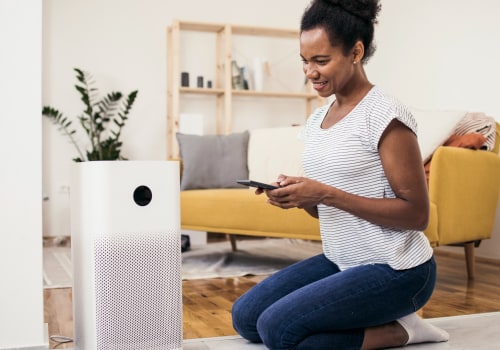
In today’s tech-savvy world, many air purifiers come equipped with smart features such as Wi-Fi connectivity and mobile app controls. These features allow you to monitor air quality levels in real-time and adjust settings remotely.Some models even offer automatic adjustments based on detected air quality, providing convenience and efficiency.By considering these key features when choosing an air purifier for home, you can ensure that you invest in a device that not only enhances your indoor air quality but also contributes positively to your overall health and well-being.
How Air Purifiers Improve Indoor Air Quality
Air purifiers play a crucial role in enhancing indoor air quality by employing various mechanisms to filter out harmful pollutants and allergens. Understanding how these devices work can help homeowners appreciate their value in creating a healthier living environment.At the core of an air purifier's functionality is its ability to draw in air from the surrounding environment. This process begins with a fan that pulls air into the unit, where it passes through one or more filtration systems designed to capture different types of contaminants.Filtration Processes
The most common type of filter found in air purifiers is the HEPA (High-Efficiency Particulate Air) filter. These filters are engineered to trap particles as small as 0.3 microns, which includes dust, pollen, pet dander, and even smoke.By effectively capturing these particles, HEPA filters significantly reduce the concentration of allergens in the air, making it easier for individuals with respiratory issues to breathe comfortably.In addition to HEPA filters, many air purifiers also incorporate activated carbon filters. These filters excel at adsorbing volatile organic compounds (VOCs), odors, and other gaseous pollutants. The combination of HEPA and activated carbon filtration ensures that both particulate matter and harmful gases are removed from the indoor air, leading to a comprehensive improvement in air quality.
Airflow Dynamics
The design of an air purifier also plays a vital role in its effectiveness. The airflow dynamics within the unit are engineered to maximize the amount of air processed while minimizing energy consumption.As air is drawn into the purifier, it is forced through the filters at high velocity, allowing for efficient contaminant capture. This continuous circulation of clean air not only enhances indoor air quality but also contributes to a more comfortable living space.Moreover, many modern air purifiers come equipped with smart technology that allows users to monitor air quality levels in real-time. This feature enables homeowners to adjust settings based on current pollution levels, ensuring optimal performance and efficiency.Ultimately, the benefits of clean air extend beyond mere comfort; improved indoor air quality can lead to better health outcomes. Reduced exposure to allergens and pollutants can alleviate symptoms for those suffering from asthma or allergies, enhance sleep quality, and even boost overall mood and productivity.In summary, air purifiers improve indoor air quality through advanced filtration processes and efficient airflow dynamics.
By investing in a high-quality air purifier for home, individuals can create a healthier living environment that supports their well-being.
Choosing the Right Air Purifier for Your Home
When it comes to selecting the best air purifier for home, understanding your specific needs and the unique conditions of your living space is essential. With a plethora of options available, making an informed choice can significantly enhance your indoor air quality.Before diving into the selection process, it’s wise to conduct a home air quality test. This assessment will help you identify the specific pollutants present in your environment, such as dust, pet dander, mold spores, or volatile organic compounds (VOCs). Many companies offer DIY testing kits that can provide insights into your indoor air quality.Alternatively, you can hire professionals who specialize in air quality assessments.Once you have a clear understanding of the pollutants in your home, you can begin to narrow down your options. Here are some key factors to consider:
- Filter Type: Look for air purifiers equipped with HEPA filters, as they are highly effective at capturing small particles. If you are concerned about odors or chemical pollutants, consider models that also include activated carbon filters.
- Room Size: Ensure that the air purifier is suitable for the size of the room where it will be used. Most manufacturers provide a recommended room size on their product specifications.
Choosing a unit that matches or exceeds this recommendation will ensure optimal performance.
- Noise Level: If you plan to use the air purifier in a bedroom or office, consider its noise level. Some models operate quietly while others may produce noticeable sound. Look for units with a low decibel rating if noise is a concern.
- Maintenance and Filter Replacement: Check how often filters need to be replaced and the associated costs. Some models have washable filters that can save money over time, while others may require frequent replacements.
- Energy Efficiency: Look for energy-efficient models that have the ENERGY STAR label.
These units consume less power while still providing effective air purification.
Common Misconceptions About Air Purifiers
When it comes to air purifiers for home, there are numerous myths and misconceptions that can cloud a consumer's judgment. Understanding these misconceptions is crucial for making informed decisions about indoor air quality and the effectiveness of these devices.Myth 1: Air Purifiers Eliminate All Indoor Pollutants
One common misconception is that air purifiers can completely eliminate all indoor pollutants.
While they are effective at reducing many contaminants, such as dust, pollen, and pet dander, they cannot remove everything. For instance, air purifiers are not designed to eliminate larger particles or those that settle on surfaces. Regular cleaning and maintenance of your home are still necessary to achieve optimal air quality.
Myth 2: All Air Purifiers Are the Same
Another prevalent myth is that all air purifiers function similarly. In reality, there are various types of air purifiers, each utilizing different technologies.
For example, HEPA filters are known for their ability to capture small particles, while activated carbon filters excel at removing odors and chemical vapors. Understanding the specific needs of your home can help you choose the right type of air purifier.
Myth 3: Air Purifiers Are Only Necessary for Allergies
Many people believe that air purifiers are only beneficial for those with allergies or asthma. However, indoor air quality affects everyone. Pollutants such as volatile organic compounds (VOCs), smoke, and even bacteria can impact health in various ways, including fatigue and headaches.
Investing in an air purifier can enhance overall well-being for all household members.
Myth 4: Running an Air Purifier Is Expensive
Some individuals hesitate to purchase an air purifier due to perceived high costs. While there is an initial investment, many modern air purifiers are energy-efficient and have low operating costs. Additionally, the health benefits gained from improved indoor air quality can outweigh the financial investment over time.
Myth 5: Air Purifiers Can Replace Ventilation
A significant misconception is that air purifiers can serve as a substitute for proper ventilation. While they do help improve indoor air quality by filtering out pollutants, they cannot replace the need for fresh outdoor air circulation.
Adequate ventilation is essential for maintaining a healthy indoor environment.By debunking these myths surrounding air purifiers for home, consumers can make more informed choices about their indoor air quality solutions. Understanding the facts about how these devices work and their limitations will empower individuals to create healthier living spaces.
Complementary Strategies for Enhancing Indoor Air Quality
While an air purifier for home is a powerful tool for enhancing indoor air quality, it is essential to adopt a holistic approach that includes various complementary strategies. These methods can significantly improve the air you breathe and create a healthier living environment.The Importance of Proper Ventilation
Ventilation plays a crucial role in maintaining good indoor air quality. It involves the exchange of indoor air with outdoor air, which helps to dilute and remove indoor pollutants.Here are some effective ventilation tips:
- Open Windows: Whenever weather permits, open windows to allow fresh air to circulate. This simple act can significantly reduce indoor pollutant levels.
- Use Exhaust Fans: Install exhaust fans in areas like kitchens and bathrooms to expel moisture and odors, preventing the buildup of harmful substances.
- Consider Mechanical Ventilation: For homes with limited natural ventilation, mechanical systems such as heat recovery ventilators (HRVs) can provide controlled airflow while minimizing energy loss.
Utilizing Dehumidifiers
Excess humidity can lead to mold growth and dust mites, both of which can negatively impact indoor air quality. A dehumidifier can help maintain optimal humidity levels (ideally between 30% and 50%). Here’s how:- Prevent Mold Growth: By reducing humidity, dehumidifiers help prevent mold spores from thriving in damp areas like basements and bathrooms.
- Improve Comfort: Lower humidity levels can make your home feel cooler and more comfortable, especially during hot summer months.
- Protect Your Home: Dehumidifiers can also protect your home’s structure and furnishings from moisture damage.
Regular Cleaning Practices
A clean home is essential for maintaining good air quality.Regular cleaning helps eliminate dust, pet dander, and other allergens. Consider these practices:
- Vacuum Frequently: Use a vacuum cleaner equipped with a HEPA filter to trap fine particles effectively.
- Dust Surfaces: Use damp cloths to dust surfaces, which prevents particles from becoming airborne.
- Wash Bedding Regularly: Wash sheets and pillowcases in hot water weekly to reduce allergens.
Frequently Asked Questions About Air Purifiers
When considering an air purifier for home, many individuals have questions regarding their functionality, maintenance, and effectiveness. Below are some of the most frequently asked questions about air purifiers, along with detailed answers to help clarify common concerns.What is an air purifier and how does it work?
An air purifier is a device designed to remove contaminants from the air in a room.It works by drawing in air through filters that capture pollutants such as dust, pollen, smoke, and pet dander. The purified air is then recirculated back into the room, significantly improving indoor air quality.
How often should I replace the filters in my air purifier?
The frequency of filter replacement depends on the type of filter and the usage of the air purifier. Generally, HEPA filters should be replaced every 6 to 12 months, while activated carbon filters may need replacement every 3 to 6 months. Always refer to the manufacturer’s guidelines for specific recommendations.Can air purifiers help with allergies?
Yes, air purifiers can be highly effective for individuals suffering from allergies.By removing allergens such as pollen, mold spores, and pet dander from the air, these devices can help reduce allergy symptoms and create a more comfortable living environment.
Do I need an air purifier if I have central heating and cooling?
While central heating and cooling systems can help circulate air, they may not effectively filter out all pollutants. An air purifier for home use can provide additional filtration, especially in rooms where allergens are prevalent or where individuals with respiratory issues spend a lot of time.What size air purifier do I need for my room?
The size of the air purifier you need depends on the square footage of the room you intend to use it in. Most manufacturers provide a recommended coverage area on their product specifications. It’s essential to choose a model that can handle the size of your space for optimal performance.Are there any maintenance tips for keeping my air purifier running efficiently?
- Regularly check filters: Monitor filter status and replace them as needed to maintain efficiency.
- Keep the unit clean: Wipe down the exterior and ensure that vents are free from dust and obstructions.
- Avoid overloading: Do not run your air purifier in areas with excessive dust or dirt without regular maintenance.
What should I do if my air purifier is not working properly?
If your air purifier is not functioning as expected, first check if it is plugged in and turned on.Ensure that filters are clean and properly installed. If problems persist, consult the user manual for troubleshooting tips or contact customer support for assistance.By addressing these common questions about air purifiers, you can make informed decisions about improving your indoor air quality and ensuring a healthier living environment.
Conclusion: The Impact of Air Purifiers on Your Home Environment
In conclusion, the significance of air purifiers for home environments cannot be overstated. As we have explored throughout this article, these devices play a crucial role in enhancing indoor air quality, which is essential for the health and well-being of all household members. By effectively removing harmful pollutants such as dust, allergens, and volatile organic compounds (VOCs), air purifiers contribute to a cleaner and safer living space.Moreover, the use of advanced filtration systems, particularly HEPA and activated carbon filters, ensures that both particulate matter and gaseous contaminants are efficiently captured.This dual-action approach not only alleviates symptoms for those suffering from allergies or asthma but also promotes overall respiratory health. The calming white noise produced by many air purifiers can further enhance comfort, making them a valuable addition to any room.It is important to remember that while air purifiers are effective tools for improving indoor air quality, they should not be viewed as a standalone solution. Proper ventilation and regular cleaning practices are equally vital in maintaining a healthy home environment. By combining these strategies with the use of an air purifier, you can significantly reduce the presence of indoor pollutants.As you consider investing in an air purifier for your home, take the time to assess your specific needs and the types of pollutants present in your environment.
Conducting an air quality test can provide valuable insights that will guide your choice of purifier. Whether you opt for a portable model or a more comprehensive system, ensuring that it meets the necessary certifications will help you achieve optimal results.Ultimately, prioritizing indoor air quality through the use of air purifiers not only enhances your living conditions but also fosters a healthier lifestyle for you and your family. By taking proactive steps to improve the air you breathe, you are investing in long-term health benefits that can lead to improved quality of life.