In an age where indoor air quality is becoming increasingly important, understanding air purifiers is essential for anyone looking to create a healthier home environment. An air purifier is a device designed to remove contaminants from the air in a room, making it cleaner and safer to breathe. These devices are particularly beneficial for individuals suffering from allergies, asthma, or other respiratory conditions, as they can significantly reduce airborne pollutants such as dust, pollen, pet dander, and smoke.At the core of an air purifier's functionality lies its technology. Most air purifiers utilize a combination of filters and advanced purification methods to capture and neutralize harmful particles.
The most common type of filter found in these devices is the HEPA (High-Efficiency Particulate Air) filter, which is capable of trapping 99.97% of particles that are 0.3 microns in size. This includes not only larger allergens but also smaller particles like bacteria and some viruses. Additionally, many modern air purifiers incorporate activated carbon filters that excel at absorbing odors and volatile organic compounds (VOCs), further enhancing the quality of indoor air.Understanding how these technologies work can help you make informed decisions when selecting an air purifier for home use. For instance, some models employ UV-C light technology to kill germs and bacteria, while others may use ionization to charge particles, causing them to clump together and fall out of the air.
Each technology has its own set of advantages and limitations, making it crucial to assess your specific needs before investing in an air purifier.As we delve deeper into the world of air purifiers throughout this article, we will explore their effectiveness in various scenarios, debunk common myths surrounding their use, and provide guidance on choosing the right model for your home. By understanding the science behind these devices, you can better appreciate their role in promoting a healthier living space.
The Benefits of Using an Air Purifier in Your Home
Investing in an air purifier for home use can yield numerous benefits, particularly in enhancing indoor air quality and promoting better health. As we spend a significant amount of time indoors, the quality of the air we breathe directly impacts our well-being. Here are some key advantages of using an air purifier:- Reduction of Allergens: Air purifiers are highly effective at capturing common allergens such as pollen, dust mites, pet dander, and mold spores.
For individuals suffering from allergies or asthma, these devices can significantly reduce triggers in the home environment, leading to fewer allergy attacks and respiratory issues.
- Removal of Harmful Pollutants: Indoor air can be contaminated with various pollutants, including volatile organic compounds (VOCs) emitted from household products, smoke, and other harmful particles. A quality air purifier equipped with a HEPA filter can trap these pollutants, ensuring cleaner air for you and your family.
- Improved Respiratory Health: By filtering out harmful particles and allergens, air purifiers contribute to better respiratory health. This is especially beneficial for children, the elderly, and those with pre-existing health conditions. Cleaner air can lead to improved lung function and reduced symptoms of respiratory diseases.
- Odor Elimination: Many air purifiers come with activated carbon filters that effectively absorb unpleasant odors from cooking, pets, or smoke.
This feature not only enhances the freshness of your home but also creates a more pleasant living environment.
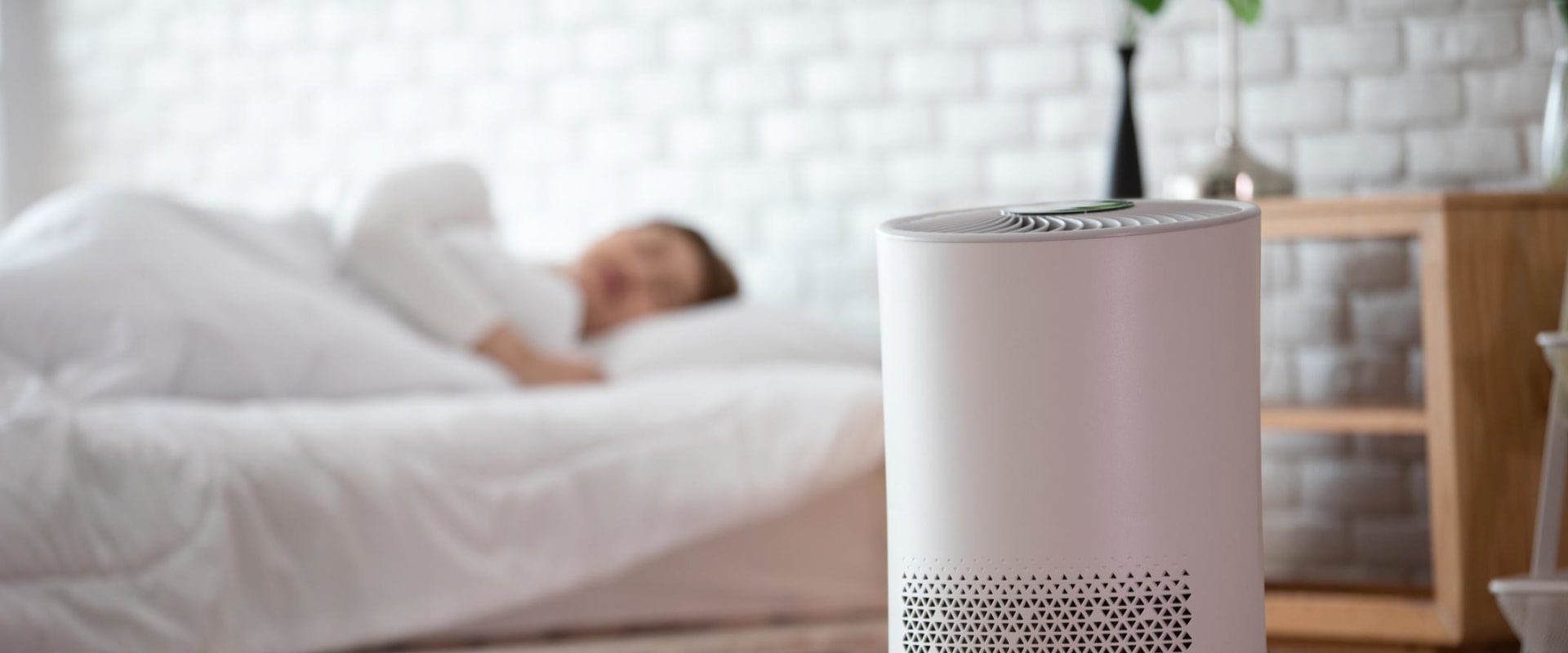
- Enhanced Sleep Quality: Poor air quality can disrupt sleep patterns. By using an air purifier in the bedroom, you can create a more conducive sleeping environment by reducing allergens and irritants that may cause nighttime disturbances.
Common Myths About Air Purifiers: Debunking Misconceptions
When it comes to air purifiers for home, numerous myths and misconceptions can cloud the judgment of potential buyers.Understanding the truth behind these myths is essential for making informed decisions about indoor air quality.
Myth 1: Air Purifiers Can Eliminate All Airborne Pollutants
One common misconception is that air purifiers can completely eliminate all types of airborne pollutants. While these devices are effective at reducing certain contaminants, such as dust, pollen, and pet dander, they are not a cure-all. For instance, some air purifiers may struggle with volatile organic compounds (VOCs) or gases emitted from household products. Therefore, it’s crucial to choose an air purifier designed for your specific needs.
Myth 2: Air Purifiers Are Only Necessary During Allergy Season
Many people believe that air purifiers are only beneficial during allergy season.
However, indoor air quality can be compromised year-round due to various factors like cooking, cleaning products, and even furniture off-gassing. Investing in an air purifier can provide continuous benefits by maintaining cleaner air throughout the year.
Myth 3: All Air Purifiers Are the Same
Another prevalent myth is that all air purifiers function similarly. In reality, there are various types of air purifiers, including HEPA filters, activated carbon filters, and UV light purifiers. Each type has its strengths and weaknesses.
For example, HEPA filters are excellent for trapping small particles but may not effectively remove odors or gases. Understanding these differences can help you select the right model for your home.
Myth 4: Air Purifiers Can Replace Good Ventilation
Some individuals mistakenly believe that using an air purifier can substitute for proper ventilation. While air purifiers can enhance indoor air quality, they do not replace the need for fresh outdoor air circulation. Proper ventilation helps reduce humidity levels and prevents mold growth, which is essential for a healthy living environment.
Myth 5: Air Purifiers Are Too Noisy
Noise levels are often a concern for potential buyers.
While older models may have been noisy, many modern air purifiers operate quietly, making them suitable for bedrooms and living areas. When shopping for an air purifier, look for models with noise ratings that fit your comfort level.By debunking these myths surrounding air purifiers, consumers can make more informed choices about improving their home’s air quality. Understanding what these devices can and cannot do is vital in maximizing their benefits and ensuring a healthier living environment.
Choosing the Right Air Purifier for Your Home
When it comes to selecting the right air purifier for home, understanding your specific needs is crucial. With a plethora of options available, making an informed choice can significantly enhance your indoor air quality.Here are some key factors to consider:
- Room Size: The first step in choosing an air purifier is to assess the size of the room where it will be used. Air purifiers are rated for specific square footage, so ensure that the model you select can effectively cover the area. For larger spaces, consider units with higher Clean Air Delivery Rate (CADR) ratings.
- Filter Types: Different air purifiers utilize various filtration technologies. The most common include:
- HEPA Filters: These are highly effective at trapping small particles, including dust, pollen, and pet dander.
Look for true HEPA filters that meet the standards set by the U. S. Department of Energy.
- Activated Carbon Filters: Ideal for removing odors and gases, these filters are essential if you’re dealing with smoke or strong smells.
- UV-C Light: Some purifiers incorporate UV-C light technology to kill bacteria and viruses, providing an additional layer of protection.
- HEPA Filters: These are highly effective at trapping small particles, including dust, pollen, and pet dander.
- Specific Pollutants: Identify the pollutants you want to target. If you suffer from allergies, a model with a HEPA filter is essential.
For homes with smokers or pets, consider units with activated carbon filters to combat odors.
- Noise Level: Depending on where you plan to use the air purifier, noise can be a significant factor. Look for models that operate quietly, especially if you intend to use them in bedrooms or offices.
- Maintenance Costs: Factor in the cost of replacement filters and maintenance when choosing an air purifier. Some models may have lower upfront costs but require frequent filter changes, which can add up over time.
- Add-On Features: Many modern air purifiers come equipped with additional features such as air quality sensors, smart connectivity, and programmable timers. While these features can enhance usability, assess whether they align with your needs and budget.
By considering room size, filter types, and maintenance costs, you can find an effective solution that improves your home’s air quality and contributes to a healthier living environment.
Air Purifier Technologies Explained: HEPA, Activated Carbon, and More
When it comes to choosing an air purifier for home, understanding the various technologies available is crucial for making an informed decision. Two of the most prominent technologies are HEPA filters and activated carbon filters, each serving distinct purposes in improving indoor air quality.HEPA Filters
HEPA, or High-Efficiency Particulate Air, filters are renowned for their ability to capture a wide range of airborne particles. To qualify as a true HEPA filter, it must meet specific standards set by the U. Department of Energy, which stipulate that it can trap at least 99.97% of particles that are 0.3 microns in diameter.This includes:
- Pollen
- Dust mites
- Mold spores
- Pet dander
- Some bacteria and viruses
Activated Carbon Filters
While HEPA filters excel at capturing solid particles, activated carbon filters are designed to tackle gases and odors. These filters contain activated carbon, which has been treated to create a vast network of tiny pores that can adsorb volatile organic compounds (VOCs), smoke, and other gaseous pollutants. Key benefits of activated carbon filters include:- Reduction of unpleasant odors from cooking, pets, and smoke
- Absorption of harmful chemicals such as formaldehyde and benzene
- Improvement of overall indoor air freshness
This dual-action approach ensures that both particulate matter and gaseous pollutants are effectively removed from your home environment.
Other Technologies
In addition to HEPA and activated carbon filters, there are other technologies worth considering:- Ionic Filters: These use charged ions to attract and trap particles but may produce ozone as a byproduct.
- UV-C Light: This technology uses ultraviolet light to kill bacteria and viruses but is often used in conjunction with other filtration methods.
- Photocatalytic Oxidation: This process breaks down pollutants at a molecular level using light and a catalyst.
The Role of Air Purifiers in Combating Indoor Pollutants
Indoor air quality is a critical aspect of our overall health and well-being, yet many people are unaware of the various indoor pollutants that can compromise it. Common sources of indoor pollution include household products, building materials, and even our daily activities. Understanding these pollutants and how air purifiers can help mitigate their effects is essential for creating a healthier living environment.Some of the most prevalent indoor pollutants include:- Volatile Organic Compounds (VOCs): These are emitted from paints, cleaning supplies, and other household products. VOCs can cause headaches, dizziness, and long-term health issues.
- Particulate Matter (PM): This includes dust, pollen, and pet dander.
These tiny particles can trigger allergies and respiratory problems.
- Mold Spores: Mold thrives in damp environments and can lead to serious health issues, particularly for those with asthma or weakened immune systems.
- Carbon Monoxide: This colorless, odorless gas can be produced by gas stoves, heaters, and fireplaces. High levels of carbon monoxide can be fatal.
- Formaldehyde: Often found in furniture and building materials, formaldehyde exposure can lead to irritation of the eyes, nose, and throat.
- HEPA Filters: Many air purifiers are equipped with HEPA (High-Efficiency Particulate Air) filters that can capture 99.97% of particles as small as 0.3 microns.
This includes dust mites, pollen, and pet dander.
- Activated Carbon Filters: These filters are effective at absorbing VOCs and odors from the air, making them ideal for homes with strong smells or chemical emissions.
- Mold Reduction: By maintaining lower humidity levels and filtering out mold spores, air purifiers can help prevent mold growth in your home.
- Improved Respiratory Health: Cleaner air leads to fewer respiratory issues. For individuals with asthma or allergies, using an air purifier can significantly reduce symptoms.
Cost Considerations: Are Air Purifiers Worth the Investment?
When considering whether to invest in an air purifier for home, one of the most significant factors to evaluate is the cost. The initial purchase price can vary widely, ranging from budget-friendly models to high-end units equipped with advanced features.However, understanding the long-term financial implications is crucial for making an informed decision.Initially, you might be tempted to opt for a cheaper air purifier, but it’s essential to consider the overall value it provides. Many low-cost models may not effectively filter out harmful particles or may require frequent filter replacements, which can lead to higher long-term costs. In contrast, investing in a quality air purifier with a durable HEPA filter can save you money over time by reducing the need for replacements and maintenance.Here are some key cost considerations when evaluating air purifiers:
- Initial Purchase Price: The upfront cost of an air purifier can range from $50 to over $1,000. While it’s tempting to choose the least expensive option, consider the features and effectiveness of the unit.
- Filter Replacement Costs: Most air purifiers require filter changes every 6 to 12 months.
Check the price and availability of replacement filters before purchasing. Some models may have lower initial costs but higher ongoing expenses due to frequent filter changes.
- Energy Consumption: Air purifiers consume electricity, and their energy efficiency can impact your utility bills. Look for models that are Energy Star certified, as they tend to use less power without sacrificing performance.
- Health Savings: Investing in an air purifier can lead to long-term health benefits, particularly for individuals with allergies or respiratory issues. Improved air quality can reduce medical expenses related to these conditions over time.
- Increased Home Value: A well-maintained home with good air quality can be more appealing to potential buyers.
An air purifier may enhance your home’s marketability, potentially increasing its value.
Maintaining Your Air Purifier: Tips for Optimal Performance
To ensure your air purifier for home operates at peak efficiency, regular maintenance is essential. Proper care not only extends the lifespan of your device but also maximizes its ability to improve indoor air quality.Here are some practical tips to help you maintain your air purifier effectively:
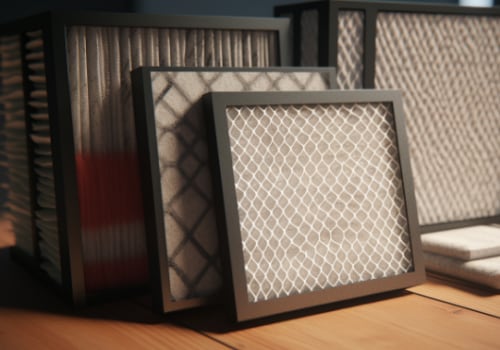
- Regular Filter Checks: The filter is the heart of your air purifier. Depending on the model and usage, check the filter every month. If it appears dirty or clogged, it’s time for a replacement. Most manufacturers recommend changing HEPA filters every 6 to 12 months, but this can vary based on air quality and usage.
- Clean Pre-Filters: Many air purifiers come with pre-filters that capture larger particles before they reach the main filter.
These can often be washed or vacuumed. Cleaning them regularly can enhance airflow and prolong the life of your HEPA filter.
- Monitor Air Quality: Some advanced models have built-in air quality sensors that indicate when the air is clean or when it needs more purification. Pay attention to these indicators to know when to adjust settings or replace filters.
- Keep the Surrounding Area Clean: Dust and debris around your air purifier can hinder its performance. Ensure that the area around the unit is free from obstructions and regularly dust the surfaces nearby.
- Avoid Overuse: While it may be tempting to run your air purifier continuously, consider using it in specific rooms or during peak pollution times.
This not only saves energy but also reduces wear and tear on the unit.
- Follow Manufacturer Guidelines: Each air purifier model has specific maintenance requirements. Always refer to the user manual for detailed instructions on filter replacement schedules and cleaning procedures.
Frequently Asked Questions About Air Purifiers
When considering an air purifier for home, many potential buyers have questions about their functionality, maintenance, and effectiveness. Below are some of the most frequently asked questions regarding air purifiers, along with clear and concise answers to help you make an informed decision.1.How do air purifiers work?
Air purifiers typically use a combination of filters and technologies to remove pollutants from the air.The most common type is the HEPA filter, which captures particles as small as 0.3 microns, including dust, pollen, and pet dander. Some models also incorporate activated carbon filters to absorb odors and gases, while others may use UV light or ionization to neutralize airborne pathogens.
2.Do air purifiers really improve indoor air quality?
Yes, air purifiers can significantly enhance indoor air quality by reducing the concentration of allergens, dust, smoke, and other harmful particles. This is particularly beneficial for individuals with allergies or respiratory conditions such as asthma. However, it’s important to choose a model that suits your specific needs and the size of your space.3.How often should I replace the filters?
The frequency of filter replacement depends on the type of filter and how often the air purifier is used.Generally, HEPA filters should be replaced every 6 to 12 months, while activated carbon filters may need replacement every 3 to 6 months. Always refer to the manufacturer’s guidelines for specific recommendations.
4.Can I run my air purifier all day?
Most air purifiers are designed for continuous operation and can be run all day without any issues. In fact, running your air purifier consistently can help maintain optimal air quality in your home. However, consider energy consumption and noise levels when choosing a model.5.What should I do if my air purifier stops working?
If your air purifier ceases to function properly, first check the power source and ensure it is plugged in.If it still doesn’t work, inspect the filters; clogged filters can impede performance. If problems persist, consult the user manual for troubleshooting tips or contact customer support for assistance.
6.Are there any health risks associated with using an air purifier?
While most modern air purifiers are safe to use, some models that produce ozone can pose health risks. Ozone can irritate the lungs and exacerbate respiratory issues. It’s crucial to select an air purifier that does not emit ozone or has been certified as safe by relevant health organizations.By addressing these common questions about air purifiers, you can better understand their benefits and limitations, ensuring you make a well-informed choice for improving your home’s air quality.Conclusion: Making Informed Decisions About Air Purifiers for Your Home
In conclusion, the decision to invest in an air purifier for home use is not one to be taken lightly.Throughout this article, we have explored various aspects of air purifiers, including their effectiveness, the technology behind them, and their role in improving indoor air quality. It is essential to weigh both the benefits and limitations of these devices to make an informed choice that aligns with your specific needs.One of the primary advantages of air purifiers is their ability to reduce airborne pollutants, which can significantly enhance the quality of the air you breathe. This is particularly beneficial for individuals suffering from respiratory conditions such as asthma or allergies. By filtering out dust, pollen, pet dander, and other allergens, air purifiers can create a healthier living environment.However, it is crucial to recognize that air purifiers are not a panacea.
They should not be viewed as a substitute for other essential health measures, especially in light of ongoing public health concerns like COVID-19. While they can help reduce viral particles in the air, they are most effective when used in conjunction with practices such as wearing masks and maintaining social distancing.When selecting an air purifier, consider factors such as:
- Room Size: Ensure the purifier is suitable for the size of the room where it will be used.
- Filter Type: Look for models with authentic HEPA filters that can trap small particles effectively.
- Maintenance Costs: Factor in the cost of filter replacements and energy consumption over time.
- Ozone Emissions: Choose models that do not emit ozone, as this can be harmful to health.