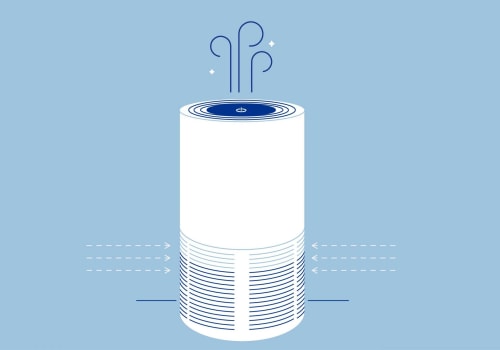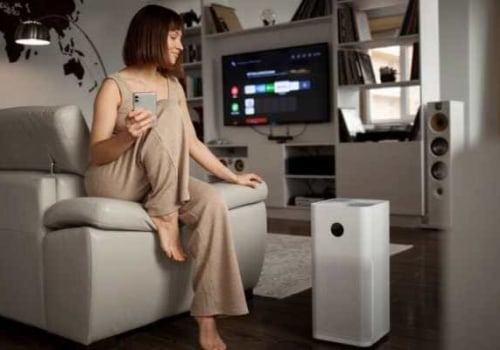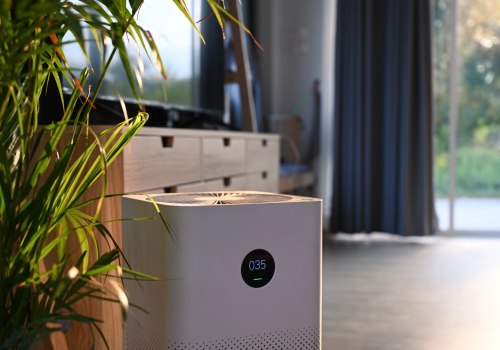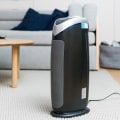
In today’s world, where urbanization and industrialization have significantly impacted air quality, understanding the role of an air purifier for home use has become increasingly important. An air purifier is a device designed to remove contaminants from the air in a room, thereby improving indoor air quality. These devices are particularly beneficial for individuals who suffer from allergies, asthma, or other respiratory conditions, as they can effectively filter out harmful particles such as dust, pollen, pet dander, and smoke.So, how do air purifiers work? Most models utilize a combination of filters and technologies to capture and neutralize airborne pollutants. The most common type is the HEPA (High-Efficiency Particulate Air) filter, which can trap particles as small as 0.3 microns with an efficiency of 99.97%.
Additionally, many air purifiers incorporate activated carbon filters that absorb odors and volatile organic compounds (VOCs), enhancing the overall air quality. Some advanced models even use UV light or ionization to eliminate bacteria and viruses, providing an extra layer of protection against harmful microorganisms.The benefits of using an air purifier extend beyond just cleaner air; they can also contribute to better sleep quality. By reducing allergens and irritants in your sleeping environment, an air purifier can help you breathe easier at night, leading to more restful sleep. Furthermore, many modern air purifiers operate quietly and have features like sleep modes that minimize noise while still effectively filtering the air.
This creates a serene atmosphere conducive to relaxation and rejuvenation.As we delve deeper into the advantages of sleeping with an air purifier, it’s essential to recognize that these devices not only enhance comfort but also promote overall health and well-being. With the right knowledge about their functionality and benefits, you can make informed decisions about incorporating an air purifier for home use into your nightly routine.
The Importance of Indoor Air Quality
Indoor air quality (IAQ) is a critical aspect of our living environment that often goes unnoticed. Many people spend a significant portion of their day indoors, whether at home, in the office, or in other enclosed spaces. Unfortunately, the air inside these environments can be more polluted than outdoor air, leading to various health issues.Understanding the importance of indoor air quality is essential for maintaining a healthy lifestyle.One of the primary concerns regarding poor indoor air quality is the presence of pollutants such as dust, mold spores, pet dander, and volatile organic compounds (VOCs). These contaminants can originate from various sources, including household cleaning products, building materials, and even furniture. When inhaled over time, these pollutants can lead to a range of health problems.
Health Risks Associated with Poor Indoor Air Quality
The effects of poor air quality can manifest in numerous ways. Short-term exposure may result in symptoms such as:- Allergies: Increased levels of allergens can trigger allergic reactions, leading to sneezing, runny noses, and itchy eyes.
- Respiratory Issues: Individuals with asthma or other respiratory conditions may experience exacerbated symptoms due to airborne irritants.
- Fatigue: Poor air quality can contribute to feelings of tiredness and lethargy.
Chronic respiratory diseases, cardiovascular problems, and even certain cancers have been linked to prolonged inhalation of contaminated air. Vulnerable populations such as children, the elderly, and those with pre-existing health conditions are particularly at risk.
The Role of Air Purifiers
This is where air purifiers for home use come into play. These devices are designed to filter out harmful particles from the air, significantly improving indoor air quality. By removing allergens and pollutants, air purifiers help create a healthier living environment.They work by utilizing various filtration technologies such as HEPA filters, activated carbon filters, and UV light systems to capture and neutralize contaminants.Incorporating an air purifier into your home not only enhances your comfort but also contributes to your overall well-being. As you sleep with an air purifier running nearby, you can rest assured that you are breathing cleaner air free from harmful pollutants. This proactive approach to managing indoor air quality is essential for safeguarding your health and ensuring a better quality of life.
How Air Purifiers Improve Sleep Quality
Using an air purifier for home can significantly enhance your sleep quality by creating a healthier sleeping environment. One of the primary benefits is improved breathing.During sleep, our bodies undergo various restorative processes, and clean air is essential for optimal function. An air purifier effectively removes airborne pollutants such as dust, pet dander, and smoke particles, allowing you to breathe easier throughout the night.Moreover, many individuals suffer from allergies that can disrupt sleep. Common allergens like pollen and mold spores can infiltrate your home, especially during certain seasons. By running an air purifier while you sleep, you can significantly reduce these allergens in your bedroom.
This reduction not only helps alleviate allergy symptoms but also minimizes nighttime awakenings caused by sneezing or coughing.Another aspect to consider is the impact of indoor air quality on overall health. Poor air quality can lead to various health issues, including respiratory problems and sleep disturbances. An air purifier helps maintain a consistent level of clean air, which can contribute to a more restful night’s sleep. When your body is not working hard to filter out harmful particles, it can focus on recovery and rejuvenation.Additionally, many modern air purifiers operate quietly, making them ideal for nighttime use.
The gentle hum of an air purifier can even serve as white noise, which some people find soothing and conducive to sleep. This background noise can mask other disruptive sounds from outside or within the home, further enhancing your ability to fall asleep and stay asleep.In summary, incorporating an air purifier for home use during sleep offers numerous benefits: improved breathing, reduced allergens, enhanced indoor air quality, and even a calming background noise. By investing in an air purifier, you are not just improving the air you breathe; you are also taking significant steps toward achieving better sleep quality and overall well-being.
Choosing the Right Air Purifier for Your Bedroom
When it comes to enhancing your sleep environment, selecting the right air purifier for your bedroom is crucial. With a plethora of options available, understanding the key features and specifications can help you make an informed decision that aligns with your needs.Key Features to Consider
- Filtration Technology: Look for air purifiers equipped with HEPA filters, as they are designed to capture 99.97% of particles as small as 0.3 microns.
This includes dust, pollen, pet dander, and even some bacteria and viruses. Some models also feature activated carbon filters that effectively reduce odors and volatile organic compounds (VOCs).
- Room Size Compatibility: It’s essential to choose an air purifier that is appropriately sized for your bedroom. Check the Clean Air Delivery Rate (CADR) rating, which indicates how quickly the unit can filter the air in a given space. For a standard bedroom of about 150 square feet, a CADR of at least 100 is recommended.
- Noise Level: Since you’ll be using the air purifier while you sleep, consider its noise level.
Many modern units come with a "sleep mode" that operates quietly, typically below 30 decibels, ensuring minimal disruption during the night.
- Energy Efficiency: Look for models that are Energy Star certified to ensure they consume less electricity while providing effective air purification. This not only saves on energy bills but also contributes to environmental sustainability.
- Smart Features: Some air purifiers come with smart technology that allows you to control them via smartphone apps or voice commands. Features like air quality sensors and automatic adjustments based on real-time data can enhance convenience and efficiency.
Best Air Purifiers for Bedrooms
While there are numerous options on the market, a few models consistently receive high ratings for their performance in bedroom settings:- Dyson Pure Cool Link: This model not only purifies the air but also functions as a fan. Its sleek design and quiet operation make it ideal for bedrooms.
- Honeywell HPA300: Known for its powerful filtration capabilities, this unit is suitable for larger rooms and operates quietly at night.
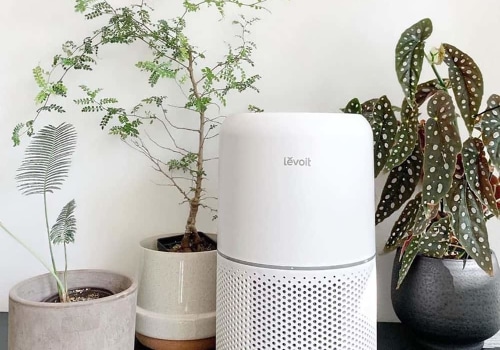
- Levoit Core 300: A compact option perfect for smaller bedrooms, it features a three-stage filtration system and operates at a whisper-quiet level.
By considering factors such as filtration technology, room size compatibility, noise levels, energy efficiency, and smart features, you can find an air purifier that meets your specific needs and enhances your overall well-being.
Placement Tips for Optimal Performance
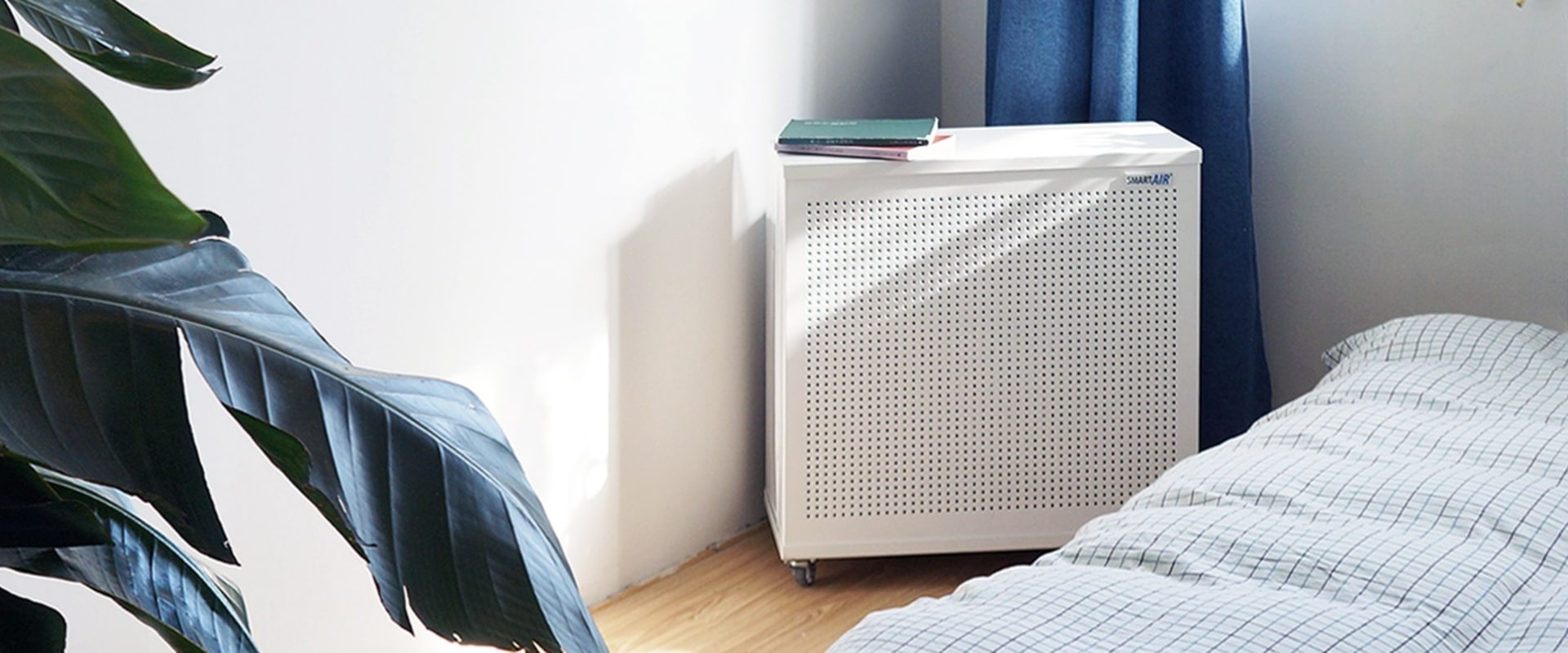
When it comes to maximizing the effectiveness of your air purifier for home, the placement of the unit in your bedroom is crucial. Proper positioning not only enhances air quality but also minimizes any potential disturbances during your sleep. Here are some practical tips to help you find the best spot for your air purifier:- Distance from the Bed: Ideally, place your air purifier within 10 feet of your bed. This distance allows the unit to effectively circulate clean air without creating a direct draft that might disturb your sleep.
- Avoid Corners: While it may seem logical to tuck your air purifier into a corner, this can actually hinder its performance.
Air purifiers work best when they have ample space around them to draw in air. Positioning it away from walls and furniture will allow for better airflow.
- Height Matters: Consider placing your air purifier on a nightstand or a low table. This elevation can help it capture airborne particles more effectively, as many allergens and pollutants tend to float at or near head height.
- Keep It Clear: Ensure that there are no obstructions around the air purifier. Items like curtains, furniture, or even decorative pieces can block airflow and reduce the unit's efficiency.
A clear path for air intake and output is essential for optimal performance.
- Consider Airflow Patterns: Take note of how air circulates in your bedroom. If you have windows or doors that open frequently, position the air purifier in a way that allows it to filter incoming air while also addressing any drafts that may carry pollutants into the room.
- Noise Level: If noise is a concern for you while sleeping, test the sound level of your air purifier at different settings before deciding on its final location. Some units operate quietly on lower settings, making them suitable for bedside placement.
Common Myths About Sleeping with Air Purifiers
When it comes to using an air purifier for home environments, especially during sleep, several myths and misconceptions can create confusion.Understanding the truth behind these myths is essential for making informed decisions about your indoor air quality.
Myth 1: Air Purifiers Are Dangerous to Sleep Next To
One common concern is that sleeping next to an air purifier can be harmful. This myth often stems from fears about airflow and drafts. However, reputable air purifiers are designed with safety in mind. They operate quietly and efficiently, ensuring that the air you breathe is cleaner without causing discomfort.
In fact, many people find that having an air purifier nearby helps them sleep better by reducing allergens and pollutants.
Myth 2: Air Purifiers Emit Harmful Chemicals
Another misconception is that air purifiers release harmful chemicals into the air. While some older models may have used ozone as a cleaning agent, most modern air purifiers utilize HEPA filters or activated carbon, which do not emit harmful substances. Instead, they work by trapping particles and neutralizing odors, contributing to a healthier indoor environment.
Myth 3: They Are Only Effective When Placed in the Center of a Room
Many believe that air purifiers must be centrally located to be effective. While positioning is important, placing an air purifier close to your bed can significantly enhance its performance in filtering out allergens and pollutants that may disturb your sleep.
As long as the unit has adequate airflow and is not obstructed, it can effectively clean the air around you.
Myth 4: Using an Air Purifier Means You Don’t Need to Clean
Some individuals think that having an air purifier eliminates the need for regular cleaning. This is not true; while air purifiers help reduce dust and allergens, they are not a substitute for routine cleaning practices. Regularly dusting surfaces and vacuuming will complement the efforts of your air purifier, ensuring a cleaner living space.
Myth 5: All Air Purifiers Are the Same
Lastly, there’s a misconception that all air purifiers function similarly. In reality, different models come with various features and technologies tailored for specific needs.
For instance, some are designed to target pet dander, while others focus on smoke or pollen. It’s crucial to choose an air purifier for home use that aligns with your specific requirements.By debunking these myths, you can feel more confident in your decision to use an air purifier while you sleep. The benefits of cleaner air far outweigh any misconceptions surrounding their use.
Additional Benefits of Using Air Purifiers at Night
While the primary advantage of using an air purifier at night is often linked to improved sleep quality, there are several additional benefits that can significantly enhance your overall well-being. Understanding these advantages can help you appreciate the value of having an air purifier for home use, especially during the nighttime hours.Reduction of Odors
One of the most noticeable benefits of running an air purifier while you sleep is its ability to eliminate unpleasant odors.
Whether it’s lingering cooking smells, pet odors, or even musty scents from dampness, an air purifier can effectively neutralize these unwanted fragrances. Many models come equipped with activated carbon filters specifically designed to absorb and trap odors, ensuring that you wake up to a fresher environment.
Enhanced Respiratory Health
Breathing clean air is crucial for maintaining good respiratory health. During the night, your body undergoes various restorative processes, and clean air can facilitate this. By filtering out allergens such as dust mites, pollen, and pet dander, an air purifier helps reduce the risk of nighttime asthma attacks and other respiratory issues.
This is particularly beneficial for individuals with pre-existing conditions or sensitivities.
Improved Mood and Mental Clarity
The quality of the air you breathe can have a profound impact on your mood and cognitive function. Clean air promotes better oxygen flow to the brain, which can enhance mental clarity and focus upon waking. Additionally, a restful night in a purified environment can lead to improved emotional well-being, reducing feelings of anxiety and stress.
Support for Allergies and Sinus Issues
If you suffer from allergies or sinus problems, sleeping with an air purifier can provide significant relief. By continuously filtering out allergens from the air, these devices help minimize symptoms such as sneezing, congestion, and itchy eyes.
This is especially important during allergy seasons when pollen counts are high.
Convenience and Versatility
Air purifiers are not just limited to nighttime use; they can be beneficial throughout the day as well. Many modern units come with features like timers and smart technology that allow you to set them to run at specific times or control them remotely via smartphone apps. This versatility means you can enjoy clean air whenever you need it most.In conclusion, utilizing an air purifier for home use at night offers numerous benefits beyond just improving sleep quality. From reducing odors to enhancing respiratory health and supporting overall well-being, these devices play a vital role in creating a healthier indoor environment.
Frequently Asked Questions About Air Purifiers and Sleep
As air purifiers become increasingly popular for improving indoor air quality, many people have questions about their use during sleep.Here are some of the most frequently asked questions regarding sleeping with an air purifier.
Can I sleep with an air purifier on?
Absolutely! In fact, it is highly recommended to keep your air purifier running while you sleep. Air purifiers are designed to continuously filter out pollutants, allergens, and other harmful particles from the air. By operating overnight, they help maintain a clean and healthy sleeping environment, which can lead to better sleep quality and overall health.Is it safe to sleep next to an air purifier?
Yes, it is generally safe to sleep next to an air purifier. Most modern air purifiers are designed with safety features and operate quietly, making them suitable for bedroom use.However, it is advisable to place the unit at least a few feet away from your bed to avoid any potential drafts or noise disturbances. This distance allows for optimal air circulation while ensuring that you remain comfortable throughout the night.
How long should I run my air purifier at night?
The duration for which you should run your air purifier at night can vary based on several factors, including the size of your room and the level of pollutants present. As a general guideline, running your air purifier for at least 8 hours while you sleep is ideal. This allows sufficient time for the unit to filter the air effectively.If your room has high levels of allergens or pollutants, consider running it before bedtime as well to ensure the air is clean when you go to sleep.In summary, using an air purifier while you sleep can significantly enhance your indoor air quality. By addressing these common questions, we hope to provide clarity and encourage you to make informed decisions about incorporating an air purifier for home use during your nightly routine.
Conclusion: Enhancing Your Sleep Environment with Air Purifiers
In conclusion, integrating an air purifier for home use, particularly in your bedroom, can significantly enhance your sleep quality and overall well-being. As we have explored, the benefits of sleeping with an air purifier extend beyond mere comfort; they encompass a range of health advantages that can lead to a more restful night and a rejuvenated morning.By filtering out allergens, dust, pet dander, and other airborne pollutants, air purifiers create a cleaner sleep environment. This is especially crucial for individuals who suffer from allergies or respiratory issues.The reduction of these irritants can lead to fewer nighttime awakenings and a deeper sleep cycle, allowing you to wake up feeling refreshed and energized.Moreover, the presence of an air purifier can help regulate humidity levels in your room. Maintaining optimal humidity not only contributes to better air quality but also prevents the growth of mold and mildew, which can exacerbate allergies and respiratory problems. A well-maintained air purifier can thus serve as a dual-function device—improving air quality while also promoting a healthier living space.It is essential to consider the placement of your air purifier for maximum effectiveness. Positioning it within 10 feet of your bed ensures that you benefit from its filtration capabilities without being disturbed by drafts.
Additionally, running the unit continuously during the night allows it to work efficiently, filtering out contaminants as they arise.As you contemplate enhancing your sleep environment, remember that not all air purifiers are created equal. Investing in a high-quality model that suits your specific needs will yield the best results. Look for features such as HEPA filters, activated carbon layers, and noise levels that suit your preferences.In summary, utilizing an air purifier for home use is a proactive step towards improving your sleep quality and overall health. By ensuring cleaner air in your bedroom, you are not only fostering better sleep but also contributing to long-term wellness.
Embrace the benefits of cleaner air and enjoy the peaceful nights that come with it.