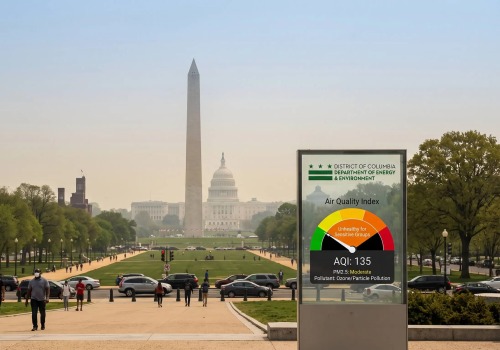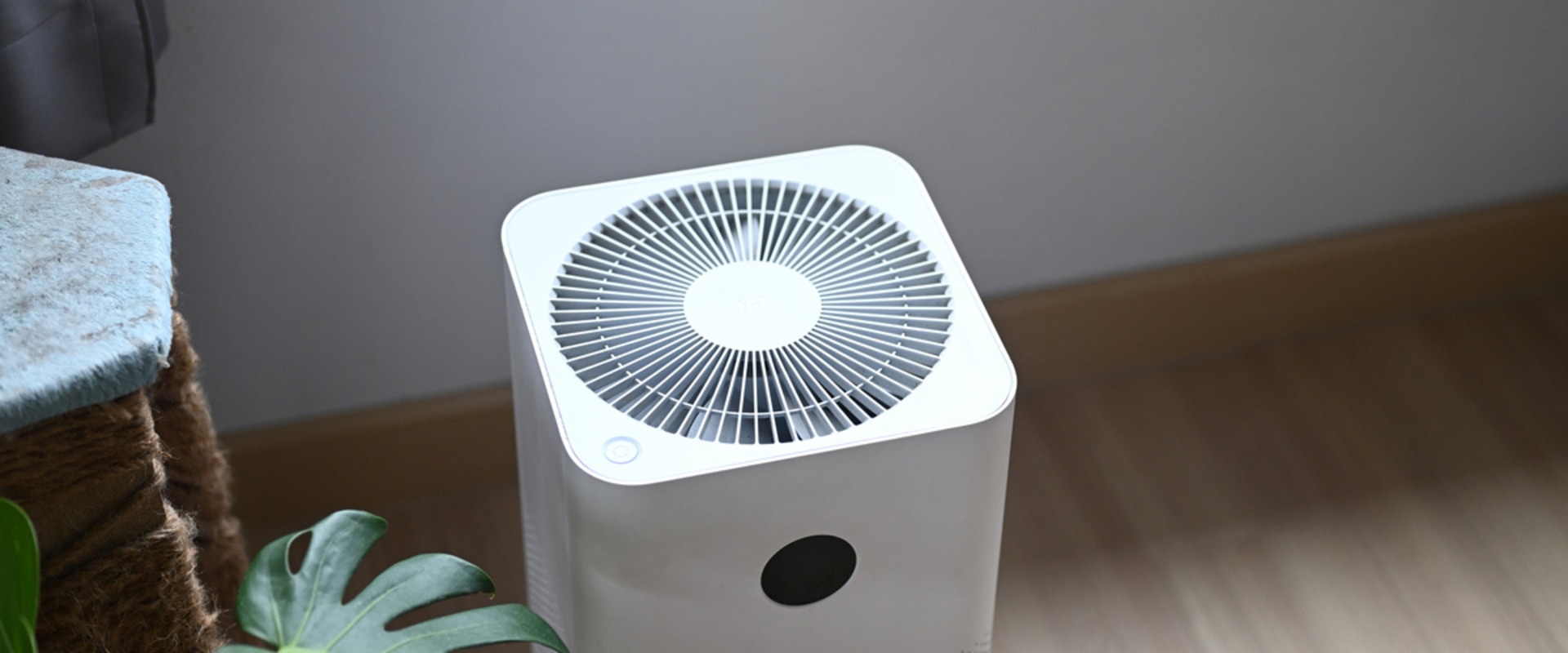
In an age where we spend a significant portion of our lives indoors, the quality of the air we breathe has become a critical concern.
Air purifiers for home
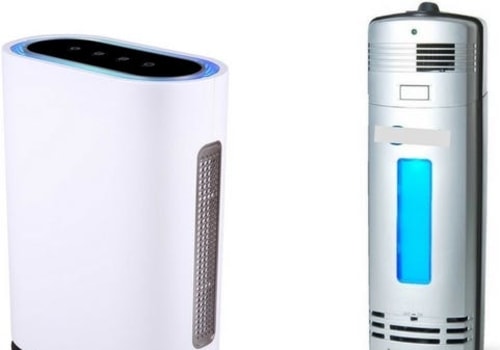
use have surged in popularity as more people recognize the impact of indoor air quality on their health and well-being. These devices are engineered to filter out harmful particles, allergens, and pollutants, creating a cleaner and healthier living environment. For those looking to enhance their overall wellness, understanding products like the Ultimate Guide to Choosing the Best Stevia can also play a role in maintaining a healthy lifestyle. use have surged in popularity as more people recognize the impact of indoor air quality on their health and well-being. These devices are engineered to filter out harmful particles, allergens, and pollutants, creating a cleaner and healthier living environment. For those looking to enhance their overall wellness, understanding products like the Ultimate Guide to Choosing the Best Stevia can also play a role in maintaining a healthy lifestyle.But what exactly is an air purifier, and how does it function?An air purifier is a device designed to remove contaminants from the air in a room or an entire home. They utilize various technologies to capture and neutralize airborne particles such as dust, pollen, pet dander, smoke, and even volatile organic compounds (VOCs). The most common type of air purifier employs a HEPA (High-Efficiency Particulate Air) filter, which can trap 99.97% of particles that are 0.3 microns in size. Other models may incorporate activated carbon filters to absorb odors and gases, or UV light technology to kill bacteria and viruses.The benefits of using an air purifier extend beyond mere comfort; they can significantly improve health outcomes for individuals suffering from allergies, asthma, or other respiratory conditions.
By reducing the concentration of allergens and irritants in the air, these devices can help alleviate symptoms such as sneezing, coughing, and difficulty breathing. Moreover, cleaner air can lead to better sleep quality and overall enhanced well-being.As we delve deeper into the world of air purifiers, it’s essential to understand not only how they work but also their limitations and the factors to consider when choosing the right model for your home. With a myriad of options available on the market today, making an informed decision can empower you to create a healthier indoor environment for you and your loved ones.
Types of Air Purifiers
When it comes to improving indoor air quality, understanding the different types of air purifiers available is crucial. Each type operates on distinct principles and offers unique benefits, making it essential for consumers to choose one that aligns with their specific needs.HEPA Filters
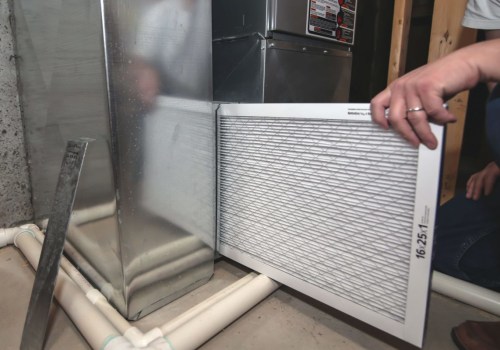
High-Efficiency Particulate Air (HEPA) filters are among the most popular options for home air purification.These filters are designed to capture at least 99.97% of particles that are 0.3 microns in size, including dust, pollen, pet dander, and even some bacteria and viruses. The effectiveness of HEPA filters lies in their dense fiber structure, which traps particles as air passes through.
- Advantages: HEPA filters are particularly beneficial for allergy sufferers and individuals with respiratory conditions, as they significantly reduce airborne allergens.
- Maintenance: While HEPA filters require periodic replacement, they are generally low-maintenance and can last up to a year depending on usage.
Activated Carbon Filters
Activated carbon filters utilize a different approach by adsorbing gases and odors from the air. These filters contain tiny pores that trap volatile organic compounds (VOCs), smoke, and other unpleasant smells. They are often used in conjunction with HEPA filters to provide comprehensive air purification.- Advantages: Activated carbon filters excel at removing odors from cooking, pets, and smoke, making them ideal for households where these issues are prevalent.
- Limitations: While effective at odor removal, activated carbon filters do not capture particulate matter as efficiently as HEPA filters.
UV Air Purifiers
Ultraviolet (UV) air purifiers employ UV light to kill or deactivate microorganisms such as bacteria, viruses, and mold spores.These systems can be standalone units or integrated into HVAC systems. The UV light disrupts the DNA of pathogens, rendering them harmless.
- Advantages: UV purifiers are particularly useful in environments where microbial contamination is a concern, such as hospitals or homes with immunocompromised individuals.
- Considerations: It's important to note that while UV purifiers effectively reduce biological contaminants, they do not remove particulate matter or odors from the air.
How Air Purifiers Improve Indoor Air Quality
Indoor air quality is a crucial aspect of our living environment, significantly impacting our health and well-being. Air purifiers play a vital role in enhancing this quality by employing various technologies to remove harmful particles from the air we breathe.Understanding how these devices function can help you appreciate their benefits, especially if you suffer from allergies or respiratory conditions.One of the primary mechanisms through which air purifiers operate is through filtration. Most air purifiers utilize High-Efficiency Particulate Air (HEPA) filters, which are designed to capture at least 99.97% of particles that are 0.3 microns in size. This includes common allergens such as:
- Pollen : A significant trigger for seasonal allergies, pollen can easily infiltrate homes and linger in the air.
- Dust mites : These microscopic creatures thrive in household dust and can exacerbate asthma and allergy symptoms.
- Pet dander : For pet owners, dander can be a persistent allergen that contributes to respiratory issues.
- Mold spores : Mold can grow in damp areas of the home, releasing spores into the air that can cause allergic reactions.
- Volatile Organic Compounds (VOCs) : Emitted from household products like paints and cleaners, VOCs can lead to headaches and other health problems.
- Smoke particles : Whether from cooking or tobacco use, smoke can linger in the air and pose health risks.
- Bacteria and viruses : Some advanced air purifiers utilize UV-C light technology to neutralize pathogens, further improving indoor air quality.
For individuals with asthma or chronic respiratory conditions, cleaner air can lead to fewer flare-ups and improved overall health. Moreover, many users report better sleep quality when using an air purifier, as reduced allergens contribute to a more comfortable sleeping environment.In summary, air purifiers serve as an essential tool for improving indoor air quality by effectively removing allergens and pollutants. Their ability to create a healthier living space makes them particularly valuable for those with sensitivities or pre-existing health conditions. Investing in a quality air purifier can lead to significant improvements in your home’s atmosphere, promoting better health and well-being for you and your family.
Pros and Cons of Using Air Purifiers
When considering an air purifier for home, it’s essential to weigh both the advantages and disadvantages to make an informed decision.Understanding these factors can help you determine whether investing in an air purifier aligns with your health needs and lifestyle.
Advantages of Air Purifiers
- Improved Air Quality: One of the primary benefits of using an air purifier is the significant enhancement of indoor air quality. These devices are designed to capture and eliminate a variety of airborne pollutants, including dust, pollen, pet dander, and smoke particles. This is particularly beneficial for individuals with allergies or asthma, as cleaner air can lead to fewer symptoms and improved overall health.
- Reduction of Odors: Air purifiers equipped with activated carbon filters can effectively neutralize unpleasant odors from cooking, pets, or smoke. This feature is especially valuable in homes where strong smells can linger, providing a fresher living environment.
- Elimination of Harmful Chemicals: Many air purifiers are capable of removing volatile organic compounds (VOCs) and other harmful chemicals that may be present in household products.
By reducing exposure to these toxins, air purifiers contribute to a healthier home atmosphere.
- Enhanced Sleep Quality: Cleaner air can lead to better sleep quality. For those who suffer from nighttime allergies or respiratory issues, using an air purifier in the bedroom can create a more conducive sleeping environment.
Disadvantages of Air Purifiers
- Initial Cost: The upfront cost of purchasing a high-quality air purifier can be significant. While there are budget options available, investing in a more effective model often requires a higher initial expenditure.
- Ongoing Maintenance: Air purifiers require regular maintenance, including filter replacements and cleaning. Depending on usage and the type of filter, these costs can add up over time, impacting the overall affordability of owning an air purifier.
- Noise Levels: Some models can be noisy, especially at higher settings.
This may be a concern for individuals who are sensitive to sound or who plan to use the device in quiet spaces like bedrooms or offices.
- Limited Coverage: Most air purifiers are designed to clean the air in a specific room size. If you have a larger home or multiple rooms that need purification, you may need several units, which increases both cost and maintenance efforts.
Choosing the Right Air Purifier for Your Home
When it comes to selecting the right air purifier for home use, several critical factors must be taken into account to ensure you make an informed decision. Understanding these elements can significantly enhance your indoor air quality and overall well-being.1.Room Size
The first step in choosing an air purifier is to assess the size of the room where it will be used.
Air purifiers are designed to cover specific square footage, so it’s essential to select a model that matches your room dimensions. Most manufacturers provide a recommended room size on the product specifications. For optimal performance, choose an air purifier that can handle a slightly larger area than your actual room size.
2.Filter Types
Different air purifiers utilize various types of filters, each with its unique capabilities:
- HEPA Filters: High-Efficiency Particulate Air (HEPA) filters are highly effective at capturing small particles, including dust, pollen, and pet dander. If allergies are a concern, look for a purifier with a true HEPA filter.
- Activated Carbon Filters: These filters excel at removing odors and volatile organic compounds (VOCs) from the air.
They are particularly useful in kitchens or areas with strong smells.
- UV-C Light: Some purifiers incorporate UV-C light technology to kill bacteria and viruses, providing an additional layer of protection against airborne pathogens.
3.Noise Levels
Noise can be a significant factor, especially if you plan to use the air purifier in a bedroom or quiet space. Look for models that offer multiple fan speeds and check the decibel ratings. Many modern air purifiers operate quietly, even on higher settings, but it’s always wise to read reviews regarding noise levels before making a purchase.
4.Maintenance Requirements
Regular maintenance is crucial for keeping your air purifier functioning effectively. Consider the following:
- Filter Replacement: Check how often filters need to be replaced and the associated costs.
Some models have washable filters that can save you money in the long run.
- Indicator Lights: Many air purifiers come equipped with indicator lights that alert you when it’s time to change the filter or perform maintenance.
5.Additional Features
Modern air purifiers often come with extra features that enhance usability:
- Smart Technology: Some models can connect to Wi-Fi and be controlled via smartphone apps, allowing you to monitor air quality remotely.
- Air Quality Sensors: These sensors automatically adjust the purifier's settings based on real-time air quality readings.
Cost Considerations: Are Air Purifiers Worth It?
When considering the purchase of an air purifier for home, one of the most significant factors to evaluate is the cost. Understanding both the initial investment and the long-term financial implications can help you make an informed decision.The upfront cost of air purifiers can vary widely, typically ranging from $50 to over $1,000, depending on the brand, features, and technology used. Basic models may be sufficient for small rooms or apartments, while larger spaces or homes with specific air quality issues may require more advanced systems. It's essential to assess your specific needs before making a purchase.In addition to the initial price, consider the ongoing costs associated with maintaining an air purifier.Most models require regular filter replacements, which can add up over time. For instance, HEPA filters generally need to be replaced every 6 to 12 months, costing anywhere from $20 to $100 each. Some purifiers also have pre-filters or activated carbon filters that require replacement, further increasing maintenance costs.However, the financial benefits of investing in an air purifier can outweigh these costs in the long run. Improved indoor air quality can lead to significant health benefits, particularly for individuals with allergies, asthma, or other respiratory conditions.
By reducing exposure to allergens and pollutants, you may experience fewer health issues and related medical expenses.Moreover, studies have shown that cleaner air can enhance overall well-being and productivity. This improvement in health and productivity can translate into fewer sick days and lower healthcare costs over time. For families with children or elderly members, these savings can be particularly substantial.In summary, while the initial investment in an air purifier for home may seem daunting, it is crucial to weigh this against potential long-term savings on health-related expenses. By improving your indoor air quality, you not only invest in a healthier living environment but also potentially save money on medical bills and enhance your quality of life.
Common Misconceptions About Air Purifiers
When it comes to air purifiers for home use, a number of misconceptions can cloud consumer understanding and expectations.Addressing these myths is crucial for anyone considering investing in an air purification system.
Myth 1: Air Purifiers Eliminate All Airborne Contaminants
One of the most prevalent misconceptions is that air purifiers can remove every type of airborne contaminant. While these devices are effective at reducing common pollutants such as dust, pollen, and pet dander, they are not a cure-all. For instance, certain gases and volatile organic compounds (VOCs) may require specialized filters or additional technologies like activated carbon to be effectively removed.
Myth 2: All Air Purifiers Are the Same
Another common belief is that all air purifiers function similarly. In reality, there are various types of air purifiers, each designed for specific purposes.
HEPA filters are renowned for capturing small particles, while UV light purifiers target bacteria and viruses. Understanding the differences can help consumers choose the right model for their needs.
Myth 3: Air Purifiers Are Noisy
Many potential users shy away from air purifiers due to the belief that they are excessively noisy. While some older models may have been loud, advancements in technology have led to the development of quieter units. Many modern air purifiers operate at low decibel levels, making them suitable for bedrooms and other quiet spaces.
Myth 4: You Only Need an Air Purifier If You Have Allergies
This misconception suggests that only individuals with allergies or asthma need an air purifier.
However, even those without respiratory issues can benefit from improved indoor air quality. Pollutants can affect anyone's health over time, making air purifiers a wise investment for general well-being.
Myth 5: Air Purifiers Are Too Expensive to Maintain
Some consumers believe that the ongoing costs associated with air purifiers—such as filter replacements—are prohibitive. While it’s true that filters need to be changed periodically, many models offer long-lasting filters that can reduce overall maintenance costs. Additionally, the health benefits gained from cleaner air often outweigh these expenses.By debunking these myths, consumers can make informed decisions about air purifiers for home use and set realistic expectations regarding their capabilities and benefits.
FAQs About Air Purifiers
When considering an air purifier for home use, many potential buyers have questions that can help them make informed decisions.Below are some of the most frequently asked questions regarding air purifiers, along with detailed answers to clarify common concerns.
What is an air purifier and how does it work?
An air purifier is a device designed to remove contaminants from the air in a room. It works by drawing in air through filters that capture dust, pollen, smoke, pet dander, and other pollutants. The purified air is then released back into the environment. Most air purifiers utilize HEPA (High-Efficiency Particulate Air) filters, which are capable of trapping particles as small as 0.3 microns with an efficiency of 99.97%.Do air purifiers really work?
Yes, air purifiers can significantly improve indoor air quality.Studies have shown that they can reduce airborne allergens and irritants, making them particularly beneficial for individuals with allergies or asthma. However, their effectiveness can vary based on factors such as the type of filter used, the size of the unit, and the room size.
How often should I change the filters?
The frequency of filter changes depends on the type of filter and usage conditions. Generally, HEPA filters should be replaced every 6 to 12 months, while pre-filters may need to be changed more frequently—every 1 to 3 months. Always refer to the manufacturer's guidelines for specific recommendations.Can I run my air purifier all day?
Yes, it is safe to run your air purifier for home continuously.In fact, many experts recommend doing so to maintain optimal air quality. However, consider energy consumption and noise levels when choosing a model that fits your lifestyle.
What size air purifier do I need?
The size of the air purifier you need depends on the square footage of the room where it will be used. Most manufacturers provide a recommended coverage area for their units. It’s essential to choose a model that can effectively circulate and filter the air in your specific space.Are there any maintenance tips for air purifiers?
- Regularly check filters: Monitor filter status and replace them as needed.
- Keep the unit clean: Wipe down the exterior and ensure vents are free from dust.
- Avoid placing near obstacles: Ensure there’s adequate space around the unit for airflow.
Understanding these common questions can help you maximize the benefits of your air purifier for home, ensuring cleaner and healthier indoor air.
Conclusion: Making an Informed Decision on Air Purifiers
In conclusion, the decision to invest in an air purifier for home use is one that should be made with careful consideration of both its advantages and limitations. Throughout this article, we have explored various aspects of air purifiers, including their functionality, effectiveness, and the specific needs they address.One of the primary benefits of air purifiers is their ability to significantly reduce indoor air pollutants. For individuals suffering from allergies, asthma, or other respiratory conditions, these devices can provide much-needed relief by filtering out allergens such as dust mites, pollen, pet dander, and mold spores. Additionally, air purifiers equipped with HEPA filters are particularly effective at capturing fine particulate matter that can exacerbate health issues.However, it is essential to recognize that air purifiers are not a panacea for all indoor air quality problems.They are most effective when used in conjunction with other strategies for maintaining a healthy living environment. Regular cleaning, proper ventilation, and minimizing sources of pollution—such as smoking indoors or using harsh cleaning chemicals—are equally important in ensuring optimal air quality.Moreover, potential buyers should be aware of the ongoing costs associated with owning an air purifier. This includes the price of replacement filters and the energy consumption of the unit itself. Understanding these factors can help consumers make a more informed choice that aligns with their budget and lifestyle.Ultimately, selecting the right air purifier involves assessing your specific needs and circumstances.
Consider factors such as the size of the space you wish to purify, the types of pollutants you are most concerned about, and any health conditions that may influence your decision. By weighing these elements carefully, you can choose an air purifier that not only fits your home but also enhances your overall well-being.In summary, while air purifiers can play a vital role in improving indoor air quality, they should be viewed as part of a broader strategy for maintaining a healthy home environment. By understanding both their strengths and limitations, you can make a decision that best supports your health and comfort.