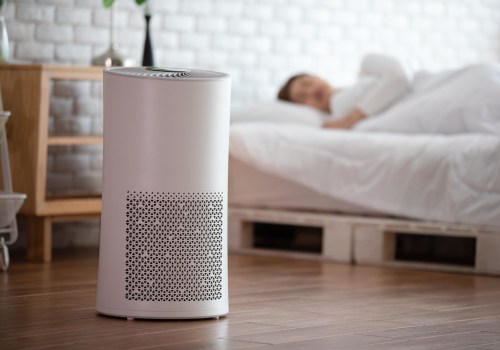
In an age where indoor air quality is becoming increasingly important, understanding air purifiers and their functionality is essential for maintaining a healthy living environment. An air purifier is a device designed to remove contaminants from the air in a room, thereby improving the overall air quality. These devices are particularly beneficial for individuals suffering from allergies, asthma, or other respiratory conditions, as they can significantly reduce airborne pollutants such as dust, pollen, pet dander, and smoke.So, how do air purifiers work? At their core, most air purifiers utilize a filtration system to capture and eliminate harmful particles from the air. The most common type of filter found in these devices is the HEPA (High-Efficiency Particulate Air) filter, which is capable of trapping particles as small as 0.3 microns with an efficiency of 99.97%.
This means that not only do they capture larger particles like dust and pet hair, but they also effectively reduce smaller allergens and pollutants that can exacerbate health issues.In addition to HEPA filters, many modern air purifiers incorporate additional technologies such as activated carbon filters to absorb odors and volatile organic compounds (VOCs), UV light to kill bacteria and viruses, and ionizers that charge particles to make them easier to capture. This multi-faceted approach allows air purifiers to address a wide range of indoor air quality concerns, making them a valuable addition to any home.As we delve deeper into the topic of air purifiers for home use, it becomes clear that these devices are not just luxury items but essential tools for promoting better health and well-being. By understanding their functionality and benefits, homeowners can make informed decisions about which air purifier best suits their needs and ultimately create a cleaner, healthier indoor environment.
Health Benefits of Air Purifiers
Air purifiers have gained significant attention for their potential to enhance indoor air quality and promote better health outcomes. Understanding the specific health benefits associated with these devices can help individuals make informed decisions about incorporating an air purifier for home use.One of the most notable advantages of air purifiers is their ability to alleviate symptoms related to allergies.For individuals sensitive to pollen, dust mites, pet dander, and mold spores, the presence of these allergens in the air can trigger uncomfortable reactions. Air purifiers equipped with HEPA (High-Efficiency Particulate Air) filters are particularly effective in capturing these microscopic particles, thereby reducing their concentration in indoor environments. This reduction can lead to fewer allergy attacks and a more comfortable living space.In addition to allergies, air purifiers play a crucial role in managing asthma symptoms. Asthma is a chronic respiratory condition characterized by inflammation and narrowing of the airways, often triggered by airborne irritants.
By filtering out pollutants such as smoke, volatile organic compounds (VOCs), and other harmful particles, air purifiers can help create a safer environment for asthma sufferers. Studies have shown that consistent use of air purifiers can lead to improved lung function and reduced frequency of asthma attacks.Moreover, the health benefits of air purifiers extend beyond just allergy and asthma relief. They can also contribute to overall respiratory health by minimizing exposure to harmful pollutants that may lead to chronic respiratory diseases. For instance, long-term exposure to indoor air pollution has been linked to conditions such as chronic obstructive pulmonary disease (COPD) and even lung cancer.
By actively removing these pollutants from the air, air purifiers can serve as a preventive measure against such serious health issues.Furthermore, many modern air purifiers come with additional features such as activated carbon filters that help eliminate odors and harmful gases, enhancing the overall quality of indoor air. This is particularly beneficial for households with pets or those who frequently cook indoors.In summary, the health benefits of using an air purifier for allergies and asthma are well-documented. From reducing allergen levels to improving respiratory function and preventing chronic diseases, these devices can significantly enhance indoor air quality and promote better health outcomes for all household members.
Types of Air Purifiers: Which One is Right for You?
When it comes to selecting an air purifier for home, understanding the different types available can significantly influence your decision. Each type of air purifier operates on distinct principles and is designed to tackle specific air quality issues.Below, we explore the most common types of air purifiers, their functionalities, and the scenarios in which they excel.
HEPA Filters
High-Efficiency Particulate Air (HEPA) filters are among the most popular choices for home air purification. These filters are designed to capture at least 99.97% of particles that are 0.3 microns in diameter, including dust, pollen, pet dander, and even some bacteria and viruses. HEPA filters are particularly effective for individuals suffering from allergies or asthma, as they significantly reduce airborne allergens.- Ideal Use Cases: HEPA filters are best suited for bedrooms, living rooms, and any space where you spend a significant amount of time. They are particularly beneficial for allergy sufferers and those with respiratory conditions.
- Maintenance: Regular filter replacement is essential to maintain efficiency; typically every 6 to 12 months depending on usage.
Activated Carbon Filters
Activated carbon filters utilize a porous material that adsorbs odors, gases, and volatile organic compounds (VOCs).This makes them an excellent choice for eliminating unpleasant smells from cooking, pets, or smoke. While they do not capture particulate matter as effectively as HEPA filters, they play a crucial role in improving overall air quality by targeting gaseous pollutants.
- Ideal Use Cases: These filters are ideal for kitchens, bathrooms, and areas where odors are prevalent. They work well in conjunction with HEPA filters for comprehensive air purification.
- Maintenance: Activated carbon filters should be replaced every 3 to 6 months to ensure optimal performance.
UV Air Purifiers
Ultraviolet (UV) air purifiers use UV light to kill or deactivate microorganisms such as bacteria, viruses, and mold spores. This technology is particularly effective in environments where microbial contamination is a concern.- Ideal Use Cases: UV purifiers are often used in hospitals or homes with immunocompromised individuals.
They can also be beneficial in areas prone to mold growth.
- Maintenance: UV bulbs typically need replacement every year or two, depending on usage.
Factors to Consider When Choosing an Air Purifier for Home
When it comes to selecting the right air purifier for home, several critical factors must be taken into account to ensure that you make an informed decision. Understanding these elements can significantly enhance your indoor air quality and overall health.Room Size and Coverage Area
The first consideration is the size of the room where the air purifier will be used. Air purifiers are designed with specific coverage areas in mind, typically measured in square feet.It’s essential to choose a model that can effectively clean the air in your designated space. For instance, if you have a large living room, opting for a unit with a higher CADR (Clean Air Delivery Rate) is advisable, as it indicates how quickly and efficiently the purifier can filter the air.
Filter Type
The type of filter used in an air purifier plays a crucial role in its effectiveness. The most commonly recommended filter is the HEPA (High-Efficiency Particulate Air) filter, which can capture particles as small as 0.3 microns, including dust, pollen, and pet dander. However, if you are concerned about specific pollutants like volatile organic compounds (VOCs) or odors, consider models that include activated carbon filters or UV-C light technology for additional purification.Maintenance Requirements
Another important factor is the maintenance needs of the air purifier.Regularly replacing filters is essential for optimal performance; therefore, it’s wise to check how often filters need to be changed and the associated costs. Some models come with filter replacement indicators, which can simplify maintenance and ensure that your unit operates efficiently.
Specific Health Concerns
Your individual health concerns should also guide your choice. If you or someone in your household suffers from allergies or asthma, look for purifiers specifically designed to alleviate these conditions. Additionally, if you have pets or live in an area with high pollution levels, selecting a model with advanced filtration capabilities will be beneficial.In summary, when choosing an air purifier for home, consider the room size and coverage area, filter type, maintenance requirements, and any specific health concerns.By taking these factors into account, you can select an air purifier that best meets your needs and contributes to a healthier living environment.
The Impact of Indoor Air Quality on Health
Indoor air quality (IAQ) is a critical yet often overlooked aspect of our living environments. The air we breathe indoors can be significantly more polluted than outdoor air, primarily due to the accumulation of various pollutants that originate from everyday activities and materials. Understanding the impact of these pollutants on health is essential for creating a safe and healthy home.Common indoor air pollutants include:- Volatile Organic Compounds (VOCs) : These are emitted from paints, cleaning products, and building materials. Prolonged exposure can lead to headaches, dizziness, and even long-term health issues.
- Particulate Matter (PM) : Tiny particles from dust, pet dander, and smoke can penetrate deep into the lungs, exacerbating respiratory conditions such as asthma and bronchitis.
- Biological Contaminants : Mold spores, pollen, and bacteria thrive in damp environments.
These can trigger allergic reactions and respiratory infections.
- Carbon Monoxide : This colorless, odorless gas can be produced by malfunctioning appliances. High levels can lead to serious health risks, including impaired cognitive function.
- Respiratory Diseases : Conditions like asthma and chronic obstructive pulmonary disease (COPD) can worsen due to poor air quality.
- Cardiovascular Issues : Long-term exposure to indoor pollutants has been linked to heart disease and other cardiovascular problems.
- Cognitive Impairment : Emerging research suggests that poor IAQ may affect cognitive function and mental health, leading to issues such as anxiety and depression.
HEPA filters, in particular, are designed to capture 99.97% of particles that are 0.3 microns or larger, making them highly effective against common allergens and pollutants.Incorporating an air purifier into your home environment not only helps in reducing the concentration of harmful substances but also promotes overall well-being. Regular maintenance of these devices is crucial to ensure they operate at peak efficiency, thus maximizing their health benefits.
Common Misconceptions About Air Purifiers
When it comes to air purifiers for home, there are numerous myths and misconceptions that can cloud the understanding of their effectiveness and functionality. Addressing these misunderstandings is crucial for making informed decisions about indoor air quality.Myth 1: Air Purifiers Eliminate All Indoor Pollutants
One common misconception is that air purifiers can completely eliminate all types of indoor pollutants. While these devices are effective at reducing airborne particles such as dust, pollen, and pet dander, they are not a cure-all.
Many air purifiers, especially those equipped with HEPA filters, excel at capturing particulate matter but may not effectively remove gases or volatile organic compounds (VOCs) found in household products. To achieve optimal air quality, it’s essential to combine the use of an air purifier with other strategies, such as proper ventilation and minimizing sources of pollution.
Myth 2: All Air Purifiers Are the Same
Another prevalent myth is that all air purifiers function similarly. In reality, there are various types of air purifiers, each designed for specific purposes. For instance, HEPA filters are renowned for their ability to trap small particles, while activated carbon filters are effective at absorbing odors and gases.
Understanding the differences between these technologies can help consumers select the right model tailored to their needs.
Myth 3: Air Purifiers Are Only Necessary for Allergies
Many people believe that air purifiers are only beneficial for those suffering from allergies or asthma. However, the truth is that everyone can benefit from improved indoor air quality. Pollutants such as smoke, mold spores, and pet dander can affect anyone's health over time, potentially leading to respiratory issues or other health concerns. Investing in an air purifier can be a proactive measure to enhance overall well-being.
Myth 4: Using an Air Purifier Means You Don’t Need to Clean
Some individuals think that having an air purifier eliminates the need for regular cleaning.
This is a misconception; while air purifiers help reduce airborne particles, they do not eliminate dust and dirt that settle on surfaces. Regular cleaning routines should still be maintained to ensure a healthy living environment.
Myth 5: Air Purifiers Are Noisy
Lastly, many potential users shy away from purchasing an air purifier due to the belief that they are excessively noisy. While some older models may have been loud, advancements in technology have led to the development of quieter units that operate efficiently without disturbing daily activities. Many modern air purifiers come with noise-reduction features, making them suitable for bedrooms and other quiet spaces.By debunking these common myths about air purifiers, consumers can make more informed choices regarding their indoor air quality solutions.
Understanding what these devices can and cannot do is essential for maximizing their benefits and ensuring a healthier home environment.
The Role of Ventilation in Indoor Air Quality
When it comes to maintaining a healthy indoor environment, the significance of proper ventilation cannot be overstated. While air purifiers are effective in filtering out pollutants and allergens, they work best when combined with adequate ventilation. This synergy not only enhances air quality but also contributes to overall health and well-being.Importance of Ventilation
Ventilation is the process of exchanging stale indoor air with fresh outdoor air. This exchange is crucial for several reasons:
- Reduces Indoor Pollutants: Proper ventilation helps dilute and remove indoor pollutants such as volatile organic compounds (VOCs), carbon dioxide, and other harmful gases that can accumulate in enclosed spaces.
- Controls Humidity Levels: High humidity can lead to mold growth and dust mites, both of which can exacerbate respiratory issues.
Ventilation helps maintain optimal humidity levels, reducing these risks.
- Enhances Comfort: Fresh air circulation can improve comfort levels, making indoor spaces more pleasant and reducing feelings of stuffiness.
Indoor Ventilation Tips
To maximize the benefits of ventilation in your home, consider the following tips:
- Open Windows: Whenever weather permits, open windows to allow fresh air to flow through your home. This simple act can significantly improve indoor air quality.
- Use Exhaust Fans: Install exhaust fans in areas prone to moisture, such as kitchens and bathrooms. These fans help expel humid air and prevent the buildup of pollutants.
- Consider Mechanical Ventilation: For homes with limited natural ventilation, mechanical systems like heat recovery ventilators (HRVs) or energy recovery ventilators (ERVs) can provide controlled airflow while minimizing energy loss.
- Regular Maintenance: Ensure that your ventilation systems are well-maintained. Clean filters and ducts regularly to prevent dust and allergens from circulating back into your living space.
Combining Ventilation with Air Purifiers
The integration of air purifiers with proper ventilation creates a powerful strategy for improving indoor air quality.
While air purifiers effectively capture airborne particles, they do not replace the need for fresh air. Here’s how to combine both:
- Strategic Placement: Position your air purifier near sources of pollution, such as cooking areas or pet zones, while ensuring that it operates in conjunction with open windows or exhaust systems.
- Timing Matters: Use your air purifier when windows are closed to filter out contaminants while still allowing for regular ventilation when outdoor air quality is good.
- Create a Routine: Establish a routine that includes both ventilating your home and running your air purifier at optimal times to ensure continuous improvement in air quality.
Limitations of Certain Types of Air Purifiers
While air purifiers can significantly enhance indoor air quality, not all models are created equal.Certain types, particularly ionic air purifiers, come with notable limitations that can undermine their effectiveness and even pose health risks.
Understanding Ionic Air Purifiers
Ionic air purifiers operate by releasing negatively charged ions into the air. These ions attach to airborne particles, causing them to clump together and fall to the ground. While this process may seem beneficial, it has several drawbacks that warrant consideration.Ozone Production: A Hidden Danger
One of the most significant concerns associated with ionic air purifiers is their potential to produce ozone. Ozone is a reactive gas that can irritate the respiratory system and exacerbate existing health conditions such as asthma and chronic obstructive pulmonary disease (COPD).The Environmental Protection Agency (EPA) has classified ozone as a harmful pollutant, and exposure can lead to:
- Increased respiratory issues
- Worsening of asthma symptoms
- Reduced lung function
- Increased susceptibility to respiratory infections
Drawbacks of Certain Filters
Beyond ionic models, other types of filters also have limitations. For instance, some air purifiers utilize UV light or electrostatic filters, which may not capture all types of pollutants effectively. Here are some common drawbacks:- UV Light Filters: While they can kill bacteria and viruses, UV filters often fail to remove particulate matter like dust and pollen from the air.
- Electrostatic Filters: These filters can attract particles but may not be as effective in capturing smaller allergens or volatile organic compounds (VOCs).
- HEPA Filters: Although HEPA filters are highly effective at trapping small particles, they require regular maintenance and replacement to maintain their efficiency.
Real-Life Case Studies: Air Purifier Effectiveness in Homes
Understanding the real-world impact of air purifiers can be greatly enhanced by examining specific case studies that illustrate their effectiveness in various home environments.These examples provide valuable insights into how air purifiers can improve indoor air quality and contribute to better health outcomes.
Case Study 1: Reducing Allergens in a Family Home
A family in a suburban area of California reported significant improvements in their indoor air quality after installing a HEPA air purifier in their living room. The mother, who suffered from severe allergies, noted that her symptoms decreased dramatically within a week of using the device. The air purifier effectively captured dust mites, pet dander, and pollen, which were prevalent in their home due to nearby landscaping and the presence of two cats. After three months of consistent use, the family conducted an air quality test that showed a 50% reduction in airborne allergens.Case Study 2: Asthma Management in an Urban Apartment
In a densely populated urban apartment in New York City, a young woman with asthma experienced frequent attacks due to high levels of pollution and allergens.After consulting with her healthcare provider, she decided to invest in a high-efficiency particulate air (HEPA) purifier for her bedroom. Within two weeks, she reported fewer nighttime awakenings and improved breathing during the day. Follow-up assessments indicated that her peak flow measurements improved by 20%, demonstrating the positive impact of cleaner air on her respiratory health.
Case Study 3: Combating Second-Hand Smoke
A couple living with a smoker found themselves concerned about the effects of second-hand smoke on their health, especially since they had young children. They purchased an air purifier equipped with activated carbon filters designed to target smoke particles and odors.After one month of use, they noticed a significant reduction in smoke smell and reported fewer respiratory issues among their children. A local health department study confirmed that the indoor air quality had improved significantly, with reduced levels of harmful particulate matter.These case studies highlight the tangible benefits of using an air purifier for home environments. By addressing specific pollutants and allergens, these devices can lead to noticeable improvements in health and well-being for individuals and families alike.
<strong>Conclusion</strong>: Making an Informed Decision About Air Purifiers for Your Home
In conclusion, the journey towards improving indoor air quality and enhancing your health through the use of an air purifier for home is multifaceted. Throughout this article, we have explored the various benefits that air purifiers can offer, particularly for individuals suffering from allergies, asthma, and other respiratory conditions.The evidence suggests that these devices can significantly reduce airborne pollutants, thereby contributing to a healthier living environment.However, it is crucial to recognize that air purifiers are not a panacea. While they play a vital role in filtering out harmful particles, their effectiveness can be influenced by several factors, including the type of filter used, the size of the unit relative to the room, and the presence of other indoor air quality measures such as proper ventilation. Therefore, when selecting an air purifier, it is essential to consider your specific needs and circumstances.Moreover, understanding the limitations of certain types of air purifiers, such as ionic models that may produce ozone, is equally important. This knowledge empowers consumers to make informed choices that prioritize their health and well-being.
It is advisable to opt for models equipped with HEPA filters, which are widely recognized for their ability to capture fine particles effectively.In addition to investing in an appropriate air purifier, maintaining good indoor air quality involves adopting complementary practices. Regularly ventilating your home, minimizing sources of indoor pollution, and keeping humidity levels in check are all critical steps that can enhance the overall effectiveness of your air purification efforts.Ultimately, making an informed decision about an air purifier for home use requires careful consideration of both its benefits and limitations. By doing so, you can create a healthier living space that supports your well-being and reduces the risk of respiratory issues. Remember that while air purifiers are a valuable tool in your arsenal against indoor pollution, they work best when combined with other proactive measures aimed at improving air quality.