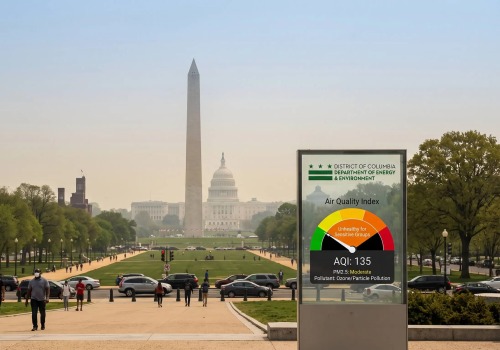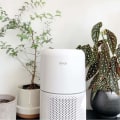
Air quality is a critical yet often overlooked aspect of our daily lives. It encompasses the cleanliness and composition of the air we breathe, which can significantly influence our health and well-being. In recent years, the importance of maintaining good air quality has gained heightened attention, particularly as studies continue to reveal the profound effects that poor air quality can have on our physical and mental health. From respiratory issues to cardiovascular diseases, the implications of inhaling contaminated air are alarming and warrant serious consideration.As urbanization and industrial activities increase, so does the prevalence of air pollution.
Pollutants such as particulate matter, volatile organic compounds (VOCs), and allergens can infiltrate our homes, leading to a myriad of health problems. For instance, individuals with pre-existing conditions like asthma or allergies may experience exacerbated symptoms when exposed to polluted air. Moreover, even healthy individuals are not immune; long-term exposure to poor air quality has been linked to chronic illnesses and reduced life expectancy.The growing body of research underscores the urgent need for effective solutions to combat indoor air pollution. With many people spending a significant portion of their time indoors—whether at home or in workplaces—the quality of indoor air has become a pressing concern.
This is where medical-grade air purifiers come into play. These advanced devices are designed to filter out harmful particles and pollutants, providing a cleaner and healthier environment for everyone.In light of these challenges, understanding the significance of air quality is essential for making informed decisions about our living spaces. By prioritizing clean air through the use of high-quality air purifiers, we can take proactive steps toward safeguarding our health and enhancing our overall quality of life.
What Are Medical-Grade Air Purifiers?
Medical-grade air purifiers are advanced devices specifically designed to filter and purify indoor air to a level that meets stringent health standards. Unlike standard air purifiers, which may only capture larger particles, medical-grade models utilize sophisticated filtration technologies to remove a wide range of airborne contaminants, including viruses, bacteria, allergens, and volatile organic compounds (VOCs).One of the defining characteristics of a medical-grade air purifier is its ability to achieve a high Clean Air Delivery Rate (CADR).This metric indicates how effectively the purifier can remove specific pollutants from the air. Medical-grade purifiers typically have CADR ratings that meet or exceed industry standards set by organizations such as the Association of Home Appliance Manufacturers (AHAM) and the American Society of Heating, Refrigerating and Air-Conditioning Engineers (ASHRAE).In addition to CADR ratings, medical-grade air purifiers often feature multi-stage filtration systems. These systems usually include:
- Pre-filters: These capture larger particles like dust and pet hair, prolonging the life of subsequent filters.
- HEPA filters: High-Efficiency Particulate Air (HEPA) filters are capable of trapping 99.97% of particles as small as 0.3 microns, including pollen, mold spores, and some bacteria.
- Activated carbon filters: These filters absorb odors and harmful gases, such as VOCs emitted from household products.
- UV-C light technology: Some medical-grade purifiers incorporate UV-C light to kill bacteria and viruses that may pass through the filters.
Investing in one of these devices can significantly improve indoor air quality, making it a wise choice for anyone looking to create a healthier living environment.
Key Features of Medical-Grade Air Purifiers
When it comes to ensuring the air quality in your home, understanding the key features of medical-grade air purifiers is essential. These advanced devices are designed not just to filter air but to significantly improve the overall health of your living environment. Below, we explore the standout features that make these purifiers a vital addition to any home.HEPA Filters
One of the most critical components of medical-grade air purifiers is the High-Efficiency Particulate Air (HEPA) filter. These filters are capable of trapping at least 99.97% of particles that are 0.3 microns in size, including dust, pollen, pet dander, and even some bacteria and viruses.The efficiency of HEPA filters is what sets them apart from standard filters, which may only capture larger particles.
- Particle Removal: HEPA filters excel at removing allergens and irritants from the air, making them particularly beneficial for individuals with allergies or respiratory conditions.
- Longevity: While HEPA filters require periodic replacement, they typically have a longer lifespan compared to standard filters, providing sustained performance over time.
UV-C Light Technology
Another innovative feature found in many medical-grade air purifiers is UV-C light technology. This technology utilizes ultraviolet light to neutralize harmful microorganisms such as bacteria, viruses, and mold spores. By incorporating UV-C light into the purification process, these devices enhance their ability to provide clean air.- Microbial Inactivation: UV-C light works by disrupting the DNA of pathogens, rendering them inactive and unable to reproduce.
- Complementary Action: When used alongside HEPA filters, UV-C light provides a multi-layered approach to air purification that maximizes effectiveness.
Activated Carbon Filters
In addition to HEPA filters and UV-C technology, many medical-grade air purifiers also feature activated carbon filters. These filters are specifically designed to absorb odors and volatile organic compounds (VOCs) that can be present in indoor air.- Odor Removal: Activated carbon is highly porous and has a large surface area, allowing it to trap odors from cooking, pets, smoke, and other sources effectively.
- Chemical Absorption: Beyond just odors, activated carbon can also capture harmful chemicals that may be released from household products or building materials.
Investing in a medical-grade air purifier equipped with HEPA filters, UV-C light technology, and activated carbon filters can lead to a healthier home environment for you and your family.
Certifications and Standards for Medical-Grade Air Purifiers
When considering an air purifier for home, understanding the certifications and standards that define medical-grade air purifiers is crucial. These certifications not only ensure the effectiveness of the devices but also guarantee their safety for everyday use.HEPA Certification
One of the most recognized standards in air purification is the HEPA (High-Efficiency Particulate Air) certification. To qualify as a HEPA filter, it must capture at least 99.97% of particles that are 0.3 microns in size. This includes common allergens such as pollen, dust mites, and pet dander, as well as more harmful particles like smoke and certain bacteria.
When shopping for an air purifier, look for models that explicitly state they meet HEPA standards, as this indicates a high level of filtration efficiency.
CADR Ratings
The Clean Air Delivery Rate (CADR) is another important metric to consider. CADR ratings measure the volume of filtered air delivered by an air purifier and are specific to three types of pollutants: smoke, pollen, and dust. A higher CADR rating means that the air purifier can clean the air more quickly and effectively. For instance, a unit with a CADR of 300 for smoke will remove smoke particles from a room faster than one with a CADR of 150.
When evaluating options, compare CADR ratings to ensure you select a model that suits your space and needs.
FDA Approval
For those seeking medical-grade air purifiers, FDA approval is a significant indicator of quality and safety. The FDA regulates devices that are intended to prevent or treat diseases, which includes certain air purifiers designed for medical environments. While not all air purifiers require FDA approval, those that do are subjected to rigorous testing to ensure they meet strict safety and efficacy standards. This can provide peace of mind for consumers looking to invest in an air purifier that offers superior protection against airborne contaminants.
Other Certifications
- AHAM Verified: The Association of Home Appliance Manufacturers (AHAM) verifies the performance claims made by manufacturers regarding CADR ratings.
- Energy Star: This certification indicates that the air purifier is energy-efficient, helping you save on electricity bills while maintaining optimal performance.
- CARB Compliance: In California, air purifiers must meet specific emissions standards set by the California Air Resources Board (CARB), ensuring low levels of ozone emissions.
They not only reflect the quality and reliability of the product but also ensure that you are making a sound investment in your health and well-being.
Benefits of Using Medical-Grade Air Purifiers at Home
Investing in a medical-grade air purifier for your home can yield a multitude of benefits, particularly for those who prioritize health and well-being. These advanced devices are designed to filter out a wide range of airborne pollutants, providing a cleaner and safer indoor environment.One of the most significant advantages of using medical-grade air purifiers is their ability to enhance overall health outcomes. By effectively removing harmful particles such as dust, pollen, pet dander, and mold spores, these purifiers can significantly reduce the risk of respiratory issues. This is especially crucial for individuals with pre-existing conditions like asthma or chronic obstructive pulmonary disease (COPD), as cleaner air can lead to fewer flare-ups and improved lung function.Moreover, medical-grade air purifiers are equipped with high-efficiency particulate air (HEPA) filters that can capture up to 99.97% of particles as small as 0.3 microns.This level of filtration is essential for eliminating allergens that can trigger allergic reactions. For those suffering from seasonal allergies or year-round sensitivities, having a reliable air purifier can provide much-needed allergy relief. By continuously circulating and filtering the air, these devices help maintain lower allergen levels, allowing individuals to breathe easier and enjoy a more comfortable living space.In addition to allergy relief, medical-grade air purifiers also play a vital role in reducing the spread of airborne illnesses. With the ongoing concerns surrounding viruses and bacteria, having an effective air purification system at home can be a proactive measure to safeguard your family’s health.
These purifiers not only trap pathogens but also neutralize them, thereby minimizing the risk of infection.Furthermore, many medical-grade air purifiers come with additional features such as real-time air quality monitoring and smart technology integration. These features allow users to track their indoor air quality and make informed decisions about when to operate their purifiers for maximum effectiveness.In summary, the benefits of using medical-grade air purifiers at home extend beyond mere comfort; they are essential tools for promoting better health, providing allergy relief, and ensuring a safer living environment. As we continue to navigate an increasingly polluted world, investing in such technology is not just wise but necessary for maintaining optimal indoor air quality.
Comparing Medical-Grade Air Purifiers to Standard Models
When it comes to choosing an air purifier for home, understanding the differences between medical-grade air purifiers and standard models is crucial. While both types aim to improve indoor air quality, their performance, features, and long-term value can vary significantly.Performance Differences
- Filtration Efficiency: Medical-grade air purifiers typically utilize HEPA (High-Efficiency Particulate Air) filters that can capture at least 99.97% of particles as small as 0.3 microns.
In contrast, standard air purifiers may use less efficient filters that do not meet this stringent standard, allowing smaller particles, allergens, and pathogens to remain in the air.
- Air Changes Per Hour (ACH): Medical-grade models are designed to provide a higher ACH rate, meaning they can filter the entire volume of air in a room multiple times per hour. This is particularly important in spaces where air quality is critical, such as hospitals or homes with vulnerable individuals.
- Additional Technologies: Many medical-grade purifiers incorporate advanced technologies such as UV-C light or ionization to further eliminate bacteria and viruses. Standard models may lack these features, limiting their effectiveness against airborne pathogens.
Cost Comparison
The initial investment for a medical-grade air purifier is often higher than that of standard models. However, it’s essential to consider the long-term value:
- Durability and Lifespan: Medical-grade purifiers are built with higher-quality materials and components, often resulting in a longer lifespan compared to standard units.
This durability can offset the initial cost over time.
- Maintenance Costs: While replacement filters for medical-grade purifiers may be more expensive, they often require less frequent changes due to their superior filtration capabilities. This can lead to lower overall maintenance costs.
- Health Benefits: Investing in a medical-grade air purifier can lead to significant health benefits, particularly for individuals with allergies, asthma, or other respiratory conditions. The reduction in airborne pollutants can result in fewer health issues and lower healthcare costs over time.
How to Choose the Right Medical-Grade Air Purifier for Your Home
Choosing the right medical-grade air purifier for your home is a crucial decision that can significantly impact your indoor air quality and overall health. With a plethora of options available, it’s essential to consider several key factors to ensure you select the best unit for your specific needs.1.Room Size
The first step in selecting an air purifier is to assess the size of the room where it will be used.
Medical-grade air purifiers are designed to handle different square footage, so it’s vital to choose one that matches your space. Most manufacturers provide a recommended room size on the product specifications. For optimal performance, ensure that the air purifier can effectively circulate and filter the air in your designated area.
2.Filter Type
Another critical factor is the type of filter used in the air purifier. Medical-grade units typically utilize HEPA (High-Efficiency Particulate Air) filters, which can capture 99.97% of particles as small as 0.3 microns.
This includes allergens like pollen, dust mites, and pet dander, as well as harmful pathogens. Some models also feature activated carbon filters that help eliminate odors and volatile organic compounds (VOCs). When choosing an air purifier, look for those with multi-stage filtration systems for comprehensive air cleaning.
3.Noise Levels
Noise can be a significant concern, especially if you plan to use the air purifier in a bedroom or quiet space. Many medical-grade air purifiers operate at various fan speeds, allowing you to adjust the noise level according to your preference.
Check product reviews and specifications for decibel ratings to find a model that operates quietly while still providing effective purification.
4.Maintenance and Filter Replacement
Consider the maintenance requirements of the air purifier you are interested in. Regular filter replacement is necessary for optimal performance, so look for models with easily accessible filters and clear indicators for when they need changing. Some units may even offer filter subscription services, ensuring you always have replacements on hand.
5.Additional Features
- Smart Technology: Many modern air purifiers come equipped with smart features such as app connectivity, allowing you to monitor air quality and control settings remotely.
- Air Quality Sensors: Some models include built-in sensors that detect pollutants and automatically adjust fan speeds based on real-time air quality.
- Energy Efficiency: Look for energy-efficient models that are ENERGY STAR certified to save on electricity costs while maintaining high performance.
Maintenance Tips for Medical-Grade Air Purifiers
To ensure that your medical-grade air purifier operates at peak efficiency, regular maintenance is essential. Proper care not only extends the lifespan of the unit but also guarantees that the air you breathe remains clean and healthy.Here are some practical maintenance tips to keep in mind:
- Regular Filter Replacement: One of the most critical aspects of maintaining an air purifier is adhering to a filter replacement schedule. Most manufacturers recommend changing HEPA filters every 6 to 12 months, depending on usage and air quality. If you live in an area with high pollution or have pets, you may need to replace filters more frequently.
- Pre-Filter Maintenance: Many medical-grade air purifiers come equipped with a pre-filter that captures larger particles before they reach the HEPA filter. Clean or replace this pre-filter every 1 to 3 months to enhance overall performance.
- Monitor Filter Indicators: Many modern air purifiers feature built-in indicators that alert you when it’s time to change the filter.
Pay attention to these alerts and act promptly to maintain optimal air quality.
- Keep the Unit Clean: Dust and debris can accumulate on the exterior of your air purifier, affecting its performance. Wipe down the unit regularly with a damp cloth and avoid using harsh chemicals that could damage the surface.
- Avoid Obstructions: Ensure that your air purifier is placed in an open area where airflow is not obstructed. Avoid placing it near walls, furniture, or curtains that could block air intake and exhaust.
- Check for Leaks: Occasionally inspect your air purifier for any signs of leaks or unusual noises. If you notice anything out of the ordinary, consult the manufacturer’s guidelines or contact customer support for assistance.
- Follow Manufacturer Guidelines: Always refer to the user manual for specific maintenance instructions tailored to your model.
Each unit may have unique requirements that are crucial for its operation.
Common Myths About Air Purifiers Debunked
As the popularity of air purifiers continues to rise, so too do the myths and misconceptions surrounding their effectiveness and functionality. Understanding the truth behind these myths is crucial for consumers looking to invest in an air purifier for home use, especially when considering medical-grade options.Myth 1: All Air Purifiers Are the Same
One of the most prevalent misconceptions is that all air purifiers operate on the same principles and provide similar results. In reality, air purifiers vary significantly in terms of technology, filtration systems, and effectiveness.
Medical-grade air purifiers are designed to meet stringent standards, often utilizing HEPA filters that can capture 99.97% of particles as small as 0.3 microns. This level of filtration is not typically found in standard models, which may only filter larger particles.
Myth 2: Air Purifiers Are Only Necessary for Allergies
While it’s true that many people use air purifiers to alleviate allergy symptoms, their benefits extend far beyond this single application. Medical-grade air purifiers can significantly reduce airborne pathogens, including viruses and bacteria, making them essential for maintaining a healthy indoor environment, especially during flu season or a pandemic.
Myth 3: Running an Air Purifier Is Expensive
Another common belief is that operating an air purifier incurs high energy costs. However, many modern air purifiers are designed to be energy-efficient, often using less electricity than a standard light bulb.
When considering the potential health benefits and reduced medical expenses associated with cleaner air, the investment in a quality air purifier can be quite economical.
Myth 4: Air Purifiers Eliminate the Need for Cleaning
Some individuals mistakenly believe that having an air purifier means they can neglect regular cleaning routines. While air purifiers do help reduce dust and allergens in the air, they are not a substitute for cleaning surfaces and maintaining overall home hygiene. Regular dusting and vacuuming are still necessary to keep your living space healthy.
Myth 5: Medical-Grade Air Purifiers Are Only for Hospitals
This myth stems from the perception that medical-grade equipment is only necessary in clinical settings. In truth, these advanced air purifiers are increasingly being recognized as beneficial for residential use as well.
They can provide families with peace of mind by ensuring that their indoor air quality meets high health standards.By debunking these common myths about air purifiers, consumers can make more informed decisions when selecting an air purifier for home. Understanding the facts versus misconceptions will empower individuals to choose products that truly enhance their indoor air quality and overall well-being.
<strong>Conclusion</strong>
In conclusion, the significance of medical-grade air purifiers in our homes cannot be overstated. As we have explored throughout this article, these advanced devices offer a multitude of benefits that extend far beyond mere convenience. They are essential tools for enhancing indoor air quality, which is increasingly critical in today’s world where pollution levels are rising and respiratory issues are becoming more prevalent.One of the most compelling reasons to invest in a medical-grade air purifier for your home is their ability to effectively remove harmful particles from the air.These purifiers utilize high-efficiency particulate air (HEPA) filters, which can capture up to 99.97% of airborne particles as small as 0.3 microns. This includes allergens such as pollen, dust mites, and pet dander, as well as more serious pollutants like smoke and bacteria. By significantly reducing these contaminants, medical-grade air purifiers contribute to a healthier living environment.Moreover, the benefits of cleaner air extend to improved health outcomes. Individuals suffering from asthma, allergies, or other respiratory conditions can experience noticeable relief when using these purifiers.
The reduction of airborne irritants can lead to fewer asthma attacks and allergy flare-ups, allowing for a better quality of life.Additionally, the psychological benefits of breathing clean air should not be overlooked. Studies have shown that improved air quality can enhance mood and cognitive function, leading to increased productivity and overall well-being. In a time when mental health is paramount, ensuring that our home environments are conducive to relaxation and focus is essential.Furthermore, investing in a medical-grade air purifier is not just about immediate health benefits; it is also a long-term investment in your home’s atmosphere. These devices often come equipped with advanced features such as real-time air quality monitoring and smart technology integration, allowing users to track their indoor air quality effortlessly.In summary, the advantages of incorporating a medical-grade air purifier into your home are clear.
From enhancing health and well-being to providing peace of mind regarding indoor air quality, these devices represent a proactive approach to creating a safe and healthy living space. As we continue to navigate an increasingly polluted world, prioritizing clean air through the use of medical-grade purifiers is not just wise; it is essential for our health and happiness.