Indoor air quality (IAQ) is a critical yet often overlooked aspect of our living environments. It refers to the condition of the air within buildings and structures, particularly as it relates to the health and comfort of the occupants. Poor indoor air quality can lead to a range of health issues, from minor irritations like headaches and fatigue to more severe conditions such as respiratory diseases and cardiovascular problems. Understanding the factors that contribute to indoor air pollution is essential for creating a healthier home environment.Common sources of indoor air pollutants include household products, building materials, and even the activities we engage in daily.
For instance, volatile organic compounds (VOCs) are emitted from paints, cleaning agents, and furniture, while dust mites, mold, and pet dander can accumulate in our living spaces. Additionally, cooking and heating appliances can release harmful gases like carbon monoxide and nitrogen dioxide if not properly ventilated. These pollutants can significantly impact our well-being, especially for vulnerable populations such as children, the elderly, and individuals with pre-existing health conditions.Moreover, factors such as humidity levels, ventilation rates, and the presence of outdoor pollutants can further complicate indoor air quality. High humidity can promote mold growth, while inadequate ventilation can trap pollutants indoors.
As we spend a significant portion of our lives indoors—often up to 90%—it becomes increasingly important to be aware of these factors and take proactive measures to improve our indoor air quality. This is where solutions like air purifiers for home come into play, offering a means to mitigate some of these harmful effects by filtering out airborne contaminants.
How Air Purifiers Work
Understanding how air purifiers function is essential for anyone considering one for their home. These devices utilize various technologies to improve indoor air quality by removing contaminants and allergens. The most prevalent technology found in air purifiers is the HEPA filter .HEPA Filters
HEPA, or High-Efficiency Particulate Air, filters are designed to capture at least 99.97% of particles that are 0.3 microns in diameter.
This includes common allergens such as dust mites, pollen, and pet dander. The effectiveness of HEPA filters lies in their dense fiber structure, which traps particles as air passes through. However, while HEPA filters excel at capturing solid particles, they are less effective against gases and odors.
Activated Carbon Filters
To address the limitations of HEPA filters, many air purifiers also incorporate activated carbon filters. These filters are made from carbon that has been treated to create a vast network of tiny pores.
This structure allows them to adsorb volatile organic compounds (VOCs), smoke, and odors from the air. When combined with HEPA filters, activated carbon filters provide a more comprehensive solution for improving indoor air quality.
UV Light Technology
Another technology used in some air purifiers is UV light. Ultraviolet light can kill bacteria, viruses, and mold spores by disrupting their DNA. While UV light can enhance the purification process, it is often used in conjunction with other filtration methods rather than as a standalone solution.
This is because UV light does not remove particles from the air; it only neutralizes biological contaminants.
Ionic Purifiers
Ionic purifiers work by emitting negatively charged ions into the air, which attach to positively charged particles like dust and allergens. This causes the particles to clump together and fall to the ground or stick to surfaces. While ionic purifiers can reduce airborne particles, they may produce ozone as a byproduct, which can be harmful to health.In summary, understanding the different technologies behind air purifiers is crucial for making an informed decision. HEPA filters are excellent for capturing particulate matter, while activated carbon filters tackle odors and gases.
UV light adds an extra layer of protection against biological contaminants, and ionic purifiers offer a unique approach but come with potential drawbacks. By evaluating these technologies, you can choose an air purifier that best meets your needs for a healthier home environment.
Types of Air Purifiers
When it comes to selecting an air purifier for home, understanding the different types available is crucial. Each type of air purifier employs unique technologies and methods to improve indoor air quality, making it essential to choose one that aligns with your specific needs.HEPA Air Purifiers
High-Efficiency Particulate Air (HEPA) purifiers are among the most popular options on the market. These devices utilize a dense filter that can capture at least 99.97% of particles as small as 0.3 microns, including dust, pollen, and pet dander.The effectiveness of HEPA filters makes them an excellent choice for individuals suffering from allergies or asthma.
- Benefits: Highly effective at trapping allergens and particulate matter.
- Limitations: HEPA filters do not remove odors or gases, such as volatile organic compounds (VOCs).
Ionizer Air Purifiers
Ionizers work by emitting negatively charged ions into the air, which attach to positively charged particles like dust and smoke. This process causes the particles to clump together and fall to the ground or be collected on a charged plate within the device.- Benefits: Can reduce airborne particles without a filter, making maintenance easier.
- Limitations: Some models may produce ozone, which can be harmful to health, and they are generally less effective against larger particles.
Activated Carbon Air Purifiers
Activated carbon purifiers use a filter made from activated charcoal to absorb odors and gases. This type is particularly effective for removing smoke, cooking smells, and other unpleasant odors from the air.- Benefits: Excellent for odor removal and can capture some VOCs.
- Limitations: Not as effective at removing particulate matter compared to HEPA filters.
UV-C Light Air Purifiers
These purifiers use ultraviolet light to kill bacteria, viruses, and mold spores in the air. While they can be effective in reducing biological contaminants, they often work best in conjunction with other filtration methods.- Benefits: Effective at sterilizing airborne pathogens.
- Limitations: Do not remove particulate matter or odors; effectiveness can vary based on exposure time.
Whether you prioritize allergen removal with HEPA filters or odor control with activated carbon, understanding these types will help you make an informed decision that enhances your indoor environment.
Effectiveness of Air Purifiers Against Common Pollutants
When considering an air purifier for home use, understanding its effectiveness against specific pollutants is crucial. Different air purifiers utilize various technologies and filters, which can significantly influence their ability to remove common indoor air contaminants.Effectiveness Against Allergens
Allergens such as pollen, dust mites, and pet dander are prevalent in many households. HEPA (High-Efficiency Particulate Air) filters are particularly effective at capturing these particles. According to the Environmental Protection Agency (EPA), HEPA filters can trap at least 99.97% of particles that are 0.3 microns in diameter.This includes most allergens that can trigger asthma and allergy symptoms.
Volatile Organic Compounds (VOCs)
VOCs are a group of organic chemicals that can evaporate into the air and are commonly found in household products like paints, cleaning supplies, and air fresheners. While some air purifiers equipped with activated carbon filters can reduce VOC levels, their effectiveness varies widely. Research indicates that while activated carbon can adsorb certain VOCs, it may not capture all types effectively. Therefore, it’s essential to choose an air purifier specifically designed to target VOCs if this is a concern in your home.Smoke Removal
Smoke from cooking or tobacco can introduce harmful particles and gases into your indoor environment.Air purifiers with HEPA filters are effective at removing particulate matter from smoke, but they may struggle with gaseous components. For comprehensive smoke removal, look for models that combine HEPA filtration with activated carbon or other technologies designed to neutralize odors and gases.
Common Misconceptions
A prevalent myth is that all air purifiers are equally effective against all pollutants. In reality, the performance of an air purifier depends on its design and the specific filter technology it employs. For instance, while ionizers can help reduce particulate matter, they may produce ozone as a byproduct, which can be harmful to health.In summary, while air purifiers can significantly improve indoor air quality by targeting allergens, VOCs, and smoke, their effectiveness varies based on the type of filter used and the specific pollutants present in your home.To maximize benefits, it’s essential to select an air purifier tailored to your unique needs and maintain it properly for optimal performance.
Air Purifiers and Health Benefits
Air purifiers have gained significant attention for their potential health benefits, particularly for individuals suffering from allergies and asthma. The quality of the air we breathe directly impacts our overall health, and maintaining a clean indoor environment is crucial for those with respiratory conditions.One of the primary advantages of using an air purifier is its ability to reduce airborne allergens. Common allergens such as pollen , dust mites , and pet dander can trigger allergic reactions and exacerbate asthma symptoms. By utilizing a high-efficiency particulate air (HEPA) filter, air purifiers can effectively capture these tiny particles, providing relief to sensitive individuals.Moreover, air purifiers can significantly improve indoor air quality by removing harmful pollutants.Volatile organic compounds (VOCs), which are emitted from household products like paints, cleaners, and furniture, can contribute to respiratory issues. Some advanced air purifiers are equipped with activated carbon filters that absorb these gases, further enhancing the safety of your home environment.
Asthma Relief
For those with asthma, clean air is essential for managing symptoms. Air purifiers can help minimize exposure to triggers such as smoke, mold spores, and other irritants. Studies have shown that using an air purifier can lead to a noticeable decrease in asthma attacks and improve overall lung function.This is particularly beneficial during allergy seasons when outdoor pollen levels are high.
Overall Respiratory Health
The benefits of air purifiers extend beyond just alleviating allergy and asthma symptoms. Clean air contributes to better respiratory health overall. By reducing the concentration of harmful particles in the air, individuals may experience fewer respiratory infections and improved lung capacity. This is especially important for vulnerable populations such as children and the elderly, who may be more susceptible to the effects of poor air quality.In conclusion, investing in an air purifier can be a proactive step towards enhancing your health and well-being.While they are not a standalone solution for all respiratory issues, they play a vital role in creating a cleaner indoor environment. For those with allergies or asthma, the right air purifier can provide significant relief and contribute to a healthier lifestyle.
Common Myths About Air Purifiers
When it comes to air purifiers for home, there are numerous myths and misconceptions that can cloud judgment and lead to poor purchasing decisions. Understanding the truth behind these myths is essential for anyone considering an air purifier as part of their indoor air quality strategy.Myth 1: All Air Purifiers Are the Same
One of the most prevalent misconceptions is that all air purifiers function identically. In reality, there are various types of air purifiers, each designed to tackle specific pollutants.For instance, HEPA filters are excellent for capturing particulate matter like dust and pollen, while activated carbon filters excel at absorbing odors and volatile organic compounds (VOCs). Understanding the specific needs of your environment is crucial when selecting an air purifier.
Myth 2: Air Purifiers Eliminate All Indoor Pollutants
Another common myth is that air purifiers can completely eliminate all indoor pollutants. While they significantly reduce airborne particles, they are not a comprehensive solution. Many pollutants, such as certain gases and chemicals, may not be effectively captured by standard filters.Therefore, it’s important to combine the use of an air purifier with other practices like regular cleaning and proper ventilation.
Myth 3: Ionizers Are Safe and Effective
Ionizers are often marketed as a superior option for air purification; however, this is misleading. While ionizers do emit negative ions that can attach to particles, potentially causing them to settle out of the air, they can also produce ozone as a byproduct. Ozone is a harmful gas that can exacerbate respiratory issues and lead to other health problems. Thus, caution should be exercised when considering ionizing air purifiers.Myth 4: You Don’t Need to Change Filters Regularly
Some users believe that once they purchase an air purifier, maintenance is minimal.This is far from the truth. Regularly changing filters is essential for optimal performance. A clogged or dirty filter can hinder airflow and reduce the purifier's effectiveness, making it less capable of removing pollutants from your home.
Myth 5: Air Purifiers Are Only Necessary During Allergy Season
Many people think that air purifiers are only beneficial during specific times of the year, such as allergy season. However, indoor air quality can be compromised year-round due to various factors like cooking, cleaning products, and even furniture off-gassing.Therefore, maintaining clean air should be a continuous effort rather than a seasonal one.By debunking these myths about air purifiers, consumers can make more informed choices that align with their health needs and environmental conditions. Understanding the facts will help you select the right device for your home and ensure you reap the full benefits of cleaner indoor air.
Choosing the Right Air Purifier for Your Home
When it comes to selecting the right air purifier for your home, several factors come into play that can significantly impact its effectiveness and suitability for your specific needs. Understanding these factors will help you make an informed decision and ensure that you choose a model that enhances your indoor air quality.1.Room Size
The first step in choosing an air purifier is to consider the size of the room where it will be used. Air purifiers are rated for specific room sizes, typically measured in square feet.
To determine the appropriate size, measure the dimensions of your room and calculate the square footage. Most manufacturers provide a recommended coverage area on their product specifications. For optimal performance, select a purifier that can handle a slightly larger area than your room size.
2.Filter Type
Different air purifiers utilize various types of filters, each designed to capture specific pollutants:
- HEPA Filters: High-Efficiency Particulate Air (HEPA) filters are highly effective at trapping small particles such as dust, pollen, and pet dander. If allergies or asthma are concerns, a HEPA filter is often the best choice.
- Activated Carbon Filters: These filters excel at absorbing odors and volatile organic compounds (VOCs).
If your home has issues with smoke or strong smells, consider a model with an activated carbon filter.
- UV-C Light: Some purifiers incorporate UV-C light technology to kill bacteria and viruses. This feature can be beneficial in homes with immunocompromised individuals.
3.Noise Level
Another important factor is the noise level of the air purifier. If you plan to use it in a bedroom or a quiet space, look for models that operate quietly, especially on lower settings. Many manufacturers provide decibel ratings, which can help you gauge how loud the unit will be during operation.
4.Maintenance and Filter Replacement
Consider the maintenance requirements of the air purifier you choose.
Some models have filters that need to be replaced every few months, while others may last longer. Factor in the cost of replacement filters when evaluating your options, as this can add to the overall expense of ownership.
5.Additional Features
Modern air purifiers come with various additional features that can enhance usability:
- Smart Technology: Some units offer Wi-Fi connectivity and smartphone apps for remote control and monitoring.
- Air Quality Sensors: These sensors can automatically adjust the purifier's settings based on real-time air quality readings.
- Timer Settings: Timers allow you to schedule when the purifier operates, which can save energy and ensure it runs when needed most.
Maintenance and Usage Tips for Air Purifiers
To ensure that your air purifier for home operates at peak efficiency, regular maintenance and proper usage are essential. Neglecting these aspects can lead to diminished performance and reduced air quality benefits. Here are some key maintenance practices and usage tips to keep in mind:Regular Filter Replacement
The filter is the heart of any air purifier, and its effectiveness directly impacts the device's performance.Most manufacturers recommend replacing HEPA filters every 6 to 12 months, depending on usage and air quality conditions. Here are some tips for managing filter replacement:
- Check the Manufacturer's Guidelines: Always refer to the user manual for specific recommendations regarding filter replacement intervals.
- Monitor Filter Indicators: Many modern air purifiers come equipped with filter change indicators that alert you when it’s time for a replacement.
- Keep a Schedule: Set reminders on your calendar to check or replace filters regularly, especially if you have pets or live in an area with high pollution levels.
Cleaning the Unit
In addition to changing filters, keeping the air purifier itself clean is crucial. Dust and debris can accumulate on the exterior and intake vents, hindering airflow. Follow these cleaning tips:- Wipe Down Surfaces: Use a soft, damp cloth to clean the outer surfaces of the unit regularly.
- Vacuum Intake Grills: Gently vacuum the intake grills to remove dust buildup that could obstruct airflow.
Optimal Placement
The location of your air purifier can significantly affect its performance.To maximize its effectiveness, consider the following placement tips:
- Avoid Corners: Place the unit in an open area rather than in a corner or behind furniture to allow for better air circulation.
- Central Location: Ideally, position the air purifier in a central location within the room where it can effectively circulate air.
- Avoid Obstacles: Ensure that there are no obstructions around the unit that could impede airflow.
Utilizing Settings Wisely
Many air purifiers come with various settings designed for different situations. Familiarize yourself with these options to optimize usage:- Auto Mode: Use auto mode when you’re home; this setting adjusts fan speed based on current air quality.
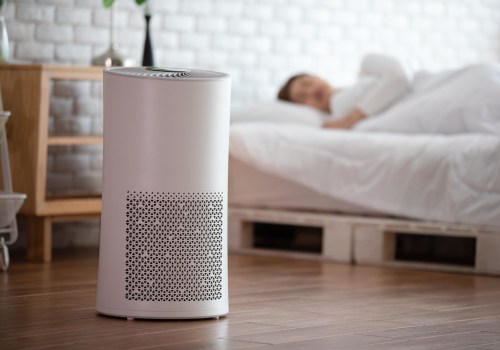
- Night Mode: If your unit has a night mode, activate it during sleep hours for quieter operation without compromising air quality.
Conclusion: Making an Informed Decision on Air Purifiers
In summary, the decision to invest in an air purifier for home use should be made with careful consideration of both its advantages and limitations. Throughout this article, we have explored the various mechanisms by which air purifiers operate, particularly focusing on HEPA filters and their effectiveness in capturing airborne particles such as dust, pollen, and pet dander. However, it is crucial to recognize that while these devices can significantly enhance indoor air quality, they are not a standalone solution.Understanding the specific needs of your household is essential.For instance, if you or your family members suffer from allergies or asthma, an air purifier can be a valuable addition to your home environment. It can help alleviate symptoms by reducing the concentration of allergens in the air. However, it is important to choose a model that is specifically designed to address the types of pollutants prevalent in your area.Moreover, it is vital to maintain realistic expectations regarding what an air purifier can achieve. While they are effective at removing particulate matter, they may not adequately address gaseous pollutants or volatile organic compounds (VOCs).
Therefore, combining the use of an air purifier with other strategies—such as regular cleaning, proper ventilation, and minimizing indoor pollution sources—will yield the best results.Additionally, consider factors such as the size of the space you wish to purify and the noise level of the device. Some models may be more suitable for larger areas or quieter operation than others. Regular maintenance, including timely filter changes, is also critical to ensure optimal performance.Ultimately, making an informed decision about an air purifier for home use involves weighing its benefits against its limitations. By doing thorough research and understanding your specific air quality needs, you can select a device that will contribute positively to your indoor environment.
With the right approach and expectations, an air purifier can indeed be a significant step towards achieving cleaner and healthier air in your home.