Indoor air quality (IAQ) is a critical yet often overlooked aspect of our living environments. It refers to the condition of the air within buildings and structures, particularly as it relates to the health and comfort of occupants. With many people spending up to 90% of their time indoors, understanding the factors that contribute to air pollution inside our homes is essential for maintaining a healthy lifestyle. Poor indoor air quality can lead to a range of health issues, from minor irritations like headaches and fatigue to more severe conditions such as respiratory diseases and cardiovascular problems.Common pollutants found in residential spaces include dust mites, pet dander, mold spores, volatile organic compounds (VOCs) emitted from household products, and even outdoor pollutants that infiltrate through windows and doors.
These contaminants can accumulate over time, especially in poorly ventilated areas, creating an environment that may exacerbate allergies and asthma. The significance of clean air cannot be overstated; it plays a vital role in our overall well-being and productivity.Moreover, the importance of maintaining good indoor air quality extends beyond just physical health. Psychological studies have shown that poor air quality can affect mood and cognitive function, leading to decreased productivity and increased stress levels. As we become more aware of these connections, investing in solutions like an air purifier for home use becomes not just a matter of comfort but a proactive step towards safeguarding our health.
What is an Air Purifier?
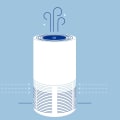
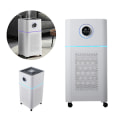
An air purifier is a device designed to remove contaminants from the air in a room or an entire building.These devices are particularly beneficial for individuals who suffer from allergies, asthma, or other respiratory conditions, as they help to create a cleaner and healthier indoor environment.Air purifiers utilize various technologies to filter out pollutants, including dust, pollen, pet dander, smoke, and even certain bacteria and viruses. By doing so, they significantly improve indoor air quality, making it safer for occupants.
Types of Air Purifiers
There are several types of air purifiers available on the market, each employing different methods to clean the air:- HEPA Filters: High-Efficiency Particulate Air (HEPA) filters are among the most effective at trapping small particles. They can capture up to 99.97% of particles that are 0.3 microns in size, including allergens and dust.
- Activated Carbon Filters: These filters are excellent for removing odors and volatile organic compounds (VOCs). The activated carbon absorbs gases and smells, making them ideal for kitchens or areas with strong odors.
- Ionic Purifiers: Ionic air purifiers release charged ions into the air that attach to particles, causing them to clump together and fall to the ground or stick to surfaces.
While they can be effective, they may produce ozone as a byproduct, which can be harmful in high concentrations.
- UV Light Purifiers: These purifiers use ultraviolet light to kill bacteria and viruses in the air. They are often used in conjunction with other filtration systems for enhanced effectiveness.
How Air Purifiers Work
The operation of an air purifier typically involves several steps:- Air Intake: The device draws in air from the surrounding environment through a fan.
- Filtration: The air passes through one or more filters that capture various pollutants. Depending on the type of purifier, this could involve HEPA filters, activated carbon filters, or other technologies.
- Treatment: In some models, additional treatments such as UV light may be applied to further eliminate pathogens.
- Clean Air Release: Finally, the purified air is released back into the room, providing a continuous cycle of clean air.
Health Benefits of Using an Air Purifier
Investing in an air purifier can significantly enhance your overall health and well-being. One of the primary benefits is the reduction of allergens in your home environment.Common indoor allergens such as dust mites, pet dander, mold spores, and pollen can trigger allergic reactions and exacerbate respiratory issues. An air purifier equipped with a HEPA filter effectively captures these microscopic particles, providing a cleaner atmosphere.Moreover, individuals suffering from asthma or other respiratory conditions can find relief through the use of an air purifier. By filtering out irritants like smoke, volatile organic compounds (VOCs), and other harmful pollutants, these devices help to create a more breathable environment. This is particularly important for children and the elderly, who may be more susceptible to the adverse effects of poor air quality.In addition to alleviating allergy symptoms and improving respiratory health, air purifiers can also contribute to better sleep quality.
Many people are unaware that allergens and pollutants can disrupt sleep patterns. By ensuring that the air you breathe at night is free from irritants, an air purifier can help you achieve deeper, more restorative sleep.Furthermore, some air purifiers come with features that neutralize odors and harmful gases. This is especially beneficial for households with pets or those who frequently cook indoors. By eliminating unpleasant smells and harmful fumes, these devices not only improve air quality but also enhance your living space's overall comfort.In summary, the health benefits of using an air purifier extend beyond mere convenience.
They play a crucial role in reducing allergens, improving respiratory health, and promoting better sleep. For anyone looking to invest in their health and create a safer home environment, an air purifier is a wise choice.
Common Indoor Pollutants and Their Sources
Indoor air quality is often compromised by a variety of pollutants that can significantly impact our health and well-being. Understanding these common indoor pollutants and their sources is crucial for anyone considering an air purifier for home use.Volatile Organic Compounds (VOCs)
Volatile Organic Compounds
, or VOCs, are a group of organic chemicals that can easily evaporate at room temperature. They are commonly found in many household products, including:
- Paints and varnishes
- Cleaning supplies
- Air fresheners
- Pesticides
- Building materials like adhesives and sealants
Proper ventilation and the use of an air purifier can help mitigate these risks.
Allergens
Allergens are another significant contributor to indoor air pollution. Common allergens include:- Dust mites: These microscopic creatures thrive in warm, humid environments, often residing in bedding, carpets, and upholstered furniture.
- Pet dander: Proteins found in the skin flakes, urine, and saliva of furry pets can trigger allergic reactions in sensitive individuals.
- Mold spores: Mold grows in damp areas and can release spores into the air, which can cause respiratory issues and allergic reactions.
Other Indoor Pollutants
In addition to VOCs and allergens, other pollutants such as carbon monoxide from gas appliances, formaldehyde from furniture, and particulate matter from cooking can also degrade indoor air quality. Each of these pollutants has its own sources and health implications.By identifying these common indoor pollutants and understanding their sources, homeowners can take proactive steps to improve their indoor air quality.Investing in an air purifier for home use is one effective strategy to combat these harmful substances and create a healthier living environment.
How to Choose the Right Air Purifier for Your Home
Choosing the right air purifier for home use can significantly enhance your indoor air quality, but with so many options available, it can be overwhelming. Here are some essential factors to consider when selecting the best air purifier for your needs:1.Room Size
The first step in choosing an air purifier is to determine the size of the room where it will be used. Air purifiers are rated for specific room sizes, typically measured in square feet. Make sure to select a model that can effectively cover the area of your space.For larger rooms, you may need a more powerful unit or multiple purifiers.
2.Filter Type
The type of filter used in an air purifier is crucial for its effectiveness. Here are some common filter types:- HEPA Filters: High-Efficiency Particulate Air (HEPA) filters are designed to capture 99.97% of particles as small as 0.3 microns, including dust, pollen, and pet dander.
- Activated Carbon Filters: These filters are excellent for removing odors and volatile organic compounds (VOCs) from the air, making them ideal for kitchens and areas with strong smells.
- Pre-Filters: Many air purifiers come with pre-filters that capture larger particles, extending the life of the main filter.
3.Noise Level
If you plan to use your air purifier in a bedroom or a quiet space, consider its noise level. Most manufacturers provide decibel ratings for their units. Look for models that operate quietly, especially on lower settings, to ensure a peaceful environment.4.Additional Features
Modern air purifiers come with various features that can enhance their usability:- Smart Technology: Some models offer Wi-Fi connectivity and smartphone apps that allow you to monitor air quality and control settings remotely.
- Air Quality Sensors: These sensors automatically adjust the purifier's settings based on real-time air quality readings.
- Filter Replacement Indicators: This feature alerts you when it's time to change the filter, ensuring optimal performance.
Investing in the right model will not only improve your indoor air quality but also contribute to a healthier living environment.
Air Purifier Maintenance and Care
To ensure that your air purifier for home operates at peak efficiency, regular maintenance is essential. Proper care not only extends the lifespan of the unit but also maximizes its ability to improve indoor air quality. Here are some key maintenance tips to keep in mind:Regular Filter Replacement
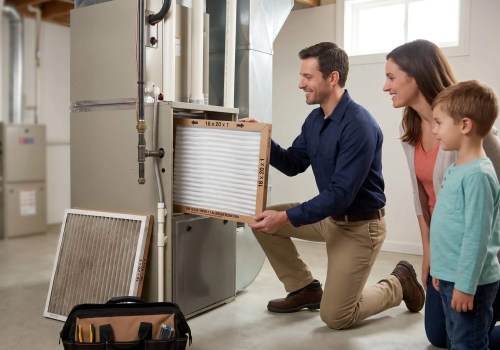
The most critical aspect of maintaining your air purifier is timely filter replacement. Filters capture dust, allergens, and other pollutants, but they can become clogged over time, reducing airflow and effectiveness.Here’s how to manage filter replacement:
- Check Manufacturer Guidelines: Each air purifier model has specific recommendations for filter replacement frequency. Typically, HEPA filters should be replaced every 6 to 12 months, while pre-filters may need changing every 1 to 3 months.
- Monitor Usage: If you use your air purifier continuously or have pets, you may need to replace filters more frequently. Keep an eye on the filter indicator light if your model has one.
- Visual Inspection: Regularly check the condition of the filters. If they appear discolored or dirty, it’s time for a change, even if you haven’t reached the recommended timeframe.
Cleaning the Unit
In addition to changing filters, keeping the air purifier clean is vital for optimal performance.Dust and debris can accumulate on the exterior and internal components:
- Wipe Down Surfaces: Use a soft, damp cloth to clean the outer surfaces of the unit regularly. Avoid using harsh chemicals that could damage the finish.
- Vacuum Air Intake and Outlet: Gently vacuum around the air intake and outlet grilles to remove dust buildup that could hinder airflow.
Placement Considerations
The location of your air purifier can significantly impact its efficiency. Ensure it is placed in a central location away from walls or furniture that could obstruct airflow. Avoid placing it in corners or behind curtains.Seasonal Checks
As seasons change, so do indoor air quality challenges.Conduct a thorough check of your air purifier at least twice a year:
- Inspect Filters: Change filters as needed based on seasonal allergens like pollen in spring or dust in winter.
- Test Performance: After maintenance, run the unit on high for a few hours to ensure it’s functioning correctly.
Cost vs. Value: Is an Air Purifier Worth the Investment?
When considering whether to invest in an air purifier for home, it's essential to weigh the initial costs against the long-term benefits. The price of air purifiers can vary significantly, ranging from around $50 for basic models to over $1,000 for high-end systems with advanced features. However, the cost should not be the only factor in your decision-making process.First, let’s break down the initial investment.A typical mid-range air purifier may cost between $200 and $500. This price often includes a HEPA filter, which is crucial for capturing small particles like dust, pollen, and pet dander. Additionally, consider the energy consumption of the unit; many modern air purifiers are designed to be energy-efficient, which can help mitigate ongoing electricity costs.Next, we must look at the maintenance costs. Most air purifiers require filter replacements every 6 to 12 months, depending on usage and the type of filter.
Replacement filters can range from $20 to $100 each. Regular maintenance is vital for ensuring that your air purifier operates effectively and continues to provide clean air.Now, let’s discuss the long-term benefits. Investing in an air purifier can lead to significant health improvements over time. For individuals with allergies or respiratory conditions such as asthma, cleaner air can mean fewer symptoms and less reliance on medication.
Studies have shown that improved indoor air quality can enhance overall well-being and productivity.Moreover, an air purifier can contribute to a healthier living environment by reducing indoor pollutants that can lead to chronic health issues. This includes volatile organic compounds (VOCs) emitted from household products and mold spores that thrive in damp conditions.In summary, while the upfront cost of an air purifier for home may seem daunting, the long-term health benefits and potential savings on medical expenses make it a worthwhile investment. By improving your indoor air quality, you are not just purchasing a device; you are investing in your health and well-being for years to come.
Frequently Asked Questions About Air Purifiers
When considering an air purifier for home, many people have questions and concerns. Below are some of the most frequently asked questions that can help clarify the benefits and functionalities of these devices.What is an air purifier and how does it work?
An air purifier is a device designed to remove contaminants from the air in a room.It typically uses a combination of filters, including HEPA filters, activated carbon filters, and sometimes UV light, to capture particles such as dust, pollen, pet dander, smoke, and even certain bacteria and viruses. The process involves drawing in air, filtering it through these systems, and then releasing cleaner air back into the environment.
Do air purifiers really work?
Yes, numerous studies have shown that air purifiers can significantly reduce indoor air pollutants. They are particularly effective in homes with pets or where smoking occurs. However, the effectiveness can vary based on the type of filter used and the size of the unit relative to the room size.Are air purifiers necessary if I have good ventilation?
While good ventilation is essential for maintaining indoor air quality, it may not be sufficient to eliminate all pollutants.Factors such as outdoor air quality, seasonal allergens, and indoor sources of pollution (like cooking fumes or cleaning products) can still compromise your air quality. An air purifier for home can complement ventilation by targeting specific contaminants that may not be adequately addressed through airflow alone.
Can air purifiers help with allergies?
Absolutely! Many individuals suffering from allergies find relief with the use of an air purifier. By removing allergens like pollen, dust mites, and pet dander from the air, these devices can help reduce allergy symptoms significantly.Are there any myths about air purifiers?
- Myth: Air purifiers eliminate all types of pollutants.
- Fact: While they are effective against many airborne particles, they may not remove gases or odors unless equipped with activated carbon filters.
- Myth: All air purifiers are noisy.
- Fact: Many modern models operate quietly and have adjustable fan speeds to suit your comfort level.
- Myth: Air purifiers require constant maintenance.
- Fact: While filters do need to be replaced periodically, many units come with indicators to remind you when it's time for maintenance.
Conclusion: The Importance of Clean Air at Home
In conclusion, the significance of maintaining clean air in our homes cannot be overstated.As we have explored throughout this article, the air quality within our living spaces directly impacts our health and well-being. Investing in an air purifier for home use is not merely a luxury; it is a necessity for anyone who values their health and the health of their loved ones.We have discussed how indoor air can be laden with pollutants, allergens, and harmful particles that can lead to respiratory issues, allergies, and other health complications. By utilizing an air purifier, you can effectively reduce these risks. These devices are designed to filter out a wide range of contaminants, including dust, pet dander, mold spores, and even volatile organic compounds (VOCs) emitted from household products.Moreover, the benefits of clean air extend beyond physical health.
Improved air quality can enhance your mood, increase productivity, and promote better sleep. When you breathe cleaner air, your body can function more efficiently, leading to a higher quality of life.As you consider the various options available on the market today, remember that not all air purifiers are created equal. Look for models equipped with HEPA filters, which are proven to capture 99.97% of particles as small as 0.3 microns. Additionally, consider features such as noise levels, energy efficiency, and maintenance requirements to find the best fit for your home.Ultimately, investing in an air purifier for home use is a proactive step towards safeguarding your health and creating a sanctuary where you can thrive.
Clean air is essential for a healthy lifestyle; by prioritizing it in your home environment, you are making a commitment to yourself and your family’s well-being.In summary, the importance of clean air at home is clear. With the right air purifier, you can take control of your indoor environment and ensure that every breath you take contributes positively to your health.