In today's world, where indoor air quality is often compromised by various pollutants, understanding air purifiers and their functionality is essential for anyone looking to improve their home environment. An air purifier for home use is designed to filter out harmful particles from the air, providing a cleaner and healthier living space. These devices are particularly beneficial for individuals suffering from allergies, asthma, or other respiratory conditions, as they can significantly reduce the presence of allergens such as dust mites, pollen, pet dander, and mold spores.So, how do these devices work? At their core, air purifiers utilize a combination of filtration systems to capture and eliminate airborne contaminants. Most commonly, they employ HEPA (High-Efficiency Particulate Air) filters that can trap particles as small as 0.3 microns with an efficiency of 99.97%.
This means that not only do they remove larger particles from the air, but they also effectively capture microscopic allergens that can trigger allergic reactions or exacerbate respiratory issues.In addition to HEPA filters, many modern air purifiers incorporate activated carbon filters to absorb odors and volatile organic compounds (VOCs), further enhancing indoor air quality. Some advanced models even feature UV light technology that kills bacteria and viruses, providing an extra layer of protection against airborne pathogens. By understanding the various types of filtration systems available, consumers can make informed decisions about which air purifier for home will best meet their specific needs.As we delve deeper into the pros and cons of using air purifiers for allergies, it becomes clear that while these devices offer significant benefits in improving air quality, they are not a one-size-fits-all solution. Factors such as room size, the type of pollutants present, and individual health conditions all play a crucial role in determining the effectiveness of an air purifier in any given household.
The Benefits of Using Air Purifiers for Allergies
For individuals suffering from allergies, the use of an air purifier for home can offer a multitude of benefits that significantly enhance their quality of life.Understanding these advantages is crucial for anyone considering investing in such a device.
1.Effective Allergen Removal
One of the primary benefits of air purifiers is their ability to effectively remove allergens from the air. These devices are designed to capture a wide range of particles, including:
- Pollen: A common trigger for seasonal allergies, pollen can easily infiltrate homes, especially during spring and fall.
- Dust Mites: These microscopic creatures thrive in household dust and can exacerbate allergy symptoms.
- Pet Dander: For pet owners, dander can be a significant source of allergens, and air purifiers can help mitigate this issue.
- Mold Spores: Mold can grow in damp areas of the home, releasing spores into the air that can trigger allergic reactions.
- Smoke and Odors: Air purifiers can also help eliminate smoke particles and unpleasant odors, contributing to a fresher indoor environment.
2.Improved Indoor Air Quality
Using an air purifier not only reduces allergens but also enhances overall indoor air quality. Poor air quality can lead to various health issues, including respiratory problems and fatigue. By filtering out harmful pollutants, air purifiers create a healthier living space.
This is particularly beneficial for individuals with pre-existing conditions such as asthma or chronic obstructive pulmonary disease (COPD).
3.Potential Health Benefits
The health benefits associated with cleaner air are substantial. Studies have shown that improved air quality can lead to:
- Reduced Allergy Symptoms: Many users report fewer sneezing fits, less nasal congestion, and overall relief from allergy symptoms when using an air purifier.
- Better Sleep Quality: Cleaner air can contribute to better sleep by reducing nighttime allergy symptoms and creating a more comfortable sleeping environment.
- Enhanced Focus and Productivity: Improved air quality has been linked to better cognitive function, which can enhance focus and productivity at home or in workspaces.
Types of Air Purifiers: Which One is Right for You?
When it comes to selecting an air purifier for home use, understanding the different types available can significantly impact your decision. Each type of air purifier operates on distinct principles and is designed to tackle specific air quality issues.Here’s a breakdown of the most common types:
- HEPA Filters: High-Efficiency Particulate Air (HEPA) filters are renowned for their ability to capture at least 99.97% of particles that are 0.3 microns in size. This includes dust, pollen, pet dander, and even some bacteria and viruses. If you suffer from allergies or asthma, a HEPA filter is often considered the best choice due to its efficiency in trapping allergens.
- Activated Carbon Filters: These filters excel at removing odors and volatile organic compounds (VOCs) from the air. They work by adsorbing gases and chemicals onto their surface.
If your primary concern is smoke, cooking odors, or chemical fumes, an activated carbon filter may be the right option for you.
- UV Light Purifiers: Ultraviolet (UV) light purifiers use UV light to kill bacteria, viruses, and mold spores in the air. While they are effective at sterilizing airborne pathogens, they do not remove particulate matter like dust or pollen. Therefore, they are often used in conjunction with HEPA filters for comprehensive air purification.
- Ionic Purifiers: These devices release charged ions into the air, which attach to particles and cause them to clump together and fall out of the air. However, some ionic purifiers can produce ozone as a byproduct, which may be harmful to health.
It’s essential to choose models that are certified as ozone-free.
- If allergies are your main concern, opt for a unit with a HEPA filter.
- If you want to eliminate odors or chemical pollutants, look for one with an activated carbon filter.
- For those concerned about germs and bacteria, a combination of HEPA and UV light may provide the best results.
Potential Drawbacks of Air Purifiers
While air purifiers can offer significant benefits for those suffering from allergies, it is crucial to consider their potential drawbacks before making a purchase. Understanding these limitations can help you make an informed decision about whether an air purifier for home use is the right choice for your specific needs.1.Financial Investment
One of the most immediate concerns when considering an air purifier is the cost. High-quality models can range from a few hundred to over a thousand dollars. Additionally, there are ongoing expenses associated with maintaining these devices:
- Filter Replacement: Most air purifiers require regular filter changes, which can add up over time.
Depending on the model and type of filter, replacements may be needed every few months, costing anywhere from $20 to $100 each time.
- Energy Consumption: Running an air purifier continuously can lead to increased electricity bills. While many modern units are energy-efficient, it’s still important to factor in the potential rise in utility costs.
2.Maintenance Requirements
Air purifiers require regular maintenance to function effectively. This includes:
- Cleaning: Some models have pre-filters that need to be cleaned periodically to ensure optimal performance.
- Monitoring Air Quality: Users must be vigilant about monitoring air quality levels and adjusting settings accordingly, which can be cumbersome.
3.Limitations in Pollutant Removal
While air purifiers excel at removing certain airborne particles, they are not a catch-all solution for every type of pollutant:
- Chemical Pollutants: Many air purifiers struggle with volatile organic compounds (VOCs) and other chemical pollutants that may be present in household products.
- Embedded Allergens: Allergens such as dust mites and pet dander can reside in carpets, upholstery, and other surfaces. Air purifiers may not eliminate these sources of allergens entirely, necessitating additional cleaning efforts.
- Ozone Emission: Some air purifiers, particularly those that use ionization technology, can produce ozone as a byproduct.
Ozone can be harmful to respiratory health, especially for individuals with pre-existing conditions.
4.False Sense of Security
Finally, relying solely on an air purifier may create a false sense of security regarding indoor air quality. While these devices can significantly improve air conditions, they should not replace other essential practices such as regular cleaning and proper ventilation.In conclusion, while an air purifier for home use can provide relief from allergens and improve overall air quality, it is essential to weigh these potential drawbacks against the benefits. By understanding the limitations and responsibilities associated with air purifiers, you can make a more informed decision that best suits your health needs and lifestyle.
Air Quality Considerations: When to Use an Air Purifier
Understanding when to use an air purifier for home is crucial for maintaining optimal indoor air quality. Several factors can influence the decision to invest in an air purifier, and recognizing the signs that indicate a need for cleaner air can significantly enhance your living environment.Indoor Air Quality Factors
- Pollutant Sources: Common sources of indoor air pollution include tobacco smoke, cooking fumes, pet dander, mold spores, and dust mites.
If your home has any of these pollutants, an air purifier can help mitigate their effects.
- Location: Residents in urban areas or near industrial sites may experience higher levels of outdoor pollution. In such cases, using an air purifier can be beneficial in filtering out harmful particles that infiltrate your home.
- Seasonal Changes: During certain seasons, pollen counts can rise significantly. If you or your family members suffer from allergies, using an air purifier during peak pollen seasons can help reduce symptoms.
- Humidity Levels: High humidity can lead to mold growth and dust mite proliferation. An air purifier equipped with a dehumidifying feature can help control moisture levels while filtering out allergens.
Signs You Need an Air Purifier
- Frequent Allergies: If you notice persistent sneezing, coughing, or itchy eyes, it may be time to consider an air purifier.
These symptoms often indicate the presence of airborne allergens.
- Unpleasant Odors: Lingering smells from cooking, pets, or smoke can indicate poor air quality. An air purifier can help eliminate these odors by trapping odor-causing particles.
- Visible Dust Accumulation: If you find yourself dusting frequently or noticing a buildup of dust on surfaces, it may suggest that your indoor air quality is compromised. An air purifier can help reduce the amount of dust circulating in your home.
- Mold Growth: If you see mold in damp areas of your home, it’s essential to address the source of moisture and consider using an air purifier to capture mold spores that may be released into the air.
How to Choose the Right Air Purifier for Your Home
Choosing the right air purifier for home use can significantly impact your indoor air quality and overall health, especially for those suffering from allergies.Here are some essential factors to consider when selecting an air purifier:
- Room Size: One of the first steps in choosing an air purifier is to determine the size of the room where it will be used. Air purifiers are rated for specific room sizes, typically measured in square feet. Make sure to select a model that can effectively cover the area of your space. For larger rooms, consider getting a unit with a higher Clean Air Delivery Rate (CADR).
- Filter Type: The type of filter used in an air purifier is crucial for its effectiveness.
HEPA filters are highly recommended as they can capture 99.97% of particles as small as 0.3 microns, including dust, pollen, and pet dander. Some models also include activated carbon filters that help eliminate odors and volatile organic compounds (VOCs). Be sure to check how often filters need to be replaced and factor this into your long-term costs.
- Noise Levels: Noise can be a significant concern, especially if you plan to use the air purifier in a bedroom or quiet space. Look for models that offer multiple fan speeds and check the decibel ratings.
Many modern air purifiers operate quietly on lower settings, making them suitable for nighttime use.
- Additional Features: Consider what extra features might enhance your experience. Some air purifiers come with smart technology that allows you to control them via smartphone apps or voice commands. Others may include air quality sensors that automatically adjust the fan speed based on current air quality levels. Features like timers, filter change indicators, and energy-efficient modes can also add convenience.
Additionally, consider your budget; while some high-end models offer advanced features, there are many affordable options that still provide excellent filtration capabilities.Ultimately, selecting the right air purifier for home use involves balancing your specific needs with the features available in various models. By taking the time to evaluate these factors, you can make an informed decision that will help improve your indoor air quality and alleviate allergy symptoms.
Maintaining Your Air Purifier: Tips for Longevity and Efficiency
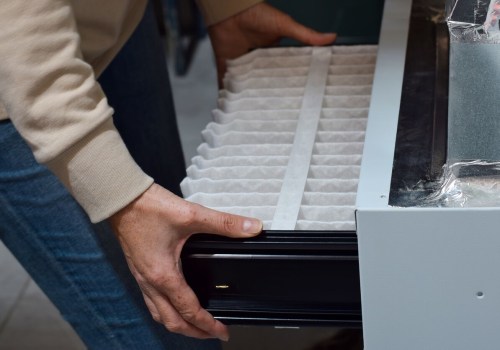
To ensure that your air purifier for home operates at peak efficiency and lasts for many years, regular maintenance is essential. Here are some practical tips to help you maintain your air purifier effectively:- Regular Filter Replacement: One of the most critical aspects of air purifier maintenance is changing the filters. Depending on the model and usage, filters should typically be replaced every 6 to 12 months.
Check the manufacturer’s guidelines for specific recommendations. A clogged filter can significantly reduce the device's efficiency and may even release trapped pollutants back into the air.
- Clean Pre-Filters: Many air purifiers come with pre-filters that capture larger particles like dust and pet hair. These can often be washed or vacuumed to extend their life. Cleaning pre-filters every month can help maintain airflow and improve overall performance.
- Wipe Down the Exterior: Dust and grime can accumulate on the outside of your air purifier, which can affect its operation.
Use a damp cloth to wipe down the exterior regularly, ensuring that vents and controls remain unobstructed.
- Monitor Air Quality Indicators: Many modern air purifiers come equipped with air quality indicators that alert you when it’s time to change filters or when air quality is poor. Pay attention to these indicators to keep your device functioning optimally.
- Avoid Overworking Your Purifier: While it may be tempting to run your air purifier continuously, doing so can lead to faster wear and tear. Instead, use it in conjunction with good ventilation practices, such as opening windows when outdoor air quality is acceptable.
- Keep It in a Suitable Location: Place your air purifier in a location where it can circulate air freely. Avoid corners or areas blocked by furniture.
Ideally, it should be positioned at least a few feet away from walls or other obstructions.
Frequently Asked Questions About Air Purifiers and Allergies
When considering an air purifier for home use, many individuals have questions about their effectiveness, especially regarding allergies. Below are some frequently asked questions that can help clarify the role of air purifiers in managing allergy symptoms.Do air purifiers really help with allergies?
Yes, air purifiers can significantly help alleviate allergy symptoms by removing airborne allergens such as pollen, dust mites, pet dander, and mold spores. By filtering these particles from the air, they can create a cleaner indoor environment, which is particularly beneficial for individuals with respiratory issues or allergies.What types of air purifiers are best for allergies?
The most effective air purifiers for allergies are those equipped with HEPA (High-Efficiency Particulate Air) filters.These filters can capture at least 99.97% of particles that are 0.3 microns in size, including many common allergens. Additionally, some models may include activated carbon filters to help reduce odors and volatile organic compounds (VOCs).
How often should I run my air purifier?
For optimal results, it is recommended to run your air purifier continuously, especially during allergy season or when pollen counts are high. Many modern units come with smart features that allow them to adjust their operation based on air quality levels.Can I use an air purifier in just one room?
Yes, you can use an air purifier for home in a single room. However, for maximum effectiveness, it’s best to choose a unit that is appropriately sized for the room where it will be used.If you have multiple rooms where allergens are a concern, consider investing in additional units or a larger model that can cover more space.
Are there any downsides to using air purifiers?
While air purifiers offer numerous benefits, there are some potential downsides to consider. They require regular maintenance, including filter replacements, which can add to the overall cost. Additionally, some models may produce noise that could be disruptive in quiet environments. It's also important to note that while they reduce airborne allergens, they do not eliminate all sources of allergens in your home.In summary, understanding how air purifiers work and their limitations can help you make an informed decision about incorporating them into your allergy management strategy.Conclusion: Weighing the Pros and Cons of Air Purifiers for Allergy Relief
In conclusion, the decision to incorporate an air purifier for home use, particularly for allergy relief, requires careful consideration of both its advantages and disadvantages.As we have explored, air purifiers can significantly enhance indoor air quality by filtering out allergens such as dust mites, pollen, pet dander, and mold spores. This can lead to a noticeable reduction in allergy symptoms for many individuals, providing a more comfortable living environment.However, it is essential to recognize that air purifiers are not a one-size-fits-all solution. While they can effectively reduce airborne particles, they may not eliminate all sources of allergens present in your home. For instance, allergens can also reside in carpets, upholstery, and other surfaces, necessitating regular cleaning and maintenance to achieve optimal results.Moreover, the type of air purifier you choose plays a crucial role in its effectiveness.
HEPA filters are widely regarded as the safest and most efficient option for trapping small particles without releasing harmful byproducts like ozone. On the other hand, some electronic air filters may produce ozone gas, which can exacerbate respiratory issues rather than alleviate them.Financial considerations also come into play when deciding on an air purifier. The initial investment can be substantial, and ongoing costs such as filter replacements should not be overlooked. It is advisable to assess your specific needs—whether you are combating pet allergies or seasonal pollen—and weigh these against your budget.Ultimately, consulting with a healthcare professional can provide personalized insights into whether an air purifier for home use is suitable for your situation.
By understanding both the benefits and limitations of these devices, you can make an informed choice that aligns with your health goals and lifestyle.In summary, while air purifiers offer promising benefits for allergy sufferers, they should be viewed as part of a broader strategy for managing indoor air quality and allergens. Regular cleaning practices and awareness of your environment will complement the use of an air purifier, leading to a healthier home overall.