In today’s world, where air quality is increasingly compromised by pollution, allergens, and pathogens, understanding the role of an air purifier for homeair purifier for home use has never been more critical. An air purifier is a device designed to remove contaminants from the air in a room or an entire home, significantly enhancing indoor air quality. These devices are particularly beneficial for individuals with allergies, asthma, or other respiratory conditions, as they help create a healthier living environment. So, how do air purifiers work? At their core, these devices utilize various filtration technologies to capture and eliminate harmful particles from the air. Most commonly, they employ HEPA (High-Efficiency Particulate Air) filters that can trap up to 99.97% of particles as small as 0.3 microns.
This includes dust, pollen, pet dander, and even some bacteria and viruses. Additionally, many modern air purifiers incorporate activated carbon filters to absorb odors and volatile organic compounds (VOCs), further purifying the air we breathe. The benefits of integrating an air purifier into your home extend beyond just cleaner air. Improved air quality can lead to better sleep, enhanced mood, and increased productivity. Moreover, by reducing airborne pollutants, these devices can help minimize the risk of respiratory infections and other health issues.
As we spend more time indoors—especially in the wake of recent global events—the importance of maintaining a clean and safe indoor environment cannot be overstated. As we delve deeper into the advantages of incorporating an air purifier into HVAC systems, it becomes clear that these devices are not merely optional; they are essential for promoting overall well-being in our homes. Understanding their functionality is the first step toward making informed decisions about improving your indoor air quality.
The Importance of Indoor Air Quality
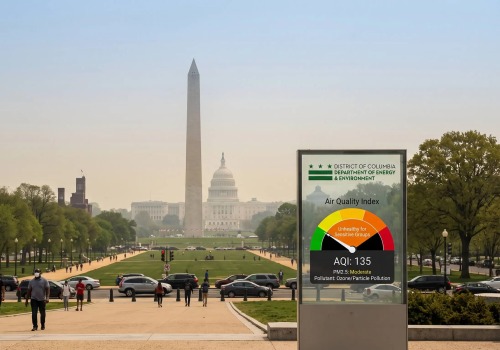
Maintaining good indoor air quality (IAQ) is essential for the overall health and well-being of individuals and families. Many people spend a significant portion of their time indoors, making it crucial to ensure that the air they breathe is clean and free from harmful pollutants. Poor indoor air quality can lead to a variety of health issues, some of which may not be immediately apparent.One of the primary concerns associated with poor air quality is the presence of indoor air pollutants.These can include dust mites, pet dander, mold spores, volatile organic compounds (VOCs), and even bacteria and viruses. When these contaminants accumulate in the home, they can trigger a range of health problems, particularly for vulnerable populations such as children, the elderly, and those with pre-existing respiratory conditions.
Health Risks Linked to Indoor Air Pollution
The effects of poor indoor air quality can manifest in various ways:- Respiratory Issues: Exposure to airborne pollutants can exacerbate asthma and other respiratory conditions. Symptoms may include coughing, wheezing, and shortness of breath.
- Allergic Reactions: Many individuals are sensitive to allergens like dust mites and mold. Poor IAQ can lead to increased allergy symptoms such as sneezing, runny nose, and itchy eyes.
- Headaches and Fatigue: Prolonged exposure to indoor pollutants can result in chronic headaches and fatigue, affecting productivity and overall quality of life.
- Long-term Health Effects: Some studies suggest that long-term exposure to certain indoor air pollutants may increase the risk of developing serious health conditions, including cardiovascular diseases and lung cancer.
By investing in an air purifier for home, individuals can significantly reduce the concentration of harmful particles in their living spaces. This not only enhances comfort but also promotes a healthier environment for everyone in the household.In conclusion, understanding the importance of indoor air quality is vital for maintaining a safe and healthy home. By recognizing the effects of poor air quality and taking proactive measures to improve it through effective air purification solutions, homeowners can safeguard their health and enhance their overall living experience.
How Air Purifiers Enhance HVAC Systems
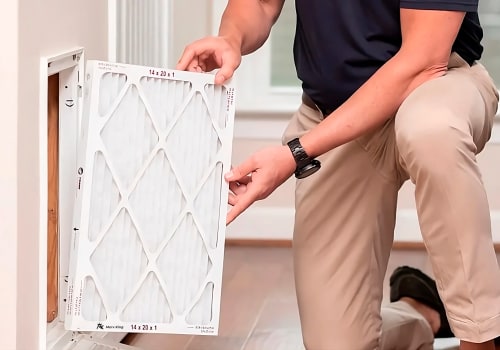
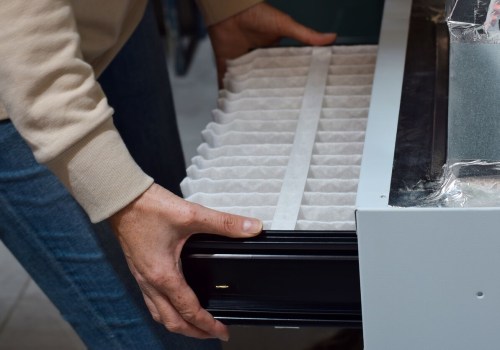
Integrating an air purifier for HVAC systems significantly enhances the overall performance of your home’s heating, ventilation, and air conditioning (HVAC) system. This integration not only improves air quality but also contributes to the efficiency and longevity of the HVAC system itself.One of the primary benefits of adding an air purifier to your HVAC system is the improved air quality.Air purifiers are designed to capture and eliminate a wide range of airborne pollutants, including dust, pollen, pet dander, and smoke. By filtering these contaminants, air purifiers help create a cleaner indoor environment, which is especially beneficial for individuals with allergies or respiratory issues.Moreover, the presence of an air purifier can lead to reduced allergens circulating throughout your home. Traditional HVAC filters may not be sufficient to trap smaller particles that can trigger allergic reactions. High-efficiency particulate air (HEPA) filters used in many air purifiers can capture particles as small as 0.3 microns, effectively reducing allergens and improving overall comfort.In addition to enhancing air quality, integrating an air purifier into your HVAC system can also lead to increased energy efficiency.
When your HVAC system has to work harder to circulate unfiltered air filled with pollutants, it consumes more energy. By using an air purifier, you can reduce the burden on your HVAC system, allowing it to operate more efficiently and potentially lowering your energy bills.Furthermore, a well-maintained air purification system can extend the lifespan of your HVAC equipment. By reducing the amount of dust and debris that enters the system, you minimize wear and tear on components such as fans and coils. This proactive approach can save homeowners significant costs associated with repairs or premature replacements.Lastly, whole-house air purification systems provide a comprehensive solution for maintaining indoor air quality throughout your home.
Unlike portable units that only purify the air in a single room, whole-house systems ensure that every corner of your living space benefits from clean air. This holistic approach not only enhances comfort but also promotes better health for all occupants.In summary, incorporating an air purifier for home HVAC systems offers numerous advantages including improved air quality, reduced allergens, increased energy efficiency, and extended equipment lifespan. Investing in such technology is a wise decision for any homeowner looking to enhance their indoor environment.
Types of Air Purifiers for Home Use
When it comes to enhancing indoor air quality, understanding the different types of air purifiers available for home use is essential. Each type serves a unique purpose and can be tailored to fit specific needs and environments.The two primary categories are whole-house air purifiers and portable air purifiers , each with its own set of advantages and considerations.
Whole-House Air Purifiers
Whole-house air purifiers are integrated directly into your existing HVAC system. This means that they work in conjunction with your heating and cooling systems to filter the air throughout your entire home. Here are some key benefits:- Comprehensive Coverage: These systems purify the air in every room, ensuring that all areas of your home benefit from cleaner air.
- Convenience: Once installed, they operate automatically without the need for manual intervention, making them a hassle-free option.
- Energy Efficiency: By working with your HVAC system, whole-house purifiers can help maintain optimal airflow and reduce energy costs.
Portable Air Purifiers
On the other hand, portable air purifiers are standalone units that can be moved from room to room as needed.They are particularly useful for targeted purification in specific areas. Here are some advantages:
- Flexibility: You can place them wherever you need them most, such as bedrooms or living rooms, making them ideal for homes with varying air quality issues.
- Lower Initial Cost: Portable units generally have a lower upfront cost compared to whole-house systems, making them accessible for many homeowners.
- No Installation Required: These units are easy to set up; simply plug them in and start using them right away.
Choosing the Best Air Purifier for Your Home
The best choice between a whole-house or portable air purifier depends on several factors:- Home Size: Larger homes may benefit more from a whole-house system, while smaller spaces might only require portable units.
- Specific Needs: If you have allergies or respiratory issues, consider a unit with HEPA filters for maximum efficiency.
- Budget: Evaluate both initial costs and long-term maintenance expenses when making your decision.
Key Features to Look for in an Air Purifier
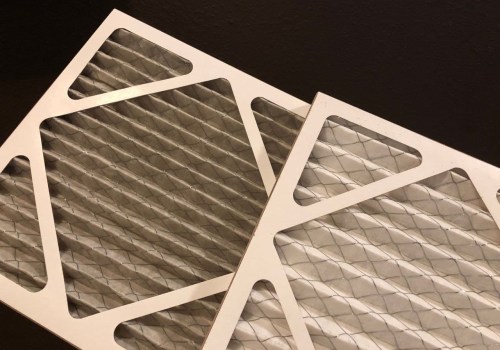
When selecting an air purifier for home, understanding the key features can significantly enhance your decision-making process. Here are some essential aspects to consider:- Filter Types: The type of filter is one of the most critical features of an air purifier. HEPA filters (High-Efficiency Particulate Air) are highly recommended as they can capture 99.97% of particles that are 0.3 microns in size, including dust, pollen, and pet dander.
This makes them particularly effective for allergy sufferers and those with respiratory issues.
- Activated Carbon Filters: In addition to HEPA filters, many air purifiers include activated carbon filters that absorb odors and harmful gases, such as volatile organic compounds (VOCs). This feature is especially beneficial in homes with pets or strong cooking odors.
- UV Light Technology: Some advanced air purifiers incorporate UV light technology, which helps to kill bacteria and viruses in the air. This added layer of protection can be particularly valuable during flu season or in households with immunocompromised individuals.
- Noise Levels: Consider the noise level of the air purifier, especially if you plan to use it in a bedroom or a quiet space. Look for models that offer a range of fan speeds, allowing you to adjust the noise level according to your needs.
- Air Quality Sensors: Many modern air purifiers come equipped with air quality sensors that monitor the level of pollutants in real-time.
These sensors can automatically adjust the purifier's settings based on the detected air quality, ensuring optimal performance.
- Energy Efficiency: Energy-efficient models not only save on electricity bills but also contribute to a more sustainable environment. Look for units with the ENERGY STAR label, which indicates they meet strict energy efficiency guidelines.
- Portability: If you plan to move your air purifier from room to room, consider its weight and design. Some models are lightweight and come with handles or wheels for easy transport.
Installation Considerations for Air Purifiers in HVAC Systems
Integrating an air purifier for home use into your HVAC system is a significant step towards enhancing indoor air quality. However, the installation process requires careful consideration to ensure optimal performance and efficiency.Here are some key factors to keep in mind when planning the installation of an air purifier in your HVAC system.
Professional Installation Benefits
While some homeowners may consider a DIY approach to installing an air purifier, enlisting the help of a professional is often the best choice. Here are several reasons why:- Expertise: Professionals have the training and experience necessary to handle complex HVAC systems. They understand how to integrate air purifiers effectively without disrupting existing components.
- Safety: HVAC systems involve electrical components and ductwork that can pose safety risks if not handled correctly. Professionals are equipped to manage these risks safely.
- Optimal Performance: A professional installer can ensure that the air purifier is positioned correctly within the system, maximizing its efficiency and effectiveness in purifying the air.
- Warranty Protection: Many manufacturers require professional installation to maintain warranty coverage.
Installing the unit yourself could void this warranty, leading to potential costs down the line.
DIY vs. Professional Installation
For those who are handy and have some experience with home improvement projects, a DIY installation might seem appealing. However, it’s essential to weigh the pros and cons:- Cost Savings: DIY installations can save on labor costs, but this should be balanced against potential mistakes that could lead to additional expenses.
- Time Investment: Installing an air purifier can be time-consuming, especially if you encounter unexpected challenges. Professionals can typically complete the job more quickly.
- Knowledge Gap: Without a thorough understanding of HVAC systems, you may overlook critical aspects of installation that could affect performance.
Their expertise ensures that your system operates efficiently and effectively, providing you with clean air for years to come.
Cost Analysis: Investing in Air Purification Technology
When considering the addition of an air purifier for home systems, it is essential to conduct a thorough cost analysis. This analysis not only encompasses the initial purchase and installation costs but also evaluates the long-term savings and health benefits associated with improved air quality.Initial Costs
The upfront investment for an air purifier can vary significantly based on the type and model chosen. Whole-house air purifiers, which integrate directly into your existing HVAC system, typically range from $1,000 to $3,000, including installation. In contrast, portable air purifiers can be more affordable, with prices ranging from $100 to $800.
However, while portable units may seem less expensive initially, they often require multiple units to cover larger spaces effectively.
Return on Investment (ROI)
Investing in an air purifier can yield substantial returns over time. Improved air quality can lead to fewer respiratory issues and allergies, which translates to reduced medical expenses. According to studies, households that utilize air purification technology report a decrease in doctor visits and medication costs related to asthma and allergy treatments. Additionally, cleaner air can enhance productivity and overall well-being, contributing to a healthier lifestyle.
Energy Efficiency
Another critical aspect of cost analysis is the energy efficiency of air purifiers.
Modern systems are designed to operate efficiently without significantly increasing energy bills. Many whole-house air purifiers utilize advanced filtration technologies that not only clean the air but also optimize airflow within the HVAC system. This optimization can lead to lower energy consumption by allowing your HVAC system to work more effectively.For instance, a well-maintained air purifier can reduce the workload on your HVAC system by filtering out dust and allergens that would otherwise clog filters and ducts. This reduction in strain can extend the lifespan of your HVAC unit and decrease maintenance costs over time.
Long-Term Savings
Incorporating an air purifier into your home’s HVAC system is not just about immediate costs; it’s also about long-term savings.
By improving indoor air quality, you may experience fewer health-related expenses and lower energy bills. Furthermore, many manufacturers offer warranties on their products, ensuring that your investment is protected for years to come.In conclusion, while the initial cost of an air purifier for home systems may seem significant, the potential savings on health-related expenses and energy bills make it a worthwhile investment. By conducting a comprehensive cost analysis, homeowners can make informed decisions that benefit both their health and their wallets.
Real-Life Benefits: Case Studies and Testimonials
Integrating an air purifier for home use within HVAC systems has led to remarkable improvements in indoor air quality, as evidenced by numerous case studies and testimonials from satisfied homeowners. These real-life examples highlight the tangible benefits that come from investing in air purification technology.Case Study 1: The Johnson Family
The Johnsons, a family of four living in a suburban neighborhood, struggled with seasonal allergies and frequent respiratory issues.
After installing a whole-house air purifier in their HVAC system, they reported a significant reduction in allergy symptoms. Mrs. Johnson noted, "Since we added the air purifier, my children no longer wake up with stuffy noses or itchy eyes. It’s been a game-changer for our family’s health!" This case illustrates how an air purifier for home use can alleviate allergy-related discomfort.
Case Study 2: The Smiths' Pet Dilemma
The Smith family, who own two dogs and a cat, faced challenges with pet dander and odors affecting their indoor environment.
After consulting with an HVAC professional, they decided to integrate an air purifier into their existing system. Mr. Smith shared, "We noticed a difference within days! The air feels fresher, and the pet smells have significantly decreased. Our guests even comment on how clean our home smells now!" This testimonial underscores the effectiveness of air purifiers in homes with pets.
Case Study 3: The Garcia Home Renovation
During a major renovation, the Garcias were concerned about dust and airborne particles affecting their family's health.
They opted to install a high-efficiency particulate air (HEPA) filter as part of their HVAC system. Post-installation, Mrs. Garcia remarked, "We were amazed at how much cleaner the air felt during construction. We could breathe easier, and there was less dust settling on surfaces." This case highlights the protective benefits of air purifiers during home improvement projects.
Testimonials from Health Professionals
- Dr.
Emily Chen, an allergist:
"I often recommend patients consider installing an air purifier for home use as part of their overall allergy management plan. The results can be profound, especially for those with chronic respiratory conditions." - Dr. Mark Thompson, a pulmonologist: "Air purifiers can significantly reduce airborne irritants and allergens, leading to improved lung function and overall health for my patients."
Frequently Asked Questions About Air Purifiers in HVAC Systems
When considering the integration of an air purifier for home use within your HVAC system, many questions may arise.Below are some frequently asked questions that can help clarify common concerns and provide valuable insights.
What is the primary function of an air purifier in an HVAC system?
An air purifier's main role is to enhance indoor air quality by removing contaminants such as dust, pollen, pet dander, smoke, and even harmful microorganisms. When integrated into an HVAC system, it works continuously to filter the air circulating throughout your home, ensuring that you breathe cleaner air.How do I know if I need an air purifier?
If you or your family members suffer from allergies, asthma, or other respiratory issues, an air purifier can significantly improve your living environment. Additionally, if you live in an area with high pollution levels or have pets that shed fur and dander, investing in a quality air purifier is advisable.Can I install an air purifier myself?
While some portable air purifiers are easy to set up and require no professional assistance, integrating a whole-house air purifier into your HVAC system typically requires expert installation. It’s essential to hire a qualified technician who understands both HVAC systems and air purification technology to ensure optimal performance.What maintenance do air purifiers require?
Regular maintenance is crucial for the efficiency of your air purifier.This includes:
- Filter Replacement: Depending on the type of filter used, it may need to be replaced every 3 to 12 months.
- Cleaning: Some components may require periodic cleaning to prevent dust buildup.
- System Checks: Regular checks by a professional can help identify any issues before they become significant problems.
Are there any drawbacks to using an air purifier?
While the benefits of using an air purifier for home systems are substantial, there are a few potential drawbacks to consider:- Noisy Operation: Some models can be noisy, especially at higher settings.
- Initial Cost: The upfront cost of purchasing and installing a whole-house system can be significant.
- Ozone Emission: Certain types of purifiers may produce ozone as a byproduct, which can be harmful in high concentrations.
Conclusion: The Future of Indoor Air Quality Management
As we look towards the future of indoor air quality management, it becomes increasingly clear that integrating air purifiers for home systems is not just a luxury but a necessity. The ongoing challenges posed by environmental pollutants, allergens, and pathogens highlight the critical role that air purification plays in maintaining a healthy living environment.Throughout this article, we have explored the multifaceted benefits of incorporating air purifiers into HVAC systems. From enhancing overall air quality to reducing the presence of harmful microorganisms, these systems serve as a frontline defense against indoor air pollution. The importance of clean air cannot be overstated, especially for vulnerable populations such as children, the elderly, and those with pre-existing health conditions.Moreover, the integration of advanced technologies in air purification—such as HEPA filters and UV-C light systems—has revolutionized how we approach indoor air quality.These innovations not only improve filtration efficiency but also contribute to energy savings and lower operational costs over time. As homeowners become more aware of the health implications associated with poor air quality, the demand for effective solutions like whole-house air purifiers is expected to rise.In addition to health benefits, investing in an air purifier for home systems can lead to long-term financial savings. By reducing the need for frequent HVAC maintenance and improving system efficiency, homeowners can enjoy lower energy bills while ensuring their families breathe cleaner air.As we move forward, it is essential for homeowners to stay informed about the latest advancements in air purification technology and to consult with HVAC professionals when considering upgrades to their systems. The future of indoor air quality management lies in our ability to adapt and invest in solutions that prioritize health and well-being.In conclusion, integrating air purifiers into HVAC systems is a proactive step towards safeguarding our indoor environments.
By prioritizing clean air, we not only enhance our quality of life but also contribute to a healthier future for generations to come.