In an era where indoor air quality is increasingly recognized as a critical component of overall health, understanding HEPA filters is essential for anyone considering an air purifier for home use. HEPA, which stands for High-Efficiency Particulate Air, refers to a type of air filter that can trap a significant amount of very small particles that other filters might miss. This capability makes HEPA filters particularly valuable in environments where allergens, dust, and other pollutants can accumulate, affecting the well-being of occupants.A HEPA filter is defined by its ability to remove at least 99.97% of particles that are 0.3 microns in diameter from the air that passes through it. This includes common allergens such as pollen, pet dander, and mold spores, as well as finer particles like smoke and dust.
The effectiveness of these filters is not just a marketing gimmick; it is backed by rigorous testing and standards set by organizations such as the U. S. Department of Energy. Understanding this definition is crucial for consumers who want to ensure they are investing in a product that genuinely enhances their indoor air quality.When exploring the basics of air purifiers, it’s important to note that not all filters are created equal.
While many air purifiers may claim to have HEPA-like capabilities, only those that meet the strict criteria can be labeled as true HEPA filters. This distinction is vital for consumers who wish to make informed decisions about their air purification needs. As we delve deeper into the various grades of HEPA filters, it will become clear how these differences impact their performance and suitability for home use.
What Are HEPA Filter Grades?
HEPA filters, or High-Efficiency Particulate Air filters, are classified into different grades based on their filtration efficiency. Understanding these grades is essential for selecting the right air purifier for home use, as they determine how effectively the filter can capture airborne particles.The classification system ranges from H10 to H14, with each grade representing a specific level of performance.
H10 Filters:
The H10 grade is the entry-level classification in the HEPA filter series. These filters can capture at least 85% of particles that are 0.3 microns in size. While they provide a basic level of filtration, they may not be sufficient for households with specific air quality concerns, such as allergies or respiratory issues.
H11 Filters:
Moving up the scale, H11 filters offer improved efficiency, capturing around 95% of particles at the same size. This grade is often recommended for general home use, as it strikes a balance between cost and performance.
H11 filters are effective at reducing allergens like pollen, dust mites, and pet dander.
H12 Filters:
H12 filters take filtration a step further by capturing 99.5% of particles down to 0.3 microns. This level of efficiency makes them suitable for environments where air quality is a significant concern, such as homes with smokers or individuals with asthma.
H13 Filters:
Known as medical-grade HEPA filters, H13 filters are capable of trapping 99.95% of particles at 0.3 microns. These filters are often used in hospitals and laboratories due to their high efficiency in removing harmful pathogens and allergens from the air.
H14 Filters:
The highest grade in the HEPA classification system, H14 filters can capture an impressive 99.995% of particles down to 0.3 microns. This level of filtration is essential in critical environments where air purity is paramount, such as clean rooms and surgical theaters.When selecting an air purifier for home use, it’s crucial to consider not only the grade of the HEPA filter but also the specific needs of your household.
Higher-grade filters may come with a higher price tag but offer significantly better protection against airborne pollutants.
The Science Behind HEPA Filters
Understanding the science behind HEPA filters is essential for anyone looking to improve their indoor air quality. HEPA, which stands for High-Efficiency Particulate Air, refers to a type of air filter that can trap a significant amount of very small particles that other air filters might miss. The effectiveness of HEPA filters lies in their unique design and the principles of particle filtration they employ.HEPA filters operate based on three primary mechanisms: interception , impaction , and diffusion. Each of these mechanisms plays a crucial role in how particles are captured:- Interception: This occurs when particles follow the airflow and come into contact with the fibers of the filter.
If a particle is close enough to a fiber, it will stick to it, effectively removing it from the air stream.
- Impaction: Larger particles are unable to navigate the twists and turns of the filter's fibers due to their mass and inertia. As a result, they collide with the fibers and become trapped.
- Diffusion: This mechanism primarily affects smaller particles, particularly those less than 0.1 microns in size. These particles move erratically due to Brownian motion, increasing their chances of colliding with filter fibers and being captured.
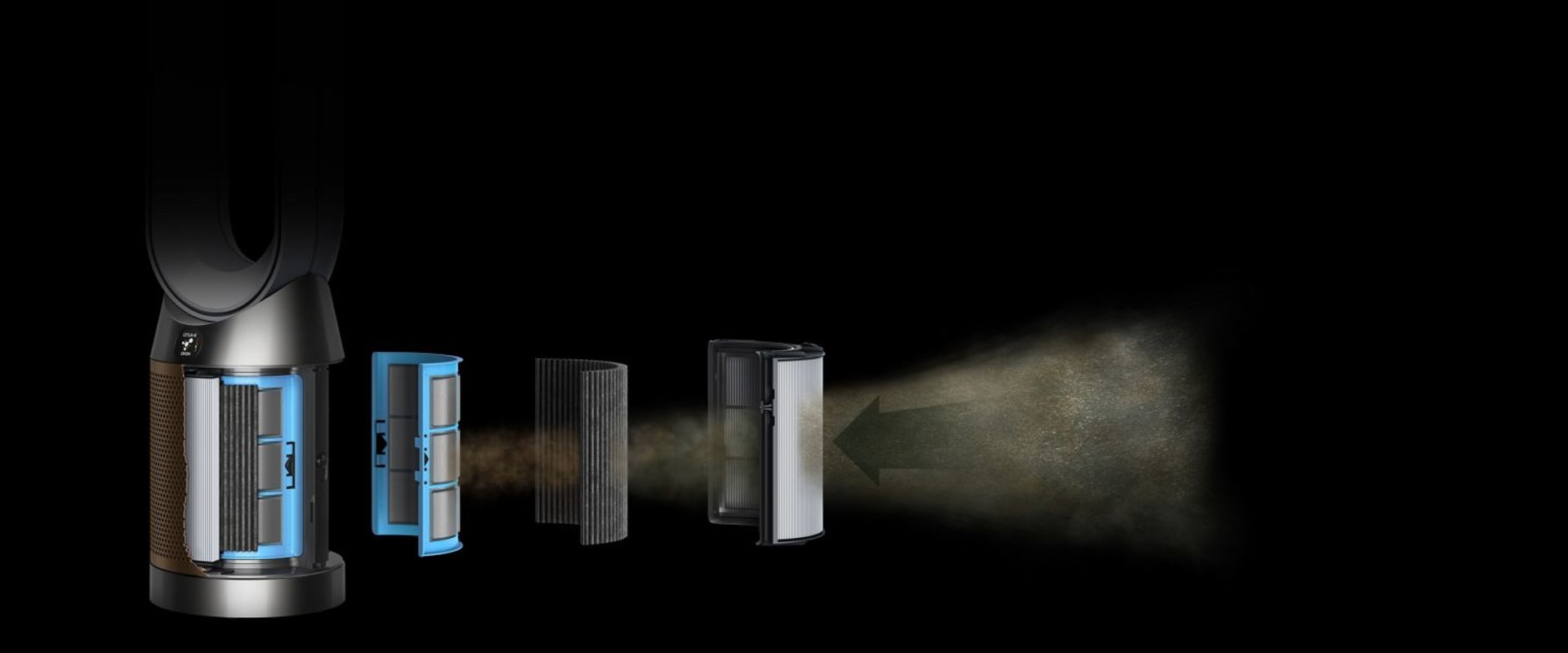
They are typically made from a mat of randomly arranged fibers, often composed of fiberglass or synthetic materials. The density and arrangement of these fibers create a labyrinth-like structure that maximizes the surface area available for capturing particles while maintaining airflow.In addition to their mechanical filtration capabilities, some HEPA filters may also incorporate advanced technologies such as activated carbon layers or UV light systems. These enhancements can further improve air purification by adsorbing odors and volatile organic compounds (VOCs) or by neutralizing pathogens.In summary, the effectiveness of HEPA filters in an air purifier for home use is rooted in their sophisticated design and the scientific principles governing particle filtration. By understanding how these filters work, consumers can make informed choices about which air purification systems will best meet their needs for cleaner indoor air.
Comparing HEPA Filter Grades: H10 to H14
When it comes to selecting the right HEPA filter for your air purifier, understanding the differences between the various grades—H10, H11, H12, H13, and H14—is essential.Each grade offers distinct capabilities in terms of particle filtration efficiency, making them suitable for different environments and needs.
H10 HEPA Filters
The H10 grade is the entry-level in the HEPA classification. It can capture approximately 85% of particles that are 0.3 microns in size. While this may seem adequate for general household use, it is less effective against smaller particles such as smoke or allergens. H10 filters are often found in budget-friendly air purifiers and are suitable for spaces with minimal air quality concerns.H11 HEPA Filters
Moving up the scale, H11 filters provide a higher level of filtration, capturing about 95% of particles down to 0.3 microns.This makes them a better choice for homes with pets or individuals who suffer from allergies. They strike a balance between cost and performance, making them a popular option for many households.
H12 HEPA Filters
The H12 grade offers even greater efficiency, filtering out 99.5% of particles at the same size threshold. This level of filtration is ideal for environments where air quality is a significant concern, such as homes with smokers or those located in urban areas with high pollution levels. Investing in an H12 filter can lead to noticeable improvements in indoor air quality.H13 HEPA Filters
H13 filters are often referred to as medical-grade HEPA filters due to their ability to remove 99.95% of particles down to 0.3 microns.These filters are commonly used in hospitals and laboratories where air purity is critical. For homeowners seeking the best protection against allergens, dust mites, and other harmful particles, an H13 filter is an excellent choice.
H14 HEPA Filters
At the top of the HEPA filter hierarchy is the H14 grade, which boasts an impressive 99.995% efficiency in capturing particles down to 0.3 microns. This level of filtration is essential in environments that require stringent air quality standards, such as clean rooms and surgical theaters. While they may come at a higher price point, H14 filters provide unparalleled protection and are ideal for those with severe respiratory issues or allergies.In summary, when comparing HEPA filter grades from H10 to H14, it’s crucial to consider your specific needs and environment.Higher-grade filters like H13 and H14 offer superior protection but may also come with increased costs. Ultimately, choosing the best HEPA filter grade will depend on your individual circumstances and air quality requirements.
Medical-Grade HEPA Filters: H13 and H14 Explained
When it comes to ensuring optimal air quality, especially in sensitive environments such as hospitals, laboratories, and homes with allergy sufferers, medical-grade HEPA filters are the gold standard. The two most recognized grades in this category are the H13 and H14 filters, both of which offer exceptional filtration capabilities that surpass standard HEPA filters.Understanding H13 Filters
The H13 filter is designed to capture at least 99.95% of airborne particles that are 0.3 microns in size. This includes a wide range of contaminants such as dust, pollen, pet dander, and even some bacteria and viruses.
The efficiency of H13 filters makes them particularly beneficial for:
- Allergy Relief: By effectively trapping allergens, H13 filters can significantly reduce symptoms for individuals with allergies or asthma.
- Improved Respiratory Health: In environments where air quality is compromised, using an H13 filter can help mitigate respiratory issues by providing cleaner air.
- Enhanced Comfort: Cleaner air contributes to overall comfort in living spaces, making it easier to breathe and enjoy daily activities.
The Advantages of H14 Filters
Taking filtration a step further, the H14 filter boasts an impressive efficiency rate of 99.995%. This means it can capture even smaller particles than the H13 filter, making it ideal for environments that demand the highest air quality standards. The advantages of using an H14 filter include:
- Superior Protection: With its ability to trap nearly all airborne particles, the H14 filter is essential in medical facilities where infection control is critical.
- Longer Lifespan: Although H14 filters may be more expensive initially, their durability and efficiency can lead to lower replacement costs over time.
- Peace of Mind: Knowing that your air purifier is equipped with an H14 filter provides reassurance that you are taking significant steps to protect your health and well-being.
Choosing the Right Air Purifier for Your Home
When it comes to selecting the best air purifier for home use, understanding the various factors that influence your choice is essential.With a plethora of options available, making an informed decision can significantly enhance your indoor air quality and overall well-being.
1.Filter Grade
The grade of the filter is one of the most critical aspects to consider. As discussed earlier, HEPA filters come in different grades, with H13 and H14 being the most efficient. These filters can capture up to 99.995% of particles as small as 0.3 microns, making them ideal for households with allergy sufferers or individuals with respiratory issues. When evaluating air purifiers, always check the HEPA filter grade to ensure you are investing in a product that meets your air quality needs.
2.Room Size
Another vital factor is the size of the room where you plan to use the air purifier.
Each model is designed to cover a specific square footage effectively. If you choose a unit that is too small for your space, it may not adequately filter the air, leading to subpar performance. Conversely, using a larger unit in a small room may result in unnecessary energy consumption.
3.Noise Level
Noise can be a significant concern, especially if you plan to use the air purifier in a bedroom or living area. Look for models that offer multiple fan speeds and operate quietly on lower settings.
Many modern air purifiers are designed with noise reduction technology, ensuring they can run efficiently without disturbing your daily activities or sleep.
4.Maintenance and Filter Replacement
Consider how often you will need to replace the filters and what maintenance is required for optimal performance. Some air purifiers have washable pre-filters that can extend the life of the HEPA filter, while others may require more frequent replacements. Understanding these requirements will help you budget for ongoing costs associated with maintaining your air purifier.
5.Additional Features
- Smart Technology: Many modern air purifiers come equipped with smart features that allow you to monitor air quality levels and control settings via smartphone apps.
- Air Quality Sensors: Some units include built-in sensors that automatically adjust fan speed based on real-time air quality readings.
- Filter Change Indicators: This feature alerts you when it’s time to replace the filter, ensuring optimal performance at all times.
Common Misconceptions About HEPA Filters
When it comes to HEPA filters and air purifiers, there are numerous misconceptions that can lead to confusion among consumers. Understanding these myths is essential for making informed decisions about air quality in your home.Myth 1: All HEPA Filters Are the Same
One of the most prevalent misconceptions is that all HEPA filters provide the same level of filtration.
In reality, HEPA filters come in various grades, each designed to capture different sizes of particles. For instance, while true HEPA filters (H13 and H14) can trap 99.95% and 99.995% of particles down to 0.3 microns, lower-grade filters (H10 to H12) may not offer the same level of protection. Therefore, it’s crucial to check the filter grade when selecting an air purifier.
Myth 2: HEPA Filters Eliminate All Airborne Contaminants
Another common myth is that HEPA filters can remove all types of airborne pollutants. While they are highly effective at capturing dust, pollen, pet dander, and some bacteria, they do not eliminate gases or odors.
For comprehensive air purification, consider an air purifier that combines HEPA filtration with activated carbon filters, which can absorb volatile organic compounds (VOCs) and unpleasant smells.
Myth 3: Air Purifiers Are Only Necessary for Allergies
Many people believe that air purifiers are only beneficial for those suffering from allergies or asthma. However, air purifiers can significantly improve indoor air quality for everyone by reducing exposure to harmful pollutants such as smoke, mold spores, and particulate matter from cooking or cleaning products. This makes them a valuable addition to any home.
Myth 4: You Don’t Need to Replace HEPA Filters Regularly
Some consumers think that once they invest in a HEPA filter, it will last indefinitely. In truth, HEPA filters require regular replacement to maintain their effectiveness.
Depending on usage and environmental factors, it’s advisable to change the filter every 6 to 12 months. Always refer to the manufacturer’s guidelines for specific recommendations.
Myth 5: All Air Purifiers Are Noisy
Noise levels are often a concern for potential buyers. While some older models may have been noisy, advancements in technology have led to the development of quieter air purifiers. Many modern units operate at low decibel levels, making them suitable for use in bedrooms or offices without causing disturbances.By debunking these common myths about HEPA filters and air purifiers, consumers can make better choices that enhance their indoor air quality and overall health.
Maintenance and Replacement of HEPA Filters
Maintaining your HEPA filter and air purifier is essential for ensuring that they operate at peak efficiency.Regular maintenance not only prolongs the life of your devices but also guarantees that the air you breathe remains clean and free from harmful pollutants.
How Often Should You Replace HEPA Filters?
The frequency of replacing HEPA filters can vary based on several factors, including the type of air purifier, the environment in which it operates, and the specific needs of your household. Generally, it is recommended to replace HEPA filters every 6 to 12 months. However, if you have pets, live in a high-pollution area, or suffer from allergies, you may need to change them more frequently.To determine when to replace your filter, consider the following:
- Manufacturer Guidelines: Always refer to the user manual provided by the manufacturer for specific recommendations regarding filter replacement.
- Filter Indicator Lights: Many modern air purifiers come equipped with indicator lights that alert you when it’s time to change the filter.
- Visual Inspection: If your filter appears discolored or clogged with dust and debris, it’s a good sign that it needs replacing.
Caring for Your Air Purifier
In addition to replacing HEPA filters regularly, proper care of your air purifier is crucial. Here are some tips to keep your device functioning optimally:
- Regular Cleaning: Dust and clean the exterior of your air purifier regularly.
Use a soft cloth and avoid harsh chemicals that could damage the unit.
- Check Pre-Filters: Some air purifiers have pre-filters that capture larger particles before they reach the HEPA filter. These should be cleaned or replaced according to the manufacturer's instructions.
- Avoid Overworking: Ensure that your air purifier is appropriately sized for the room it’s in. An undersized unit will have to work harder, leading to faster wear and tear.
<strong>Conclusion</strong>
In conclusion, understanding the various grades of HEPA filters is essential for anyone looking to invest in an air purifier for home use.The effectiveness of these filters can significantly impact the quality of air you breathe, which in turn affects your overall health and well-being. Throughout this guide, we have explored the different HEPA filter grades, ranging from H10 to H14, and highlighted their respective capabilities in trapping airborne particles.To summarize:
- HEPA Filter Grades: The grades indicate the filter's efficiency in capturing particles of varying sizes. H10 to H12 filters are considered true HEPA filters, while H13 and H14 are classified as medical-grade filters.
- Particle Removal Efficiency: Higher-grade filters like H13 and H14 can remove up to 99.995% of particles down to 0.3 microns, making them ideal for environments where air quality is paramount.
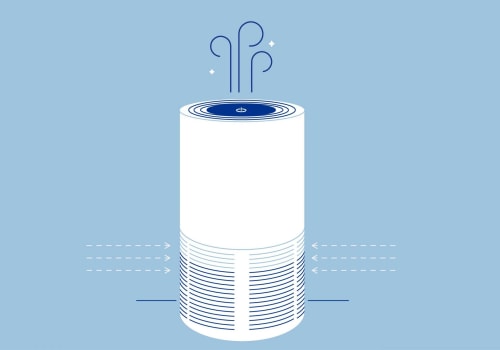
- Design Considerations: For a HEPA filter to function effectively, it must be integrated into a system that ensures all air passes through it. This is particularly important for portable air purifiers designed for home use.
- Cost vs.
Benefit:
While higher-grade HEPA filters may come with a higher price tag, the investment is often justified by the superior air quality they provide.
Make an informed choice and enjoy the benefits of cleaner air in your home.