In today's world, where we spend a significant portion of our lives indoors, the quality of the air we breathe has become a pressing concern. Whole-house air purifiers have emerged as a vital solution for maintaining optimal indoor air quality. Unlike traditional room air purifiers that target specific areas, whole-house systems integrate seamlessly into your home's existing HVAC system, ensuring that every room benefits from cleaner, healthier air. This comprehensive approach not only enhances comfort but also contributes to overall well-being.The importance of investing in an air purifier for home use cannot be overstated.
With increasing levels of indoor pollutants—ranging from dust and allergens to volatile organic compounds (VOCs) emitted by household products—having a reliable air purification system is essential. Whole-house air purifiers are designed to capture these harmful particles, providing a continuous flow of purified air throughout your living space. This is particularly beneficial for families with children, elderly members, or individuals with respiratory conditions who may be more susceptible to the effects of poor air quality.Moreover, whole-house air purifiers offer the convenience of maintenance and efficiency. By filtering the air at the source, they reduce the need for multiple devices scattered throughout the home, simplifying upkeep and ensuring consistent performance.
As we delve deeper into the features and benefits of these systems, it becomes clear that they are not just an investment in technology but a commitment to a healthier lifestyle.
How Whole-House Air Purifiers Work
Whole-house air purifiers are sophisticated systems designed to enhance indoor air quality by integrating seamlessly with your home’s existing HVAC (Heating, Ventilation, and Air Conditioning) system. Understanding how these systems work can help you appreciate their value in maintaining a healthy living environment.Integration with HVAC Systems
Whole-house air purifiers are typically installed directly into the ductwork of your HVAC system. This strategic placement allows the purifier to treat the air as it circulates throughout your home. When your HVAC system operates, it draws air from various rooms, passes it through the air purifier, and then distributes the cleaned air back into the living spaces.This integration not only ensures that every room benefits from purified air but also allows for continuous operation.
Unlike portable air purifiers that require manual placement and movement, whole-house systems work automatically with your heating and cooling cycles.
The Air Purification Process
The purification process in whole-house systems typically involves several stages:
- Pre-Filter: The first line of defense is a pre-filter that captures larger particles such as dust, hair, and lint. This step is crucial as it prolongs the life of subsequent filters.
- HEPA Filter: Next, the air passes through a High-Efficiency Particulate Air (HEPA) filter, which is capable of trapping 99.97% of particles as small as 0.3 microns. This includes allergens like pollen, pet dander, and mold spores.
- Activated Carbon Filter: Many whole-house purifiers also include an activated carbon filter that absorbs odors and volatile organic compounds (VOCs) from household products.
- UV Light Technology: Some advanced models incorporate UV light technology to neutralize bacteria and viruses, providing an additional layer of protection against airborne pathogens.
Benefits of Whole-House Air Purifiers
The benefits of using a whole-house air purifier extend beyond just cleaner air. They can help reduce allergy symptoms, improve respiratory health, and even enhance overall comfort by reducing dust accumulation in your home.
Additionally, because they work with your HVAC system, they require less maintenance than multiple portable units scattered throughout your home.In summary, whole-house air purifiers represent a comprehensive solution for improving indoor air quality. By understanding their operation and benefits, homeowners can make informed decisions about investing in these essential systems for a healthier living environment.
Benefits of Whole-House Air Purifiers
Investing in a whole-house air purifier offers numerous benefits that extend beyond mere convenience. These systems are designed to enhance indoor air quality, which can lead to significant improvements in health, comfort, and even property value.Improved Health Outcomes
One of the most compelling reasons to consider a whole-house air purifier is the positive impact on health. Poor indoor air quality has been linked to various health issues, including:- Respiratory Problems: Airborne pollutants such as dust, pollen, and pet dander can exacerbate asthma and allergies.
A whole-house air purifier effectively reduces these irritants, leading to fewer respiratory issues.
- Cardiovascular Health: Studies have shown that long-term exposure to indoor air pollution can increase the risk of heart disease. By filtering out harmful particles, these systems contribute to better cardiovascular health.
- Reduced Illness: Clean air can help strengthen the immune system, reducing the likelihood of illnesses such as colds and flu.
Enhanced Comfort
A whole-house air purifier not only cleans the air but also enhances overall comfort within your home. Here’s how:- Odor Elimination: These systems can effectively remove unpleasant odors from cooking, pets, and other sources, creating a fresher living environment.
- Humidity Control: Some advanced models come with humidity control features that help maintain optimal moisture levels, preventing mold growth and improving comfort.
- Consistent Air Quality: Unlike portable units that may only clean the air in one room at a time, whole-house systems ensure that every room benefits from cleaner air.
Increased Property Value
Investing in a whole-house air purifier can also enhance your property’s value. Potential buyers are increasingly aware of the importance of indoor air quality.A home equipped with an effective air purification system can stand out in the real estate market. This investment not only improves your living conditions but also makes your home more attractive to future buyers.In summary, the benefits of whole-house air purifiers are multifaceted. From promoting better health outcomes and enhancing comfort to increasing property value, these systems represent a worthwhile investment for any homeowner looking to improve their indoor environment.
Choosing the Right Whole-House Air Purifier
When it comes to selecting the right whole-house air purifier, several critical factors must be taken into account to ensure you make an informed decision that best suits your home and health needs. Here are some essential considerations:- Home Size: The first step in choosing an air purifier is to assess the size of your home.
Whole-house air purifiers are designed to cover larger areas, typically ranging from 1,500 to 3,000 square feet. Make sure to select a model that can effectively circulate air throughout your entire living space.
- Type of Pollutants: Different air purifiers target various pollutants. If you have pets, look for models with HEPA filters that can capture pet dander and hair. For homes in urban areas, consider purifiers that can filter out smoke and smog.
Understanding the specific pollutants in your environment will help you choose a more effective unit.
- Filter Efficiency: The efficiency of the filters used in the air purifier is crucial. Look for units with HEPA filters, which can trap 99.97% of particles as small as 0.3 microns. Additionally, consider models with activated carbon filters for odor removal and VOC (volatile organic compounds) reduction.
- Noise Levels: Some air purifiers can be quite noisy, which may be disruptive, especially during nighttime use. Check the decibel ratings of different models and opt for one that operates quietly while still providing effective purification.
- Maintenance Requirements: Regular maintenance is vital for optimal performance.
Investigate how often filters need to be replaced and whether the unit has any additional maintenance needs. Some models come with indicator lights that alert you when it’s time for a filter change.
- Energy Efficiency: Since whole-house air purifiers run continuously, energy consumption is an important factor. Look for Energy Star-rated models that consume less electricity while still delivering high performance.
Installation Process for Whole-House Air Purifiers
Installing a whole-house air purifier is a significant step towards improving your indoor air quality.However, the installation process can vary depending on whether you choose to hire a professional or tackle the project yourself. Below, we will explore both options, providing insights into what to expect during the setup.
Professional Installation
Opting for professional installation is often the most straightforward choice, especially for those who may not be comfortable with HVAC systems. Here are some key points to consider:- Expertise: Professionals have the training and experience necessary to install air purifiers correctly, ensuring optimal performance.
- Assessment: A qualified technician will assess your home’s HVAC system and recommend the best air purifier model based on your specific needs.
- Time-Saving: Hiring a professional can save you time and effort, as they can complete the installation quickly and efficiently.
- Warranty Protection: Many manufacturers require professional installation to maintain warranty coverage, so this option can provide peace of mind.
DIY Installation
If you are handy and prefer a more cost-effective approach, DIY installation is also an option. Here’s what you need to know:- Research: Before starting, thoroughly research your chosen air purifier model and its installation requirements.
Most manufacturers provide detailed guides.
- Tools Required: Ensure you have the necessary tools on hand, such as screwdrivers, pliers, and possibly a drill.
- Follow Instructions: Carefully follow the manufacturer’s instructions for installation. This typically involves connecting the purifier to your HVAC system and ensuring proper airflow.
- Safety Precautions: Always prioritize safety by turning off power to your HVAC system before beginning any work.
Maintenance Tips for Whole-House Air Purifiers
Maintaining your whole-house air purifier is essential for ensuring optimal performance and longevity. Regular maintenance not only enhances the efficiency of the unit but also contributes to better indoor air quality.Here are some practical tips to help you keep your air purifier in top shape.
1.Understand Your Filter Replacement Schedule
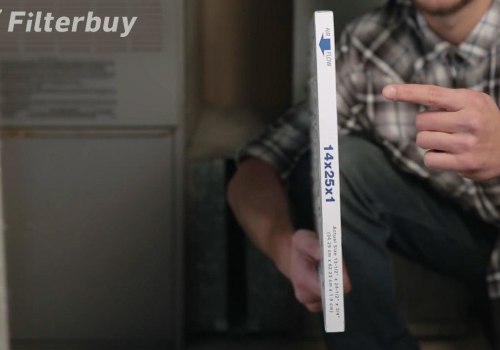
One of the most critical aspects of air purifier maintenance is adhering to a filter replacement schedule. Filters can become clogged with dust, allergens, and other pollutants over time, reducing the unit's effectiveness. Here’s how to manage your filter replacements:- Check Manufacturer Guidelines: Always refer to the user manual for specific recommendations on how often to replace filters. Most manufacturers suggest changing filters every 3 to 12 months, depending on usage and environmental factors.
- Monitor Air Quality: If you live in an area with high pollution levels or have pets, consider replacing filters more frequently.
A good rule of thumb is to check filters every month and replace them as needed.
- Use Filter Change Reminders: Set reminders on your phone or calendar to help you remember when it’s time for a filter change.
2.Regularly Clean the Unit
In addition to changing filters, keeping the air purifier itself clean is vital. Dust and debris can accumulate on the exterior and internal components, hindering airflow and efficiency. Follow these steps for effective cleaning:- Wipe Down Surfaces: Use a soft, damp cloth to wipe down the exterior of the unit at least once a month. Avoid using harsh chemicals that could damage the finish.
- Vacuum Dust from Vents: Use a vacuum cleaner with a brush attachment to gently remove dust from the vents and grilles of the air purifier.
- Inspect Internal Components: If you’re comfortable doing so, periodically open the unit (following manufacturer instructions) to check for dust buildup inside.
Use a soft brush or cloth to clean any accessible areas.
3.Ensure Proper Placement
The location of your air purifier can significantly impact its performance. Make sure it is placed in an area with good airflow, away from obstructions like furniture or curtains. This will allow it to effectively circulate air throughout your home.By following these maintenance tips, you can ensure that your whole-house air purifier operates efficiently and continues to provide clean, healthy air for you and your family. Regular upkeep not only prolongs the life of your unit but also enhances your overall indoor air quality.Common Myths About Whole-House Air Purifiers
When it comes to whole-house air purifiers, there are numerous misconceptions that can lead to confusion and misinformation.Understanding the facts behind these myths is essential for making informed decisions about your indoor air quality. Here, we will debunk some of the most common myths surrounding whole-house air purifiers.
Myth 1: Whole-House Air Purifiers Are Only for Allergies
While it’s true that many people invest in air purifiers to alleviate allergy symptoms, whole-house air purifiers serve a broader purpose. They are designed to remove a variety of pollutants, including dust, pet dander, mold spores, smoke, and even volatile organic compounds (VOCs) from household products. This means they can significantly improve overall indoor air quality, not just for allergy sufferers.
Myth 2: One Air Purifier Can Clean the Entire House
This myth often stems from the assumption that a single unit can effectively purify air in every room.
However, the effectiveness of an air purifier depends on its coverage area and the layout of your home. Whole-house air purifiers are integrated into your HVAC system and can circulate clean air throughout the entire house, but portable units may struggle to reach every corner unless strategically placed.
Myth 3: Air Purifiers Eliminate All Pollutants
While whole-house air purifiers are effective at reducing many airborne contaminants, they do not eliminate all pollutants. For instance, they may not be able to remove larger particles or certain gases completely. It’s important to combine the use of an air purifier with other methods of maintaining indoor air quality, such as proper ventilation and regular cleaning.
Myth 4: They Require Constant Maintenance
Many people believe that maintaining a whole-house air purifier is overly complicated and time-consuming.
In reality, while regular filter changes are necessary to ensure optimal performance, these systems are designed for convenience. Most require minimal maintenance compared to portable units, which may need more frequent attention due to their smaller size and limited capacity.
Myth 5: Whole-House Air Purifiers Are Too Expensive
While the initial investment in a whole-house air purifier can be higher than that of portable models, it’s essential to consider the long-term benefits. These systems often provide better coverage and efficiency, leading to lower energy costs over time. Additionally, improved indoor air quality can contribute to better health outcomes, potentially reducing medical expenses related to respiratory issues.By debunking these myths about whole-house air purifiers, homeowners can make more informed choices about their indoor air quality solutions.
Understanding the true capabilities and limitations of these systems is crucial for maximizing their benefits.
Frequently Asked Questions (FAQs)
When considering a whole-house air purifier, potential buyers often have numerous questions. Below are some of the most frequently asked questions (FAQs) that can help clarify common concerns and provide valuable insights.What is a whole-house air purifier?
A whole-house air purifier is a system integrated into your home’s HVAC (heating, ventilation, and air conditioning) system. It works to filter and purify the air throughout your entire home, rather than just in one room. This type of system is designed to remove a wide range of pollutants, including dust, allergens, smoke, and even odors.How do I know if I need a whole-house air purifier?
If you or your family members suffer from allergies, asthma, or other respiratory issues, a whole-house air purifier may be beneficial.Additionally, if you live in an area with high levels of outdoor pollution or have pets that contribute to indoor allergens, this system can significantly improve your indoor air quality.
What maintenance is required for whole-house air purifiers?
Regular maintenance is essential for optimal performance. This includes:- Filter Replacement: Filters should be replaced according to the manufacturer’s guidelines, typically every 6 to 12 months.
- System Cleaning: The unit itself should be cleaned periodically to prevent dust buildup and ensure efficient operation.
- Professional Inspections: Consider having your system inspected by a professional annually to ensure everything is functioning correctly.
Can I install a whole-house air purifier myself?
While some homeowners may attempt a DIY installation, it is generally recommended to hire a professional. Proper installation ensures that the system integrates seamlessly with your HVAC system and operates efficiently.What should I do if my air purifier isn’t working properly?
If you encounter issues with your whole-house air purifier, consider the following troubleshooting tips:- Check the Power Supply: Ensure that the unit is plugged in and receiving power.
- Inspect Filters: Clogged or dirty filters can hinder performance; replace them if necessary.
- Look for Obstructions: Ensure that there are no blockages around the unit that could impede airflow.
- Consult the Manual: Refer to the user manual for specific troubleshooting steps related to your model.
Conclusion: Making an Informed Decision on Whole-House Air Purifiers
In conclusion, selecting the right whole-house air purifier is a critical step towards ensuring a healthier indoor environment. Throughout this guide, we have explored various factors that influence the effectiveness of air purifiers, including the size of your home, the types of pollutants present, and the importance of proper maintenance.When considering a whole-house air purifier, it is essential to assess the size of your living space.Larger homes may require more powerful units or multiple purifiers to achieve optimal air quality. Conversely, smaller spaces might only need a single unit to effectively filter out contaminants.Understanding the specific pollutants in your home is equally important. Different air purifiers are designed to target various types of particles, such as allergens, smoke, or volatile organic compounds (VOCs). By identifying the primary sources of pollution in your environment, you can choose a purifier that best meets your needs.Moreover, the placement of your air purifier can significantly impact its performance.
Ensuring that it is situated in an area with good airflow will enhance its ability to circulate and clean the air throughout your home.Regular maintenance cannot be overstated. Keeping filters clean and replacing them as recommended will ensure that your air purifier operates at peak efficiency. Neglecting maintenance can lead to reduced performance and may even exacerbate indoor air quality issues.Ultimately, investing in a high-quality whole-house air purifier is an investment in your health and well-being. By making an informed decision based on the factors discussed in this guide, you can create a cleaner, safer indoor environment for you and your family.
Remember that every home is unique; take the time to evaluate your specific needs and choose wisely for optimal results.