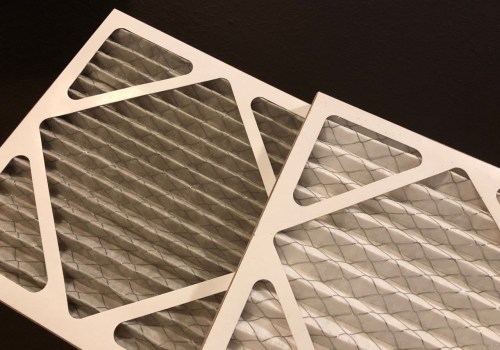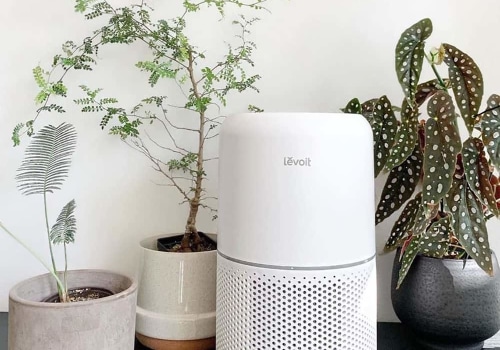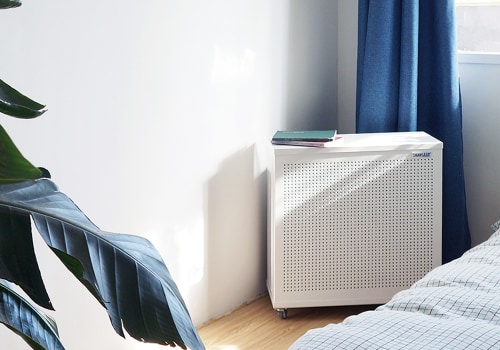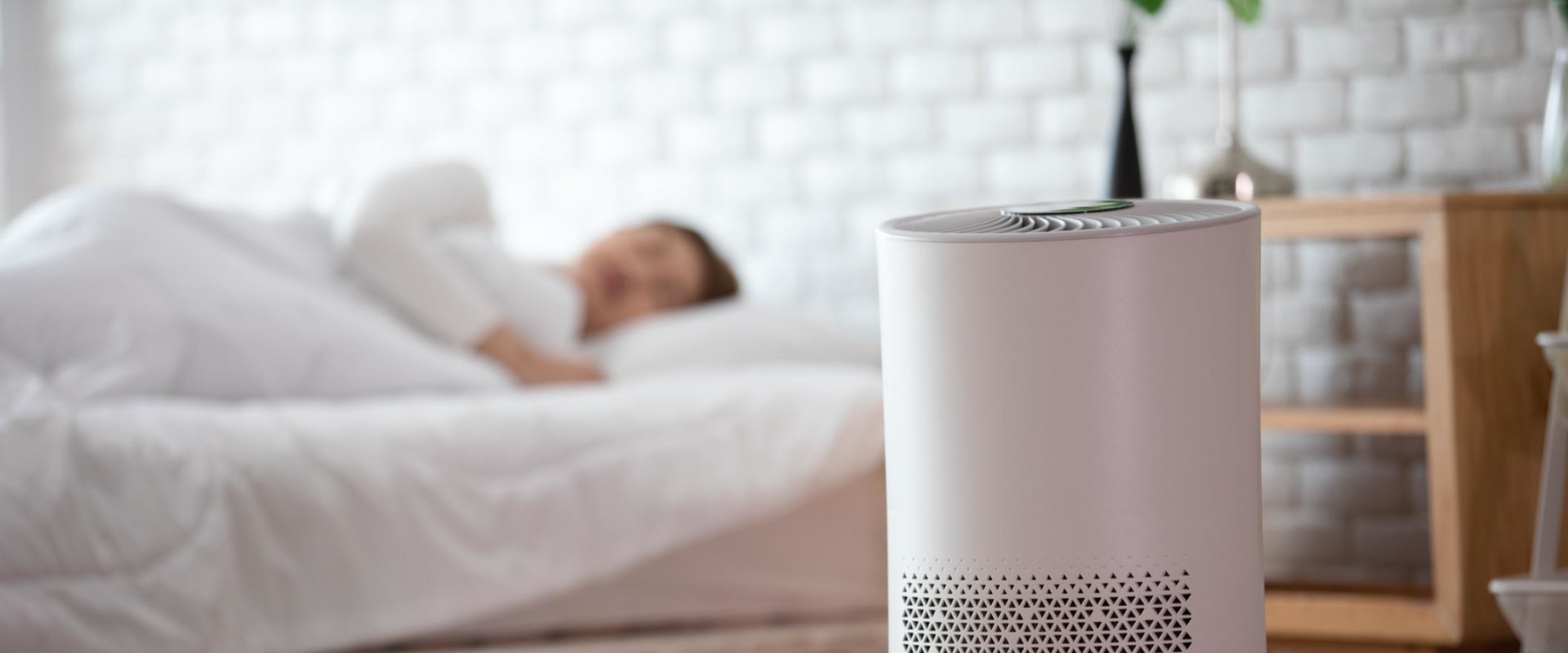
Air purifiers have become increasingly popular in homes across the United States, but many people still wonder: how do air purifiers work ? Understanding the underlying technology is essential for anyone considering an investment in an air purifier for home use. At their core, air purifiers are designed to remove contaminants from the air, improving indoor air quality and promoting a healthier living environment. There are several types of air purification technologies available, each with its unique mechanisms and benefits. One of the most widely recognized methods is the HEPA filter , which stands for High-Efficiency Particulate Air. HEPA filters are capable of trapping 99.97% of particles that are 0.3 microns in size, including dust, pollen, and pet dander.
This makes them particularly effective for allergy sufferers and those with respiratory issues. Another common technology is activated carbon filtration , which excels at removing odors and volatile organic compounds (VOCs) from the air. Activated carbon works by adsorbing these harmful substances onto its surface, effectively neutralizing unpleasant smells and chemical pollutants. For those concerned about pathogens, some air purifiers incorporate UV light technology , which uses ultraviolet rays to kill bacteria and viruses as they pass through the unit. Understanding these various technologies not only helps consumers make informed choices but also highlights the importance of selecting an air purifier that meets specific needs. Whether you’re looking to combat allergens, eliminate odors, or reduce airborne pathogens, knowing how different air purification methods work can significantly enhance your experience with an air purifier for home.
Common Myths About Air Purifiers
When it comes to air purifiers for home, numerous myths and misconceptions can cloud consumer understanding.Addressing these myths is essential for making informed decisions about air quality improvement. Here are some of the most common misconceptions:
- Myth 1: Air Purifiers Eliminate All Pollutants
Many people believe that air purifiers can completely eliminate all harmful particles from their indoor environment. In reality, while these devices are effective at reducing certain pollutants like dust, pollen, and pet dander, they cannot remove everything. For instance, gases and volatile organic compounds (VOCs) may require specialized filters or additional systems to address effectively. - Myth 2: Air Purifiers Are Only Necessary for Allergies
Another common misconception is that air purifiers are only beneficial for individuals with allergies or asthma.However, everyone can benefit from improved air quality. Pollutants such as smoke, mold spores, and bacteria can affect anyone's health, making air purifiers a valuable addition to any home.
- Myth 3: All Air Purifiers Are the Same
Not all air purifiers are created equal. Different models utilize various technologies, such as HEPA filters, activated carbon, or UV light. Understanding the specific needs of your home and selecting a purifier that addresses those needs is crucial for maximizing effectiveness. - Myth 4: Running an Air Purifier Is Enough
While running an air purifier can significantly improve indoor air quality, it should not be the sole method of maintaining a healthy environment.Regular cleaning, proper ventilation, and minimizing sources of pollution (like smoking indoors or using harsh cleaning products) are equally important.
- Myth 5: Air Purifiers Are Noisy
Many potential users shy away from air purifiers due to the belief that they are excessively noisy. While some older models may have been loud, modern air purifiers are designed to operate quietly. Many units feature multiple fan speeds, allowing users to select a setting that balances noise levels with purification needs.
The Benefits of Using an Air Purifier in Your Home
Investing in an air purifier for home use can yield a multitude of benefits that significantly enhance your living environment.Understanding these advantages can help you make an informed decision about whether to incorporate one into your household.One of the most compelling reasons to use an air purifier is its ability to alleviate allergy symptoms. Many individuals suffer from seasonal allergies or sensitivities to dust, pet dander, and pollen. An air purifier equipped with a HEPA filter can effectively capture these allergens, reducing their presence in your indoor air. This can lead to fewer allergy attacks and a more comfortable living space.In addition to allergy relief, air purifiers play a crucial role in managing asthma symptoms.
For those with asthma, exposure to airborne irritants can trigger attacks or exacerbate existing conditions. By filtering out pollutants such as smoke, mold spores, and volatile organic compounds (VOCs), an air purifier can create a safer environment for asthma sufferers. This is particularly important in homes where cooking fumes or chemical cleaners are frequently used.Moreover, the overall improvement in indoor air quality is another significant benefit of using an air purifier. Poor air quality can lead to various health issues, including respiratory problems and fatigue.
By continuously circulating and cleaning the air, an air purifier helps maintain a healthier atmosphere. This is especially beneficial in urban areas where outdoor pollution levels may be high.Furthermore, many modern air purifiers come with additional features such as air quality sensors and smart technology that allow you to monitor your home's air quality in real-time. This not only provides peace of mind but also empowers you to take proactive measures when pollution levels rise.Lastly, using an air purifier can enhance your overall comfort at home. Clean air contributes to better sleep quality and increased productivity during the day.
When you breathe easier, you may find that you feel more energized and focused.In summary, the benefits of using an air purifier for home applications are numerous and impactful. From allergy relief and asthma management to improved indoor air quality and enhanced comfort, these devices can significantly contribute to a healthier living environment.
Choosing the Right Air Purifier for Your Home
When it comes to selecting the best air purifier for home, understanding your specific needs and the characteristics of your living space is crucial. With a plethora of options available, making an informed choice can significantly enhance your indoor air quality.1.Assess Your Room Size
The first step in choosing an air purifier is to consider the size of the room where it will be used. Air purifiers are rated for specific square footage, so it’s essential to match the unit’s capacity with your room dimensions.
For instance, if you have a large living room, look for a model that can handle larger spaces, typically indicated by its Clean Air Delivery Rate (CADR). A higher CADR means faster and more efficient air cleaning.
2.Identify Your Specific Needs
Your personal health concerns and lifestyle will also dictate the type of air purifier you should choose:
- Allergies: If you suffer from allergies, consider a HEPA filter model, which can capture 99.97% of particles as small as 0.3 microns, including pollen, dust mites, and pet dander.
- Pets: For pet owners, look for purifiers with specialized filters designed to tackle pet hair and odors.
- Smoke or Odors: If you live in an area prone to smoke or have cooking odors, activated carbon filters are effective at absorbing these smells.
3.Consider Noise Levels
Noise can be a significant factor, especially if you plan to use the air purifier in a bedroom or office. Check the decibel ratings of different models; many manufacturers provide this information. Look for units that operate quietly on lower settings while still providing effective purification.
4.Budget Considerations
Your budget will also play a role in your decision-making process.
While there are affordable options available, investing in a higher-quality air purifier can lead to better performance and longer-lasting filters. Remember to factor in the cost of replacement filters when calculating long-term expenses.
5.Additional Features
Modern air purifiers come with various features that can enhance usability:
- Smart Technology: Some models offer Wi-Fi connectivity and smartphone apps for remote monitoring and control.
- Air Quality Sensors: Built-in sensors can automatically adjust the purifier's settings based on real-time air quality readings.
- Filter Change Indicators: These alerts remind you when it’s time to replace or clean the filter, ensuring optimal performance.
Maximizing the Effectiveness of Your Air Purifier
To truly harness the benefits of an air purifier for home, it’s essential to understand how to use and maintain it effectively. Here are some practical tips to ensure your air purifier operates at peak performance.1.Regular Filter Maintenance
The filter is the heart of your air purifier, and its condition directly impacts the device's efficiency. Here are some key points to consider:- Check Filter Status: Regularly inspect your filter for dirt and debris.
Most manufacturers recommend checking the filter every month, especially if you have pets or live in a dusty environment.
- Change Filters as Needed: Follow the manufacturer's guidelines for replacing filters. A clogged filter not only reduces airflow but can also lead to the release of trapped pollutants back into the air.
- Consider HEPA Filters: If your air purifier supports it, opt for HEPA filters, which are designed to capture 99.97% of particles as small as 0.3 microns, including allergens and dust.
2.Optimal Placement in Your Home
The location of your air purifier can significantly affect its performance. Here are some tips for optimal placement:- Avoid Corners: Place your air purifier in an open area rather than in a corner or behind furniture. This allows for better airflow and circulation.
- Central Location: Ideally, position the unit in a central location within the room where you spend the most time, such as the living room or bedroom.
- Keep It Elevated: If possible, place the air purifier on a table or shelf to enhance its ability to circulate clean air throughout the room.
3.Continuous Operation
For maximum effectiveness, consider running your air purifier continuously:- 24/7 Operation: Keeping your air purifier on all day ensures that it continuously cleans the air, especially during high pollen seasons or when cooking.
- Use Auto Mode: Many modern purifiers come with an auto mode that adjusts fan speed based on current air quality levels, optimizing energy use while maintaining clean air.
Regular upkeep not only prolongs the life of your device but also ensures that you and your family breathe cleaner, healthier air.
Air Quality Monitoring: A Complement to Air Purifiers
To truly enhance the air quality in your home, it’s essential to pair your air purifier for home with effective air quality monitoring. Understanding the specific pollutants present in your indoor environment can significantly inform your choices regarding air purification and overall health.Types of Air Quality Monitoring Devices
- Portable Air Quality Monitors: These compact devices can be easily moved from room to room. They typically measure a range of pollutants, including particulate matter (PM2.5 and PM10), volatile organic compounds (VOCs), carbon dioxide (CO2), and humidity levels.
- Smart Home Integration: Many modern air quality monitors can connect to your smartphone or smart home systems. This allows for real-time monitoring and alerts, enabling you to take immediate action when air quality dips.
- Stationary Indoor Monitors: These are designed to stay in one location, often providing more comprehensive data over time.
They can track trends in air quality, helping you identify patterns related to specific activities or times of day.
How to Monitor Indoor Air Quality
Monitoring indoor air quality involves more than just purchasing a device; it requires understanding how to interpret the data it provides. Here are some steps to effectively monitor your indoor air:
- Select the Right Device: Choose a monitor that measures the specific pollutants of concern in your home. For example, if you have allergies, focus on devices that track allergens and particulate matter.
- Regularly Check Readings: Make it a habit to check the readings on your monitor. This will help you understand when air quality is poor and what actions you might need to take.
- Adjust Your Air Purifier Settings: Use the data from your monitor to adjust the settings on your air purifier.
For instance, if you notice high levels of VOCs after cooking, consider running your purifier on a higher setting during meal preparation.
Benefits of Air Quality Monitors
The advantages of incorporating an air quality monitor into your home environment are numerous:
- Informed Decisions: With real-time data, you can make informed decisions about when to run your air purifier for home, ensuring optimal performance.
- Health Awareness: Monitoring helps you become more aware of potential health risks associated with poor air quality, allowing you to take proactive measures.
- Long-term Insights: Over time, tracking air quality trends can reveal patterns that may be linked to specific activities or changes in your home environment.
Frequently Asked Questions About Air Purifiers
When considering an air purifier for home, potential buyers often have a myriad of questions. Addressing these frequently asked questions can help demystify the technology and enhance user confidence in their purchase.What types of air purifiers are available?
There are several types of air purifiers, each designed to tackle specific pollutants:- HEPA Filters: These are highly effective at capturing small particles, including dust, pollen, and pet dander.
- Activated Carbon Filters: Ideal for removing odors and gases, these filters absorb volatile organic compounds (VOCs) and smoke.
- UV Light Purifiers: These use ultraviolet light to kill bacteria and viruses, making them suitable for those concerned about pathogens.
- Ionic Purifiers: These release charged ions that attach to particles, causing them to clump together and fall out of the air.
How often should I change the filter?
The frequency of filter changes depends on the type of filter and usage. Generally, HEPA filters should be replaced every 6 to 12 months, while activated carbon filters may need changing every 3 to 6 months. Always refer to the manufacturer's guidelines for specific recommendations.Can air purifiers help with allergies?
Yes, air purifiers for home use can significantly alleviate allergy symptoms by trapping allergens such as pollen, dust mites, and pet dander.For optimal results, choose a model equipped with a true HEPA filter.
What size air purifier do I need?
The size of the air purifier you need depends on the room size. Most manufacturers provide a recommended square footage for their units. It's essential to select a purifier that can handle the volume of air in your space effectively.Troubleshooting common issues
If your air purifier is not functioning as expected, consider these troubleshooting tips:- No airflow: Check if the unit is plugged in and ensure that the filter is clean and properly installed.
- Noisy operation: If your purifier is louder than usual, it may be due to a clogged filter or an issue with the fan. Inspect and clean as necessary.
- Error lights: Refer to the user manual for guidance on what specific error codes mean and how to resolve them.
Conclusion: Making an Informed Decision on Air Purifiers
As we conclude our exploration of air purifiers, it’s essential to reflect on the key insights that have emerged throughout this discussion.Understanding the role of an air purifier for home use is crucial for anyone looking to enhance their indoor air quality.First and foremost, it’s important to recognize that while air purifiers can significantly reduce airborne pollutants, they are not a panacea. They work best when integrated into a comprehensive approach to indoor air quality management. This includes regular cleaning, proper ventilation, and maintaining a healthy humidity level. By combining these strategies, you can create a more effective environment for your health and well-being.Another critical point is the necessity of selecting the right type of air purifier for your specific needs.
Different models are designed to tackle various contaminants, from allergens like pollen and dust mites to volatile organic compounds (VOCs) and smoke. Understanding the specific pollutants present in your home will guide you in choosing a model equipped with the appropriate filtration technology.Moreover, the maintenance of your air purifier cannot be overstated. Regularly checking and replacing filters is vital to ensure optimal performance. A clogged or dirty filter not only diminishes the effectiveness of the unit but can also lead to increased energy consumption and potential health risks.In addition, monitoring indoor air quality can provide valuable insights into how well your air purifier is performing.
Utilizing an air quality monitor allows you to track changes in pollutant levels and adjust your purification strategy accordingly.Ultimately, making an informed decision about investing in an air purifier for home use involves weighing both its benefits and limitations. While these devices can play a significant role in improving air quality, they should be viewed as part of a broader strategy for maintaining a healthy living environment.In summary, by understanding how air purifiers function, recognizing their limitations, and implementing complementary practices, you can take meaningful steps toward enhancing your indoor air quality. This informed approach will empower you to make choices that best suit your lifestyle and health needs.