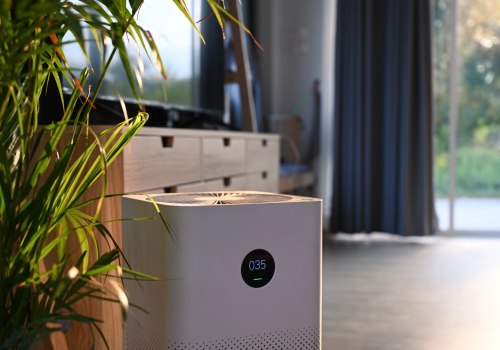
In today’s world, where indoor air quality is often compromised by pollutants, allergens, and volatile organic compounds (VOCs), understanding the role of a whole-house air purifier becomes essential for homeowners. Unlike portable air purifiers that target specific rooms, a whole-house air purifier integrates seamlessly with your home’s existing heating, ventilation, and air conditioning (HVAC) system. This allows it to filter and purify the air throughout the entire home, ensuring that every room benefits from cleaner, healthier air.The primary function of a whole-house air purifier is to remove harmful particles from the air, including dust, pollen, pet dander, smoke, and even bacteria and viruses. By continuously circulating and filtering the air in your home, these systems not only enhance comfort but also contribute significantly to the overall health of your family.
For individuals with allergies or respiratory conditions, having a reliable air purification system can make a profound difference in their quality of life.Moreover, the benefits of investing in a whole-house air purifier extend beyond just improved air quality. These systems can help reduce odors caused by cooking, pets, or other household activities, creating a fresher living environment. Additionally, they can lower energy costs by improving the efficiency of your HVAC system. When your heating and cooling systems work more efficiently due to cleaner filters and ducts, you may notice a decrease in your utility bills over time.As we delve deeper into the advantages and considerations of installing a whole-house air purifier in your home, it’s crucial to recognize its importance not just as an appliance but as an investment in your family’s health and well-being.
Understanding how these systems operate and their potential impact on indoor air quality will empower you to make informed decisions for a healthier living space.
How Whole-House Air Purifiers Work
Whole-house air purifiers are sophisticated systems designed to enhance indoor air quality by integrating seamlessly with your home’s existing heating, ventilation, and air conditioning (HVAC ) system. Understanding how these systems work is essential for homeowners contemplating installation.At the core of a whole-house air purifier is its ability to filter and purify the air circulating through your home. The process begins when the HVAC system draws in air from various rooms. This air contains a mix of particles, including dust, pollen, pet dander, and other allergens.Once the air is pulled into the system, it passes through a series of filters designed to capture these contaminants.The filtration process typically involves:
- Pre-filters: These initial filters trap larger particles such as dust and hair, preventing them from clogging the more sensitive filters that follow.
- HEPA filters: High-Efficiency Particulate Air (HEPA) filters are crucial in removing up to 99.97% of airborne particles that are 0.3 microns or larger. This includes allergens like pollen and mold spores.
- Activated carbon filters: These filters are effective at absorbing odors and volatile organic compounds (VOCs), which can be harmful to health.
This not only improves indoor air quality but also contributes to a healthier living environment for you and your family.
Key Benefits of Whole-House Air Purifiers
Investing in a whole-house air purifier brings a multitude of benefits that can significantly enhance the quality of life for homeowners and their families. Below are some of the key advantages that make these systems a smart choice for improving indoor air quality.- Improved Health Outcomes: One of the most compelling reasons to install a whole-house air purifier is the positive impact on health. These systems effectively remove allergens such as pollen, pet dander, and dust mites from the air, which can be particularly beneficial for individuals with asthma or allergies. By reducing these irritants, homeowners may experience fewer respiratory issues and improved overall well-being.
- Reduction of Harmful Pollutants: Whole-house air purifiers are designed to filter out volatile organic compounds (VOCs), smoke, and other harmful pollutants that can accumulate indoors.
This is especially important in modern homes, where airtight construction can trap these toxins. By eliminating them, these systems contribute to a healthier living environment.
- Energy Efficiency: Many whole-house air purifiers are integrated with existing HVAC systems, allowing them to operate efficiently without requiring additional energy consumption. This can lead to lower utility bills over time, making them not only a health investment but also a cost-effective one.
- Enhanced Comfort: Clean air contributes to a more comfortable home environment. Whole-house air purifiers help maintain consistent humidity levels and reduce unpleasant odors, creating a fresher atmosphere throughout the home.
This is particularly beneficial in areas prone to high humidity or musty smells.
- Convenience: Unlike portable air purifiers that require frequent maintenance and filter changes, whole-house systems are typically low-maintenance once installed. Homeowners can enjoy clean air without the hassle of moving devices from room to room or remembering to change filters regularly.
- Increased Property Value: Installing a whole-house air purifier can enhance the appeal of your home if you ever decide to sell. Potential buyers often look for features that improve health and comfort, making your property more attractive in a competitive market.
Cost Considerations: Is It Worth the Investment?
When considering the purchase of a whole-house air purifier, it’s essential to evaluate the cost implications and determine whether the investment aligns with your financial goals.The initial outlay for a whole-house air purification system can vary significantly based on factors such as brand, model, and installation requirements. Typically, homeowners can expect to spend anywhere from $1,000 to $4,000 for a complete system, including installation. While this may seem steep at first glance, understanding the long-term benefits can help justify the expense.One of the most compelling reasons to invest in a whole-house air purifier is the potential for long-term savings. These systems are designed to work in conjunction with your existing HVAC system, which means they can enhance its efficiency.
By improving air quality and reducing the workload on your HVAC unit, you may notice a decrease in your monthly energy bills. Many homeowners report savings of 10% to 30% on their utility costs after installing an air purification system.Moreover, a whole-house air purifier can contribute to the longevity of your HVAC system. By filtering out dust, allergens, and other particulates that can accumulate in your ducts and components, these systems help prevent wear and tear. This not only reduces the likelihood of costly repairs but also extends the lifespan of your heating and cooling equipment.In addition to energy savings and maintenance benefits, investing in a whole-house air purifier can also increase your property value.
Homes equipped with advanced air purification systems are often more attractive to potential buyers, especially those concerned about indoor air quality. This added feature can set your home apart in a competitive real estate market.When budgeting for an air purification system, it’s crucial to consider not just the initial costs but also the long-term financial benefits. Homeowners should assess their specific needs and consult with professionals to find a system that fits their budget while providing optimal performance. By weighing these factors carefully, you can make an informed decision that enhances both your home’s comfort and its value.
Installation Process: What to Expect
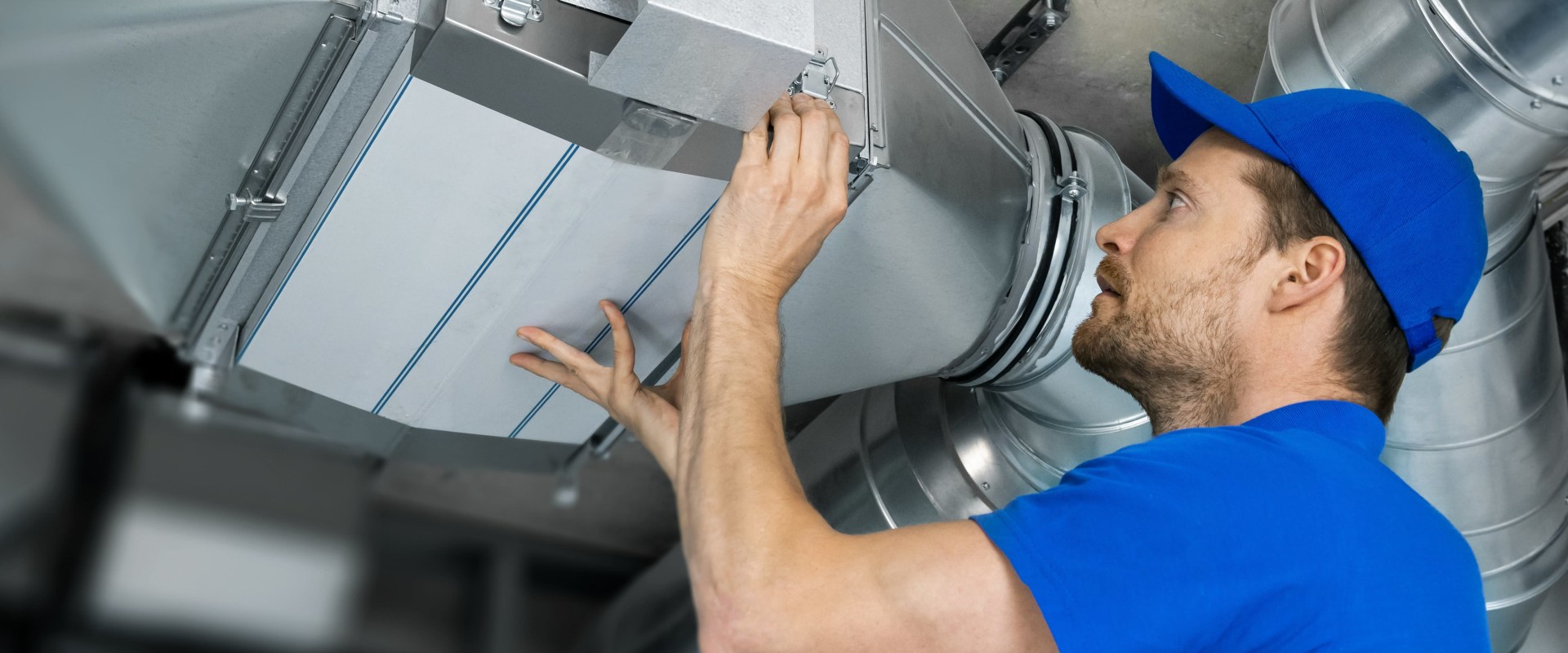
Installing a whole-house air purifier can seem daunting, but understanding the process can make it much more manageable.Whether you choose to tackle the installation yourself or hire a professional, knowing what to expect will help you prepare for this important upgrade to your home’s air quality.
DIY Installation: A Step-by-Step Guide
If you are handy and comfortable with basic home improvement tasks, a DIY installation may be a viable option. Here’s a general overview of the steps involved:- Choose the Right Location: Identify where the air purifier will be installed. Typically, this is near your HVAC system, as it allows for optimal airflow throughout the home.
- Gather Necessary Tools: You will need tools such as a screwdriver, duct tape, and possibly a saw if modifications to existing ductwork are required.
- Shut Off Power: Before starting any installation, ensure that the power to your HVAC system is turned off to avoid any accidents.
- Modify Ductwork (if necessary): Depending on your home’s layout and the type of air purifier, you may need to cut or adjust existing ducts. This step is crucial for ensuring that the purifier can effectively filter air throughout your home.
- Install the Air Purifier: Follow the manufacturer’s instructions carefully.
Securely attach the unit to the ductwork and ensure all connections are airtight.
- Reconnect Power: Once everything is in place, restore power to your HVAC system and test the air purifier to ensure it’s functioning correctly.
Professional Installation: When to Consider It
If you’re not comfortable with DIY projects or if your home requires complex modifications, hiring a professional is advisable. Here are some benefits of opting for professional installation:- Expertise: Professionals have experience with various systems and can quickly identify the best installation method for your specific setup.
- Time-Saving: A professional can complete the installation much faster than most homeowners could on their own.
- Warranty Protection: Many manufacturers require professional installation for warranty coverage. Ensuring that your system is installed correctly can save you from future headaches.
Choosing the Right Whole-House Air Purifier for Your Home
When it comes to selecting the best whole-house air purifier for your home, understanding your specific needs and the characteristics of your living space is crucial. With a variety of options available, making an informed decision can significantly enhance your indoor air quality and overall comfort.1.Assess Your Home's Size and Layout
- Before choosing an air purifier, measure the square footage of your home.
Whole-house air purifiers are designed to cover larger areas, so knowing the size will help you select a model that can effectively circulate air throughout your space.
- Consider the layout of your home as well. Open floor plans may require different systems compared to homes with multiple rooms and closed doors.
2.Understand Your Air Quality Needs
- If you or any family members suffer from allergies, asthma, or other respiratory issues, look for a purifier that specifically targets allergens such as pollen, dust mites, and pet dander.
- For homes in urban areas or near industrial sites, consider models that can filter out volatile organic compounds (VOCs) and other pollutants.
3.Filter Types and Maintenance
- The type of filter used in a whole-house air purifier is a critical factor. HEPA filters are highly effective at capturing small particles, while activated carbon filters excel at removing odors and gases.
- Check the maintenance requirements for each model. Some filters need to be replaced more frequently than others, which can affect long-term costs.
4.Energy Efficiency
- Look for energy-efficient models that have the ENERGY STAR label.
These purifiers not only save on electricity bills but also contribute to a more sustainable environment.
- Consider the noise level of the unit as well; quieter models can provide cleaner air without disrupting your daily activities.
5.Professional Consultation
- If you're unsure about which system is best for your home, consulting with an HVAC professional can provide valuable insights tailored to your specific situation.
- They can assess your home's ventilation system and recommend compatible air purifiers that will work effectively with your existing setup.
Common Misconceptions About Whole-House Air Purifiers
When considering a whole-house air purifier, many potential buyers are often influenced by common myths and misconceptions that can cloud their judgment. Addressing these misunderstandings is crucial for making an informed decision about improving indoor air quality.Myth 1: Whole-House Air Purifiers Are Too Expensive
While the initial investment for a whole-house air purifier may seem high, it’s essential to consider the long-term savings. These systems can enhance the efficiency of your HVAC system, potentially lowering energy bills over time. Additionally, they can reduce the need for frequent maintenance and repairs, which can be costly.
Myth 2: Portable Air Purifiers Are Just as Effective
Many homeowners believe that portable air purifiers can provide the same level of air purification as whole-house systems.
However, portable units typically only filter air in a limited area, leaving other parts of the home vulnerable to pollutants. A whole-house air purifier works in conjunction with your existing HVAC system to ensure that every room benefits from cleaner air.
Myth 3: They Only Remove Dust and Allergens
While it’s true that whole-house air purifiers effectively capture dust and allergens, they also target a broader range of contaminants. This includes volatile organic compounds (VOCs), pet dander, mold spores, and even odors from cooking or smoke. By addressing these various pollutants, these systems contribute to a healthier living environment.
Myth 4: Installation Is Complicated and Costly
Some homeowners shy away from whole-house air purifiers due to concerns about installation complexity.
In reality, many systems are designed for straightforward integration with existing HVAC setups. While professional installation may incur some costs, it often ensures optimal performance and longevity of the system.
Myth 5: They Require Constant Maintenance
Another misconception is that whole-house air purifiers demand excessive upkeep. In truth, most systems require minimal maintenance—primarily filter changes at regular intervals. This is a manageable task that can significantly enhance your home's air quality without overwhelming your schedule.By debunking these myths, potential buyers can better understand the true value of investing in a whole-house air purifier.
With improved knowledge, homeowners can make decisions that lead to healthier living spaces and enhanced overall well-being.
Frequently Asked Questions About Whole-House Air Purifiers
When considering a whole-house air purifier, homeowners often have numerous questions regarding their functionality, installation, and maintenance. Below are some of the most frequently asked questions that can help clarify any uncertainties.What is a whole-house air purifier?
A whole-house air purifier is a centralized system designed to filter and purify the air throughout an entire home. Unlike portable air purifiers that only clean the air in a single room, these systems integrate with your existing HVAC (heating, ventilation, and air conditioning) system to ensure that every room receives clean, filtered air.How does a whole-house air purifier work?
Whole-house air purifiers utilize advanced filtration technologies to remove pollutants from the air. They typically include HEPA filters that capture allergens like dust, pollen, and pet dander, as well as activated carbon filters that absorb odors and volatile organic compounds (VOCs).The system continuously circulates air through these filters, ensuring that contaminants are effectively removed.
Can I install a whole-house air purifier myself?
While some homeowners may attempt to install a whole-house air purifier on their own, it is generally recommended to hire a professional. Proper installation is crucial for optimal performance and efficiency. A professional can ensure that the system is correctly integrated with your HVAC system and that all necessary modifications are made.How much does a whole-house air purifier cost?
The cost of a whole-house air purifier can vary significantly based on factors such as brand, features, and installation requirements. On average, homeowners can expect to pay between $1,000 and $4,000 for both the unit and installation.While this may seem like a substantial investment upfront, many find that the long-term benefits in health and energy savings justify the expense.
Will a whole-house air purifier help with my allergies?
Yes! A whole-house air purifier can significantly reduce allergens in your home, providing relief for allergy sufferers. By continuously filtering out dust mites, pollen, mold spores, and pet dander from the air, these systems create a healthier living environment.What maintenance do whole-house air purifiers require?
Regular maintenance is essential for ensuring the longevity and effectiveness of your whole-house air purifier. This includes:- Changing filters: Depending on usage and the type of filters used, you may need to replace them every 6 to 12 months.
- Cleaning components: Periodically clean any accessible parts of the system to prevent dust buildup.
- Professional inspections: Schedule annual check-ups with an HVAC technician to ensure everything is functioning properly.
Conclusion: The Value of Clean Air in Your Home
In conclusion, the significance of investing in a whole-house air purifier cannot be overstated. As we have explored throughout this article, the benefits of enhanced indoor air quality extend far beyond mere comfort; they touch on health, well-being, and even financial savings.One of the most compelling reasons to consider a whole-house air purifier is its ability to significantly reduce airborne pollutants.These systems are designed to filter out a wide range of contaminants, including dust, pollen, pet dander, and volatile organic compounds (VOCs). By doing so, they create a healthier living environment that can lead to fewer respiratory issues and allergies for all family members.Moreover, the convenience of having a centralized system means that every room in your home benefits from cleaner air. Unlike portable units that only address specific areas, a whole-house air purifier ensures that every corner of your home is treated. This comprehensive approach not only enhances comfort but also promotes a sense of well-being.Financially, while the initial investment may seem daunting, the long-term savings can be substantial.
A whole-house air purifier can help extend the lifespan of your HVAC system by reducing the strain caused by dust and debris buildup. This can lead to fewer repairs and lower energy bills over time.Additionally, for families with members who suffer from allergies or asthma, the importance of clean air cannot be emphasized enough. The peace of mind that comes from knowing your home is free from harmful pollutants is invaluable. It allows for a more enjoyable living space where everyone can thrive.Ultimately, investing in a whole-house air purifier is not just about improving air quality; it’s about enhancing your overall quality of life.
As you weigh your options, consider how much better you and your family could feel with cleaner air circulating throughout your home. The benefits are clear: healthier living, financial savings, and an overall improved home environment.In summary, the value of clean air in your home is profound. By choosing to invest in a whole-house air purifier, you are making a commitment to better health and well-being for yourself and your loved ones.