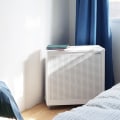
In an age where indoor air quality is increasingly recognized as a critical component of overall health, understanding how air purifiers for home use advanced technology to improve our living environments is essential. These devices are designed to filter out harmful particles and pollutants, creating a cleaner and healthier atmosphere. But how exactly do they work? The mechanisms behind air purifiers involve a combination of filtration systems and innovative technologies that target various airborne contaminants.At the core of most air purifiers is a filtration system, which typically includes a series of filters designed to capture different types of pollutants. The most common type is the HEPA (High-Efficiency Particulate Air) filter, renowned for its ability to trap 99.97% of particles as small as 0.3 microns.
This includes allergens such as dust mites, pollen, and pet dander, making HEPA filters particularly beneficial for allergy sufferers. Additionally, many air purifiers incorporate activated carbon filters that excel at absorbing odors and volatile organic compounds (VOCs), which can be emitted from household products.Beyond traditional filtration, some modern air purifiers utilize advanced technologies such as UV-C light and ionization. UV-C light works by neutralizing bacteria and viruses, providing an extra layer of protection against pathogens that can compromise health. Ionizers, on the other hand, release negatively charged ions into the air, which attach to positively charged particles like dust and smoke, causing them to clump together and fall out of the air.
This multifaceted approach not only enhances the effectiveness of air purifiers but also underscores their importance in maintaining optimal indoor air quality.As we delve deeper into the science behind these devices, it becomes clear that investing in a quality air purifier for home use is not just about comfort; it’s about safeguarding your health and well-being. Understanding the various technologies at play will empower you to make informed decisions when selecting an air purifier that best meets your needs.
The Timeline for Results: What to Expect
When you invest in an air purifier for home, understanding the timeline for results is crucial to managing your expectations. While many users anticipate immediate improvements, the reality is that noticeable changes in air quality typically unfold over a period of weeks. Here’s a detailed breakdown of what you can expect during this timeline.Week 1: Initial Adjustment
During the first week of using your air purifier, you may not observe significant changes in your indoor air quality.
This initial phase is primarily about the device getting acclimated to its environment. The air purifier begins its work by circulating the air in your home, gradually pulling in pollutants that have settled on surfaces and fabrics. It’s important to keep the unit running continuously during this time to maximize its effectiveness.
Week 2: Noticeable Improvements
By the second week, many users start to notice subtle yet significant improvements. You might experience:
- Fewer allergy symptoms, such as sneezing or itchy eyes, as the air purifier begins to remove allergens like pollen and dust mites.
- A reduction in visible dust accumulation on surfaces, indicating that airborne particles are being effectively captured.
- A fresher smell in your home, as odors from pets or cooking are mitigated by the filtration process.
Week 3: Enhanced Air Quality
By the third week, you should experience a marked improvement in overall air quality.
Many users report:
- A significant decrease in respiratory issues, such as asthma attacks or chronic coughs, due to reduced airborne irritants.
- Improved sleep quality, as cleaner air can lead to better breathing patterns during the night.
- A general sense of well-being and comfort within your living space.
Factors Influencing Results
The timeline for seeing results can vary based on several factors:
- Type of Air Purifier: Different models have varying capabilities. For instance, HEPA filters are particularly effective for allergens, while activated carbon filters excel at odor removal.
- Room Size: Larger spaces may require more time for the air purifier to circulate and clean all the air effectively.
- Pollutant Levels: Homes with higher levels of pollutants—such as those with pets or located near busy roads—may take longer to show results.
Factors Influencing Air Purifier Effectiveness
When considering the effectiveness of an air purifier for home, several key factors come into play that can significantly influence how quickly and efficiently these devices operate. Understanding these factors can help you make a more informed decision when selecting an air purifier and setting it up in your living space.Type of Air Purifier
The type of air purifier you choose is one of the most critical factors affecting its performance. Different technologies are designed to tackle various pollutants:- HEPA Filters: High-Efficiency Particulate Air (HEPA) filters are renowned for their ability to capture 99.97% of particles as small as 0.3 microns.
This makes them particularly effective for allergens like pollen, dust mites, and pet dander.
- Activated Carbon Filters: These filters excel at removing odors and volatile organic compounds (VOCs) from the air. If your primary concern is unpleasant smells or chemical pollutants, an activated carbon filter is essential.
- UV Light Purifiers: Some air purifiers utilize ultraviolet light to kill bacteria and viruses. While they can be effective in reducing biological contaminants, they may not address particulate matter as effectively as HEPA filters.
- Ionizers: Ionizing purifiers release charged ions that attach to airborne particles, causing them to clump together and fall out of the air. However, they may produce ozone, which can be harmful in high concentrations.
Room Size
The size of the room where the air purifier will be used is another crucial factor.Air purifiers are rated for specific room sizes, and using a device in a space larger than its capacity can lead to suboptimal performance:
- Small Rooms: In smaller spaces, air purifiers can circulate and clean the air more quickly, often yielding noticeable results within a shorter timeframe.
- Large Rooms: For larger areas, it may take longer for the purifier to effectively clean the air. In such cases, consider using multiple units or a more powerful model designed for larger spaces.
Pollutant Levels
The initial level of pollutants in your home also plays a significant role in how quickly you will see results from your air purifier:- High Pollutant Levels: If you live in an area with high outdoor pollution or have pets that shed frequently, it may take longer for the air purifier to achieve noticeable improvements in air quality.
- Low Pollutant Levels: Conversely, if your home has relatively low levels of pollutants, you may experience quicker results as the air purifier efficiently removes contaminants from the environment.
Types of Air Purifiers: Which One is Right for You?
When it comes to choosing an air purifier for home, understanding the different types available is crucial. Each type of air purifier employs unique technologies and features, making them suitable for various needs and environments. Below, we explore the most common types of air purifiers, their benefits, and how to determine which one is right for you.HEPA Air Purifiers
High-Efficiency Particulate Air (HEPA) purifiers are among the most popular options on the market.They are designed to capture at least 99.97% of particles that are 0.3 microns in size, including dust, pollen, pet dander, and mold spores. This makes them an excellent choice for individuals suffering from allergies or asthma.
- Pros: Highly effective at removing allergens and fine particles.
- Cons: HEPA filters need to be replaced regularly, which can add to maintenance costs.
Activated Carbon Air Purifiers
Activated carbon air purifiers utilize a filter made from activated carbon to absorb odors, gases, and volatile organic compounds (VOCs). They are particularly effective in environments where cooking smells, pet odors, or chemical fumes are prevalent.- Pros: Excellent for odor removal and chemical absorption.
- Cons: Less effective at capturing larger particles compared to HEPA filters.
Ionic Air Purifiers
Ionic air purifiers work by emitting negatively charged ions into the air, which attach to positively charged particles like dust and allergens. This causes the particles to clump together and fall to the ground or stick to surfaces.- Pros: Can reduce airborne particles without needing a filter replacement.
- Cons: May produce ozone as a byproduct, which can be harmful in high concentrations.
UV-C Light Air Purifiers
These purifiers use ultraviolet light to kill bacteria, viruses, and other microorganisms in the air.While they are not primarily designed for particle removal, they can be a valuable addition for those concerned about pathogens.
- Pros: Effective at sterilizing the air from harmful microorganisms.
- Cons: Do not remove larger particles or allergens effectively.
Selecting the Right Air Purifier
The best air purifier for your home will depend on your specific needs:- If you suffer from allergies or asthma, a HEPA air purifier is likely your best option.
- If odors or chemical fumes are a concern, consider an activated carbon model.
- If you want to target bacteria and viruses specifically, look into UV-C light purifiers.
Additional Benefits of Using Air Purifiers
While the primary function of an air purifier is to enhance indoor air quality, the benefits extend far beyond just cleaner air. Understanding these additional advantages can help you appreciate the value of investing in an air purifier for home use.Health Benefits of Clean Air
One of the most significant benefits of using an air purifier is the positive impact on your health. Clean air is essential for overall well-being, and here are some specific health benefits associated with improved air quality:- Reduced Allergy Symptoms: For individuals suffering from allergies, air purifiers can be a game-changer. By effectively removing allergens such as pollen, dust mites, and pet dander from the air, these devices can significantly reduce allergy symptoms.
Many users report experiencing fewer sneezing fits, less nasal congestion, and improved overall comfort within days of using an air purifier.
- Improved Respiratory Health: Clean air can lead to better respiratory health. Air purifiers help filter out harmful particles that can exacerbate conditions like asthma and chronic obstructive pulmonary disease (COPD). By minimizing exposure to irritants, users may find it easier to breathe and experience fewer flare-ups.
- Enhanced Immune Function: Prolonged exposure to indoor pollutants can weaken the immune system. By using an air purifier, you can create a healthier environment that supports your immune system's ability to fight off infections and illnesses.
Better Sleep Quality
Another notable benefit of using an air purifier is its potential to improve sleep quality.Many people struggle with sleep disturbances due to allergens or poor air quality in their bedrooms. Here’s how an air purifier can help:
- Reduction in Nighttime Allergens: By filtering out allergens that may trigger nighttime symptoms, such as sneezing or coughing, an air purifier can create a more conducive sleeping environment. This is particularly beneficial for those with allergies or asthma.
- Noise Reduction: Some air purifiers operate quietly while effectively cleaning the air. The gentle hum of a well-designed unit can even serve as white noise, helping to mask disruptive sounds from outside and promoting deeper sleep.
- Temperature Regulation: Cleaner air often feels fresher and cooler.
This sensation can contribute to a more comfortable sleeping environment, allowing you to fall asleep faster and stay asleep longer.
Common Misconceptions About Air Purifiers
As air purifiers gain popularity, several myths and misconceptions have emerged, leading to confusion among potential buyers. Understanding the truth behind these myths is essential for making informed decisions about air purifiers for your home.Myth 1: Air Purifiers Eliminate All Airborne Pollutants
Many people believe that air purifiers can completely eliminate all types of airborne pollutants. While these devices are effective at reducing allergens, dust, and certain chemicals, they cannot remove every contaminant.
For instance, larger particles like pet hair may settle on surfaces rather than being captured by the purifier. Additionally, some gases and odors may require specific types of filters, such as activated carbon, to be effectively removed.
Myth 2: All Air Purifiers Are the Same
This misconception leads many consumers to choose air purifiers based solely on price. In reality, air purifiers vary significantly in terms of technology and effectiveness. For example, HEPA filters are designed to capture 99.97% of particles that are 0.3 microns or larger, making them ideal for allergy sufferers.
Conversely, ionizers may not be as effective in removing particulate matter from the air. Understanding the differences can help you select the right model for your needs.
Myth 3: Air Purifiers Are Noisy
Another common belief is that air purifiers are excessively noisy and disruptive. While some older models may have been loud, advancements in technology have led to the development of quieter units. Many modern air purifiers operate at low noise levels, making them suitable for use in bedrooms or offices without causing disturbances.
Myth 4: You Only Need an Air Purifier During Allergy Season
Some individuals think that air purifiers are only necessary during specific times of the year when allergens are prevalent.
However, indoor air quality can be compromised year-round due to dust, pet dander, mold spores, and volatile organic compounds (VOCs) from household products. Running an air purifier continuously can help maintain a healthier living environment.
Myth 5: Air Purifiers Are a Cure-All for Health Issues
While air purifiers can significantly improve indoor air quality and alleviate symptoms related to allergies and asthma, they are not a substitute for medical treatment or a comprehensive approach to health. It’s important to combine the use of an air purifier with other healthy practices such as regular cleaning and proper ventilation.By debunking these common misconceptions about air purifiers, consumers can make more informed choices when selecting an air purifier for home. Understanding how these devices work and their limitations will ultimately lead to better indoor air quality and a healthier living space.
Maintenance Tips for Optimal Performance
To ensure that your air purifier for home operates at its best, regular maintenance is essential.Proper upkeep not only prolongs the life of the device but also maximizes its efficiency in improving indoor air quality. Here are some practical maintenance tips to keep your air purifier functioning optimally:
1.Regular Filter Replacement
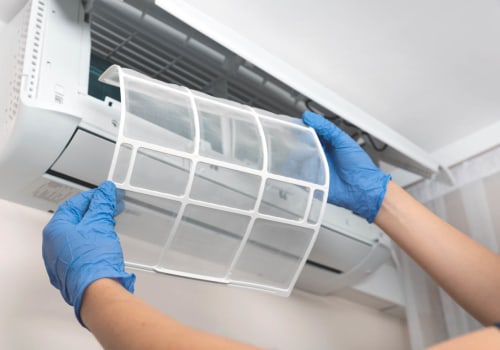
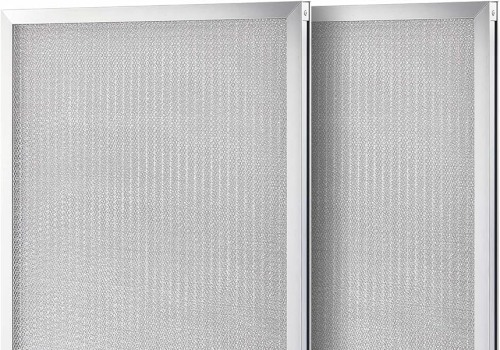
The most critical aspect of maintaining your air purifier is to replace the filters as recommended by the manufacturer. Most air purifiers come with HEPA filters, activated carbon filters, or a combination of both. Here’s how to manage filter replacement:- HEPA Filters: Typically need replacement every 6 to 12 months, depending on usage and air quality.
- Activated Carbon Filters: Should be replaced every 3 to 6 months, especially if you notice lingering odors.
- Pre-Filters: These can often be washed and reused, but check the manufacturer's guidelines.
2.Clean the Unit Regularly
Dust and debris can accumulate on the exterior and interior components of your air purifier, affecting its performance.To clean your unit:
- Wipe Down Surfaces: Use a damp cloth to clean the outer surfaces regularly.
- Vacuum the Intake Grille: This helps remove dust buildup that can obstruct airflow.
- Avoid Harsh Chemicals: Stick to mild detergents to prevent damage to the unit.
3.Monitor Air Quality
Many modern air purifiers come equipped with air quality sensors that provide real-time feedback on indoor air conditions. Pay attention to these indicators:- If the air quality indicator shows poor levels, consider running your purifier continuously until improvements are noted.
- Adjust settings based on seasonal changes; for instance, increase usage during pollen season or after cooking.
4.Positioning Matters
The placement of your air purifier can significantly impact its effectiveness. Follow these tips for optimal positioning:- Avoid Corners: Place the unit in an open area where airflow is unrestricted.
- Keep Away from Furniture: Ensure there’s enough space around the unit for proper air circulation.
- Central Location: If possible, position it centrally in larger rooms for maximum coverage.
5.Seasonal Maintenance Checks
Conduct thorough checks at least twice a year to ensure all components are functioning correctly. This includes:- Inspecting Filters: Look for signs of wear or damage.
- Cables and Connections: Ensure there are no frayed wires or loose connections that could pose safety risks.
Regular care not only enhances performance but also extends the lifespan of your device, making it a worthwhile investment in your home’s air quality.
Conclusion: The Importance of Clean Air in Your Home
In summary, the significance of maintaining clean air in your home cannot be overstated. As we have explored throughout this article, the use of an air purifier for home environments plays a crucial role in enhancing indoor air quality. With the increasing prevalence of allergens, pollutants, and harmful particles in our living spaces, investing in an air purifier is not just a luxury but a necessity for many households.Understanding the timeline for results from an air purifier is essential for setting realistic expectations. While it may take a few weeks to notice significant improvements in air quality, the benefits begin to manifest much sooner.From reduced allergy symptoms to improved sleep quality, the positive impacts of cleaner air can be felt within days of using an air purifier.Moreover, the effectiveness of an air purifier is influenced by several factors, including:
- Type of Air Purifier: Different models cater to various needs, whether it’s removing allergens with HEPA filters or eliminating odors with activated carbon.
- Room Size: Larger spaces may require more time and possibly a more powerful unit to achieve optimal results.
- Pollutant Levels: Homes with higher levels of dust, pet dander, or outdoor pollution may see longer timelines for noticeable improvements.
- Reducing Allergens: Regular use can significantly lower the presence of common allergens like pollen and dust mites.
- Enhancing Sleep Quality: Cleaner air can lead to better breathing during sleep, reducing disturbances caused by allergens.
- Minimizing Dust Accumulation: With fewer airborne particles, you may find yourself dusting less frequently.