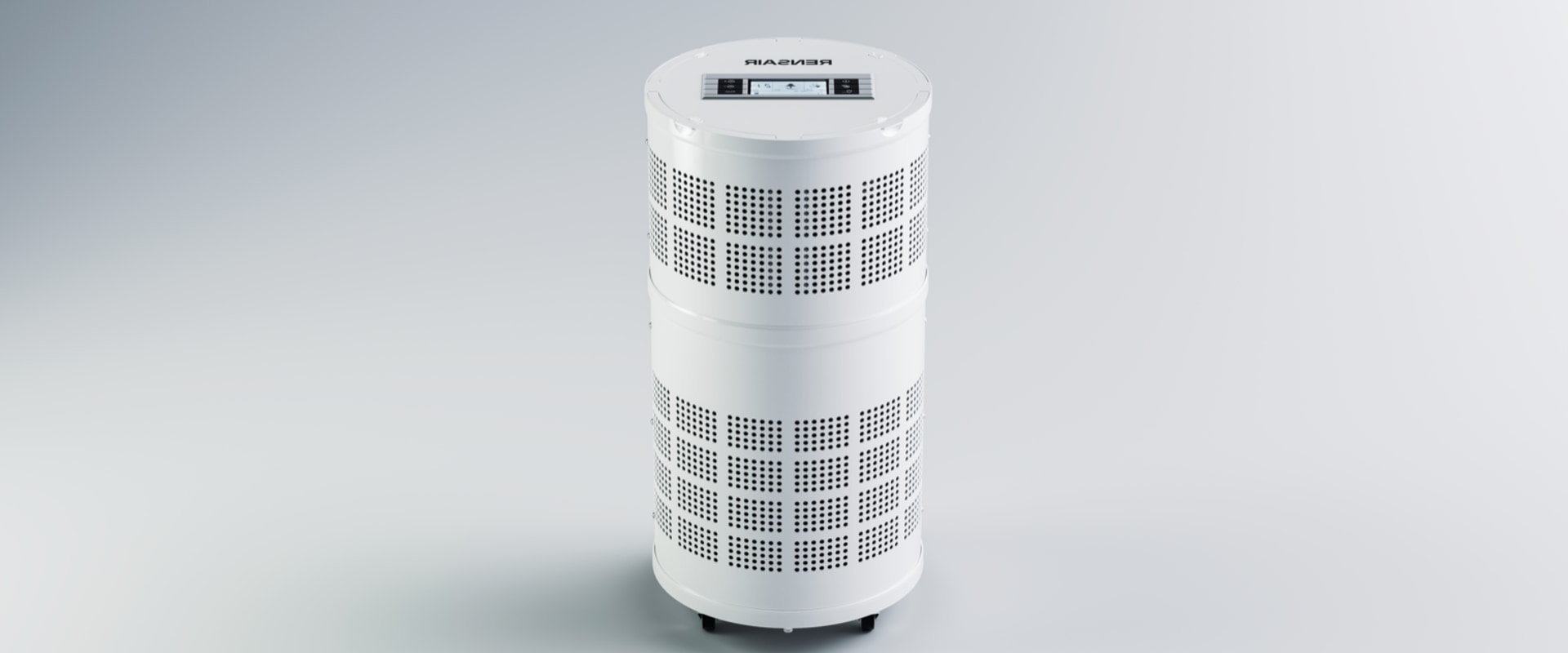
In today’s world, where air quality is increasingly compromised by pollution, allergens, and pathogens, understanding the role of air purifiers has never been more crucial. An air purifier is a device designed to remove contaminants from the air in a room, thereby improving indoor air quality. These devices are particularly beneficial for individuals suffering from allergies, asthma, or other respiratory conditions, as they help to create a cleaner and healthier living environment.There are several types of air purifiers available on the market, each utilizing different technologies to achieve their filtration goals. The most common types include HEPA filters , activated carbon filters, and ionizers.
HEPA (High-Efficiency Particulate Air) filters are renowned for their ability to capture 99.97% of particles as small as 0.3 microns, making them highly effective against dust, pollen, and pet dander. Activated carbon filters excel at absorbing odors and volatile organic compounds (VOCs), while ionizers work by charging particles in the air to make them clump together and fall out of the air. However, not all air purifiers are created equal; some may produce ozone or other harmful byproducts that can exacerbate health issues.When considering an air purifier for home use, it’s essential to evaluate your specific needs and the size of the space you wish to purify. For instance, a small room may only require a basic model with standard filtration capabilities, while larger spaces or homes with multiple occupants may benefit from more advanced systems that offer medical-grade filtration.
Understanding these distinctions will help you make an informed decision about which type of air purifier is best suited for your home environment.As we delve deeper into the world of air purification, it becomes evident that not all devices are equipped to handle the same level of contaminants. This is where medical-grade air purifiers come into play, offering superior filtration capabilities that can significantly enhance indoor air quality. By exploring the various types of air purifiers and their functionalities, we can better appreciate the importance of investing in a high-quality system that meets our health needs.
What Makes an Air Purifier 'Medical Grade'?
When discussing air purifiers, the term medical grade often arises, but what does it truly mean? A medical-grade air purifier is specifically designed to meet stringent standards for air quality, particularly in environments where health is a primary concern, such as hospitals and clinics. These devices utilize advanced filtration technologies to ensure that they can effectively remove a wide range of airborne contaminants.At the heart of a medical-grade air purifier is the HEPA filter , which stands for High-Efficiency Particulate Air filter.To qualify as a true HEPA filter, it must capture at least 99.97% of particles that are 0.3 microns in size. However, medical-grade HEPA filters go a step further; they are classified as H13 filters, which can trap up to 99.995% of particles down to 0.1 microns. This includes not only dust and pollen but also smaller particles like bacteria and viruses.The rigorous testing process for these filters is what sets them apart from standard HEPA filters. Medical-grade filters undergo extensive evaluations to ensure their efficiency and reliability in removing harmful particles from the air.
This testing includes assessments of airflow resistance, particle capture efficiency, and overall durability under various conditions.In contrast, standard air purifiers often use HEPA-type filters that may not meet the same stringent criteria. While these filters can still improve indoor air quality, they typically do not provide the same level of protection against microscopic contaminants. This difference is crucial for individuals with respiratory issues or compromised immune systems who require cleaner air.Moreover, medical-grade air purifiers are often equipped with additional layers of filtration beyond just HEPA. These may include activated carbon filters for odor removal and UV-C light technology to neutralize pathogens.
Such multi-layered approaches enhance their effectiveness in maintaining a safe indoor environment.In summary, the distinction between medical-grade and standard air purifiers lies in their filtration capabilities and the rigorous standards they must meet. Investing in a medical-grade air purifier ensures that you are taking proactive steps toward safeguarding your health by providing superior air quality in your home.
Key Benefits of Medical Grade Air Purifiers for Home Use
Investing in a medical-grade air purifier for your home can yield numerous benefits, particularly in enhancing indoor air quality and promoting overall health. Here are some of the key advantages:- Superior Filtration Efficiency: Medical-grade air purifiers utilize advanced HEPA H13 filters, which are designed to capture up to 99.995% of airborne particles as small as 0.1 microns. This includes allergens like pollen, pet dander, and dust mites, making them significantly more effective than standard residential air purifiers.
- Reduction of Allergens: For individuals suffering from allergies, the presence of airborne allergens can trigger symptoms such as sneezing, coughing, and itchy eyes.
By effectively removing these irritants from the air, medical-grade air purifiers can provide substantial relief and improve the quality of life for allergy sufferers.
- Protection Against Airborne Pathogens: In today's world, the threat of airborne viruses and bacteria is a growing concern. Medical-grade air purifiers are equipped to filter out these pathogens, reducing the risk of transmission within your home. This is particularly important for families with young children or elderly members who may be more susceptible to infections.
- Improved Respiratory Health: Clean air is essential for maintaining respiratory health. By eliminating harmful pollutants and irritants from indoor air, medical-grade air purifiers can help reduce the incidence of respiratory issues such as asthma and chronic obstructive pulmonary disease (COPD).
This is especially beneficial for those with pre-existing conditions.
- Enhanced Overall Well-Being: The quality of the air we breathe directly impacts our physical and mental well-being. Cleaner air can lead to better sleep quality, increased energy levels, and improved cognitive function. By investing in a medical-grade air purifier, you are not only safeguarding your health but also enhancing your overall quality of life.
As awareness of indoor air pollution grows, making the switch to a medical-grade solution is becoming increasingly essential for maintaining a healthy living environment.
How Medical Grade Air Purifiers Work
Understanding how medical grade air purifiers operate is crucial for appreciating their effectiveness in maintaining indoor air quality. These devices utilize a sophisticated filtration process designed to capture a wide range of airborne contaminants, ensuring that the air you breathe is as clean and safe as possible.At the heart of a medical-grade air purifier is the HEPA filter , specifically classified as H13 or higher. Unlike standard HEPA filters, which can capture around 99.97% of particles down to 0.3 microns, medical-grade HEPA filters are engineered to trap up to 99.995% of particles as small as 0.1 microns. This enhanced capability is vital for filtering out not just dust and pollen, but also more dangerous pathogens such as viruses and bacteria.The filtration process typically involves several stages:- Pre-Filter: The first line of defense, this filter captures larger particles like hair and dust, prolonging the life of the HEPA filter.
- HEPA Filter: The core component that removes microscopic particles from the air.
Its dense structure allows it to trap pollutants effectively without significantly restricting airflow.
- Activated Carbon Filter: Many medical-grade purifiers include this additional layer to absorb odors and volatile organic compounds (VOCs), further enhancing air quality.
- UV-C Light (optional): Some models incorporate UV-C light technology to neutralize bacteria and viruses, although this feature should be used with caution as it can degrade HEPA filters over time.
This makes them particularly suitable for environments where clean air is paramount, such as hospitals and clinics.In summary, the operational mechanisms of medical-grade air purifiers involve a multi-layered filtration system that effectively captures harmful particles and improves indoor air quality. By investing in such a device for your home, you can significantly reduce your exposure to airborne pollutants and create a healthier living environment.
Comparing Medical Grade Air Purifiers to Standard Models
When it comes to selecting an air purifier for home use, understanding the differences between medical-grade air purifiers and standard models is crucial. While both types aim to improve indoor air quality, their effectiveness, design, and intended applications vary significantly.Filtration Efficiency
One of the most critical factors in comparing these two types of air purifiers is their filtration efficiency. Medical-grade air purifiers utilize HEPA H13 filters, which are designed to capture at least 99.95% of particles as small as 0.1 microns.
This includes not only common allergens like dust and pollen but also more harmful particles such as bacteria and viruses. In contrast, standard air purifiers typically use HEPA H11 or H12 filters, which may only capture around 99% of particles down to 0.3 microns. This difference in filtration capability can have significant implications for health, especially for individuals with respiratory issues or compromised immune systems.
Design Differences
The design of medical-grade air purifiers also sets them apart from standard models. Medical-grade units are often built with more robust materials and advanced engineering to ensure durability and optimal performance in demanding environments like hospitals and clinics.
They may include additional features such as multi-stage filtration systems that combine HEPA filters with activated carbon filters to remove odors and volatile organic compounds (VOCs). Standard air purifiers, while effective for general use, may lack these advanced features and are often designed with a focus on cost-effectiveness rather than maximum efficiency.
Suitability for Home Environments
While standard air purifiers can be suitable for everyday household use, medical-grade air purifiers are particularly beneficial in homes where individuals suffer from allergies, asthma, or other respiratory conditions. The enhanced filtration capabilities of medical-grade units provide peace of mind by significantly reducing airborne contaminants that can trigger health issues. Furthermore, the rigorous testing and certification processes that medical-grade purifiers undergo ensure that they meet high standards for safety and effectiveness.In summary, when choosing an air purifier for home use, it is essential to consider the specific needs of your household.
If you prioritize maximum air quality and health benefits, investing in a medical-grade air purifier may be the best choice. However, for general use in less sensitive environments, a standard model may suffice.
Considerations When Choosing a Medical Grade Air Purifier for Home
When selecting a medical-grade air purifier for home use, there are several critical factors to consider to ensure you make the best choice for your indoor air quality needs. Understanding these elements can help you select a device that not only fits your space but also effectively addresses your specific air purification requirements.Room Size and Coverage
The first consideration is the size of the room where the air purifier will be used. Medical-grade air purifiers are designed to handle specific square footage, and using a unit that is too small for your space can significantly reduce its effectiveness.To determine the appropriate size, check the manufacturer's specifications for the recommended room size and ensure it matches your needs.
CADR Ratings
Another essential factor is the Clean Air Delivery Rate (CADR) rating. This metric indicates how quickly an air purifier can filter out pollutants from the air. A higher CADR rating means that the unit can clean the air more efficiently. For optimal performance, look for a medical-grade air purifier with a CADR rating that meets or exceeds the recommended levels for your room size.For instance, a CADR of at least 224 is advisable for a 350-square-foot room to achieve an air change rate of 4.8 times per hour, as recommended by the EPA.
Filter Quality and Type
The type of filters used in the air purifier is another crucial aspect. Ensure that the device utilizes HEPA H13 filters, which are capable of capturing 99.995% of particles down to 0.1 microns. This level of filtration is particularly important for removing allergens, dust, and even some viruses from your indoor environment.Noise Levels
Consideration of noise levels is also important, especially if you plan to use the air purifier in a bedroom or quiet space. Many medical-grade air purifiers operate at various fan speeds, so look for models that offer a quiet mode or low decibel ratings to minimize disruption while still providing effective filtration.Additional Features
Lastly, evaluate any additional features that may enhance performance or convenience.Some medical-grade air purifiers come equipped with smart technology, allowing you to monitor air quality in real-time through mobile apps or built-in sensors that adjust fan speeds based on current pollution levels. Others may include features like filter replacement indicators or energy-efficient modes that can help reduce operational costs.By taking these factors into account when choosing a medical-grade air purifier for home use, you can ensure that you invest in a device that not only meets your specific needs but also contributes significantly to maintaining a healthy indoor environment.
Common Misconceptions About Air Purifiers
When it comes to air purifiers, there are numerous myths and misconceptions that can cloud consumer understanding. Addressing these misunderstandings is crucial for making informed decisions about indoor air quality.Myth 1: All Air Purifiers Are the Same
One of the most prevalent misconceptions is that all air purifiers function similarly. In reality, there are significant differences in technology and effectiveness.For instance, while standard air purifiers may use basic filters, medical-grade air purifiers utilize advanced HEPA filters that can capture up to 99.995% of airborne particles, including allergens and pathogens. This distinction is vital for those seeking optimal air quality.
Myth 2: HEPA Filters Are Ineffective Against Smaller Particles
Another common myth is that HEPA filters cannot capture smaller particles, particularly those below 0.3 microns. In fact, true HEPA filters are designed to trap particles as small as 0.1 microns with high efficiency. This includes not only dust and pollen but also viruses and bacteria, making them an excellent choice for maintaining a healthy home environment.Myth 3: Ionizers Are a Safe Alternative
Many consumers believe that ionizers are a safe and effective alternative to traditional air purifiers.However, this is misleading. Ionizers work by emitting charged particles that attach to pollutants, causing them to settle out of the air. While this may sound beneficial, it can also produce harmful byproducts such as ozone—a known respiratory irritant. Unlike HEPA filters, which physically trap contaminants, ionizers can inadvertently contribute to indoor air pollution.
Myth 4: Air Purifiers Are Only Necessary During Allergy Season
Some people think that air purifiers are only needed during specific times of the year, such as allergy season.However, indoor air quality can be compromised year-round due to various factors like cooking, cleaning products, and even pet dander. A high-quality air purifier should be considered a staple in any home for continuous protection against airborne pollutants.
Conclusion
Understanding these common misconceptions about air purifiers is essential for making informed choices regarding your indoor air quality. By opting for a medical-grade air purifier with a true HEPA filter and avoiding ionizers, you can ensure a healthier living environment for you and your family.Real-Life Applications: Where Medical Grade Air Purifiers Shine
Medical-grade air purifiers are not just a luxury; they are essential tools in various environments where air quality is paramount. Their applications extend beyond hospitals and clinics, making them increasingly relevant in residential settings.Understanding how these devices function in different scenarios can help consumers make informed decisions about their air quality needs.
Hospitals: The Gold Standard for Air Quality
In hospitals, the stakes are incredibly high. Patients with compromised immune systems, respiratory issues, or those undergoing surgery require environments with the utmost air purity. Medical-grade air purifiers equipped with HEPA H13 filters are standard in operating rooms, intensive care units, and patient recovery areas. These purifiers effectively capture airborne pathogens, allergens, and particulate matter, significantly reducing the risk of hospital-acquired infections (HAIs).For instance, a case study conducted at a major metropolitan hospital revealed that implementing medical-grade air purifiers in surgical suites led to a 30% reduction in airborne bacteria levels.This improvement not only enhanced patient safety but also contributed to shorter recovery times and reduced overall healthcare costs.
Residential Use: Bringing Hospital Standards Home
While hospitals set the benchmark for air quality, homeowners are increasingly recognizing the benefits of medical-grade air purifiers. In homes, these devices can be particularly beneficial for individuals with allergies, asthma, or other respiratory conditions. A family living in a densely populated urban area reported significant improvements in their health after installing a medical-grade air purifier. They noted fewer allergy attacks and improved sleep quality due to reduced airborne irritants.Moreover, during the COVID-19 pandemic, many households turned to medical-grade air purifiers as a proactive measure against airborne viruses.A survey indicated that families using these devices felt more secure about their indoor air quality and overall health.
Case Studies Highlighting Effectiveness
- Case Study 1: A dental clinic implemented medical-grade air purifiers to enhance patient comfort and safety. Post-installation surveys showed that 95% of patients felt more at ease during procedures due to improved air quality.
- Case Study 2: An allergy clinic utilized medical-grade purifiers in waiting areas and treatment rooms. The clinic reported a 40% decrease in patient complaints related to airborne allergens within three months of installation.
- Case Study 3: A family with a child suffering from asthma saw a marked reduction in emergency room visits after introducing a medical-grade air purifier into their home environment.
Maintaining Your Medical Grade Air Purifier for Optimal Performance
To ensure that your medical-grade air purifier continues to operate at its best, regular maintenance is essential.Proper upkeep not only enhances the efficiency of the device but also prolongs its lifespan, allowing you to enjoy cleaner air for years to come.
1.Regular Filter Replacement
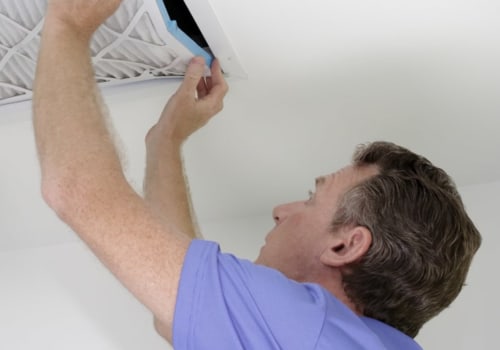
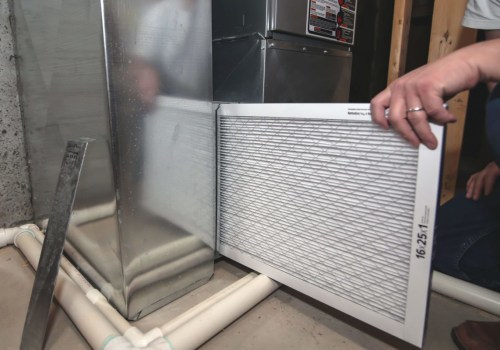
The most critical aspect of maintaining your air purifier is adhering to a strict filter replacement schedule. Medical-grade air purifiers typically use HEPA H13 filters, which are designed to capture a high percentage of airborne particles. However, over time, these filters can become clogged with dust, allergens, and other pollutants, reducing their effectiveness.
- Check Manufacturer Guidelines: Always refer to the manufacturer’s instructions for specific recommendations on how often to replace the filters. Generally, it is advisable to change HEPA filters every 6 to 12 months, depending on usage and air quality.
- Monitor Filter Indicators: Many modern air purifiers come equipped with filter change indicators that alert you when it’s time for a replacement.
Pay attention to these alerts to maintain optimal performance.
2.Clean Pre-Filters Regularly
In addition to replacing the HEPA filter, many medical-grade air purifiers have pre-filters that capture larger particles before they reach the HEPA filter. Cleaning or replacing these pre-filters regularly can significantly enhance the overall efficiency of your air purifier.
- Frequency: Depending on your environment, consider cleaning pre-filters every month and replacing them every 3 to 6 months.
- Cleaning Method: Most pre-filters can be vacuumed or washed with mild soap and water. Ensure they are completely dry before reinstalling them.
3.Keep the Surrounding Area Clean
The area around your air purifier plays a crucial role in its performance. Dust and debris can easily accumulate around the unit, obstructing airflow and reducing its efficiency.
- Regular Dusting: Dust the surfaces around your air purifier weekly to prevent particles from being drawn into the unit.
- Avoid Obstructions: Ensure that there are no objects blocking the intake or exhaust vents of the purifier.
Maintain a clearance of at least a few feet around the device for optimal airflow.
4.Schedule Professional Maintenance
If you want to ensure that your medical-grade air purifier remains in top condition, consider scheduling professional maintenance once a year. Technicians can perform thorough inspections and cleanings that may not be possible through regular home maintenance.By following these maintenance tips, you can maximize the performance and longevity of your medical-grade air purifier, ensuring that it continues to provide you with clean and healthy indoor air.
Conclusion: Investing in Your Health with Medical Grade Air Purifiers
In summary, the importance of investing in a medical-grade air purifier cannot be overstated. As we have explored throughout this article, these advanced devices offer unparalleled filtration capabilities that significantly enhance indoor air quality. With the ability to capture up to 99.995% of airborne particles, including allergens, viruses, and pollutants, medical-grade air purifiers are essential for creating a safe and healthy living environment.One of the most compelling reasons to choose a medical-grade air purifier is its effectiveness in reducing health risks associated with poor air quality.For individuals with respiratory conditions, allergies, or compromised immune systems, the presence of airborne contaminants can exacerbate symptoms and lead to serious health complications. By utilizing a medical-grade air purifier equipped with HEPA H13 filters, you can dramatically lower the concentration of harmful particles in your home.Moreover, the rigorous testing and manufacturing standards that medical-grade air purifiers adhere to ensure that you are investing in a reliable product. Unlike standard residential models, which may not undergo the same level of scrutiny, medical-grade purifiers are designed for environments where air quality is critical. This commitment to quality is particularly evident in brands like IQAir, which prioritize performance and safety.Additionally, as we navigate through an era marked by heightened awareness of airborne diseases and environmental pollutants, having a medical-grade air purifier becomes not just a luxury but a necessity.
The ongoing challenges posed by pollution and pathogens make it imperative to take proactive measures in safeguarding our health.In conclusion, investing in a medical-grade air purifier is a proactive step towards ensuring better indoor air quality and overall well-being. Whether you are looking to protect your family from allergens or simply want to breathe cleaner air, these devices provide an effective solution. By prioritizing your health and making informed choices about the air you breathe at home, you can create a sanctuary that promotes wellness and vitality.