In today’s world, where air quality is increasingly compromised by pollution, allergens, and indoor contaminants, understanding the role of an air purifier for home use is essential. An air purifier is a device designed to remove particles from the air in a room, enhancing the overall air quality. These devices are particularly beneficial in bedrooms, where we spend a significant portion of our lives. By filtering out harmful pollutants, air purifiers can create a healthier sleeping environment, which is crucial for restorative sleep.So, how do air purifiers work? At their core, these devices utilize a combination of filtration technologies to capture and eliminate airborne particles.
Most commonly, they employ HEPA (High-Efficiency Particulate Air) filters that can trap up to 99.97% of particles as small as 0.3 microns. This includes dust, pollen, pet dander, and even some bacteria and viruses. Additionally, many modern air purifiers incorporate activated carbon filters that absorb odors and volatile organic compounds (VOCs), further improving indoor air quality.The benefits of using an air purifier extend beyond just cleaner air. Improved air quality can lead to better sleep quality by reducing allergens that trigger respiratory issues or allergies during the night.
Furthermore, cleaner air can enhance overall well-being by minimizing exposure to harmful substances that may contribute to long-term health problems. As we delve deeper into the surprising advantages of sleeping next to an air purifier, it becomes clear that these devices are not just luxury items but essential tools for maintaining a healthy home environment.
The Health Benefits of Sleeping with an Air Purifier
Utilizing an air purifier while you sleep can significantly enhance your health and well-being. One of the primary benefits is the improvement in air quality , which directly influences your sleep quality. When you breathe cleaner air, your body can relax more effectively, allowing for deeper and more restorative sleep cycles.Many individuals suffer from allergies triggered by common household pollutants such as dust mites, pet dander, and pollen.An air purifier effectively reduces these allergens, creating a more comfortable sleeping environment. By filtering out these irritants, you may experience fewer allergy symptoms at night, such as sneezing, coughing, or nasal congestion, which can disrupt your sleep.Moreover, improved air quality can lead to a reduction in respiratory issues. For those with asthma or other chronic respiratory conditions, sleeping next to an air purifier can help minimize exposure to airborne triggers. This not only aids in better sleep but also contributes to overall lung health.Another significant advantage of using an air purifier is its ability to eliminate harmful particles and pathogens from the air.
Many modern air purifiers are equipped with HEPA filters that capture 99.97% of particles as small as 0.3 microns. This includes bacteria and viruses that can compromise your immune system while you sleep. By reducing the presence of these harmful agents, you are less likely to wake up feeling unwell or fatigued.Additionally, the presence of an air purifier can help mitigate unpleasant odors that may disrupt your sleep. Whether it’s cooking smells, pet odors, or musty scents, an air purifier can neutralize these disturbances, creating a fresher atmosphere conducive to relaxation.In summary, the health benefits of sleeping with an air purifier extend beyond just cleaner air.
From reducing allergens and improving respiratory health to enhancing overall sleep quality and comfort, investing in a high-quality air purifier for home use is a proactive step towards better health and well-being.
How Air Purifiers Improve Sleep Quality
When it comes to achieving a restful night’s sleep, the quality of the air we breathe plays a crucial role. An air purifier for home use can significantly enhance sleep quality by creating a cleaner, healthier sleeping environment. This section delves into how air purifiers contribute to better sleep through various mechanisms.One of the primary benefits of using an air purifier is its ability to reduce allergens and irritants in the air. Common indoor pollutants such as dust mites, pet dander, and pollen can trigger allergies and respiratory issues, leading to disrupted sleep.By filtering out these particles, an air purifier helps create a more comfortable atmosphere conducive to uninterrupted rest.Moreover, the calming effect of clean air cannot be overstated. Breathing in fresh, purified air can promote relaxation and reduce stress levels. This is particularly important for individuals who suffer from anxiety or insomnia. The act of inhaling clean air can signal to your body that it is time to unwind, making it easier to drift off into a deep sleep.
Noise Levels and Sleep
Another common concern regarding air purifiers is their noise levels.While some models can be noisy, many modern air purifiers are designed with quiet operation in mind. The gentle hum of an air purifier can actually serve as a form of white noise, which many people find soothing. This background sound can mask other disruptive noises from outside or within the home, further enhancing your ability to fall asleep and stay asleep.To maximize the benefits of an air purifier while sleeping, it’s essential to choose one that operates quietly at night. Look for models with a "sleep mode" feature that reduces fan speed and noise levels while still effectively purifying the air.
This way, you can enjoy the advantages of cleaner air without the distraction of loud machinery.In summary, incorporating an air purifier for home use into your bedroom routine can lead to significant improvements in sleep quality. By eliminating allergens, promoting relaxation through clean air, and providing soothing background noise, these devices create an ideal environment for restful slumber. Investing in a high-quality air purifier not only enhances your sleep but also contributes to your overall health and well-being.
Choosing the Right Air Purifier for Your Bedroom
When it comes to selecting the best air purifier for your bedroom, several factors come into play that can significantly impact your sleep quality and overall health. Understanding these features will help you make an informed decision that suits your specific needs.Key Features to Consider
- Size and Coverage Area: The size of the air purifier is crucial.
It should be appropriate for the dimensions of your bedroom. Most manufacturers provide a recommended coverage area, typically measured in square feet. For optimal performance, choose a model that can handle at least 20% more than your room's size.
- Noise Level: Since you’ll be sleeping next to the air purifier, consider its noise level. Look for models that operate quietly, especially on lower settings.
Many air purifiers have a "sleep mode" that reduces noise while maintaining effective air cleaning.
- Filter Types: The effectiveness of an air purifier largely depends on its filters. HEPA filters are highly recommended as they can capture 99.97% of particles as small as 0.3 microns, including dust, pollen, and pet dander. Additionally, consider models with activated carbon filters to eliminate odors and volatile organic compounds (VOCs).
- Energy Efficiency: Look for energy-efficient models that are certified by Energy Star. This not only helps reduce your electricity bill but also minimizes environmental impact.
- Portability: If you plan to move the air purifier between rooms or take it with you while traveling, consider its weight and design.
Compact and lightweight models are easier to transport.
Additional Considerations
Before making a purchase, read customer reviews and ratings to gauge real-world performance and reliability. Some brands offer smart features like air quality sensors and app connectivity, allowing you to monitor air quality remotely and adjust settings accordingly.In summary, choosing the right air purifier for home use involves evaluating size, noise level, filter types, energy efficiency, and portability. By considering these factors, you can ensure that your bedroom remains a sanctuary of clean air and restful sleep.Placement Tips for Maximum Effectiveness
When it comes to maximizing the effectiveness of your air purifier for home, proper placement is crucial. The way you position your air purifier can significantly influence its ability to clean the air in your bedroom.Here are some essential tips to ensure you get the most out of your device.
1.Central Location is Key
To optimize airflow and purification, place your air purifier in a central location within the room. This allows the device to draw in air from all directions, enhancing its efficiency. Avoid placing it in corners or behind furniture, as these locations can obstruct airflow and reduce its effectiveness.2.Height Matters
Consider the height at which you place your air purifier. Ideally, it should be elevated off the ground, as many pollutants are found at lower levels.A small table or stand can help position the unit closer to the average breathing height of adults, allowing it to capture airborne particles more effectively.
3.Avoid Direct Airflow
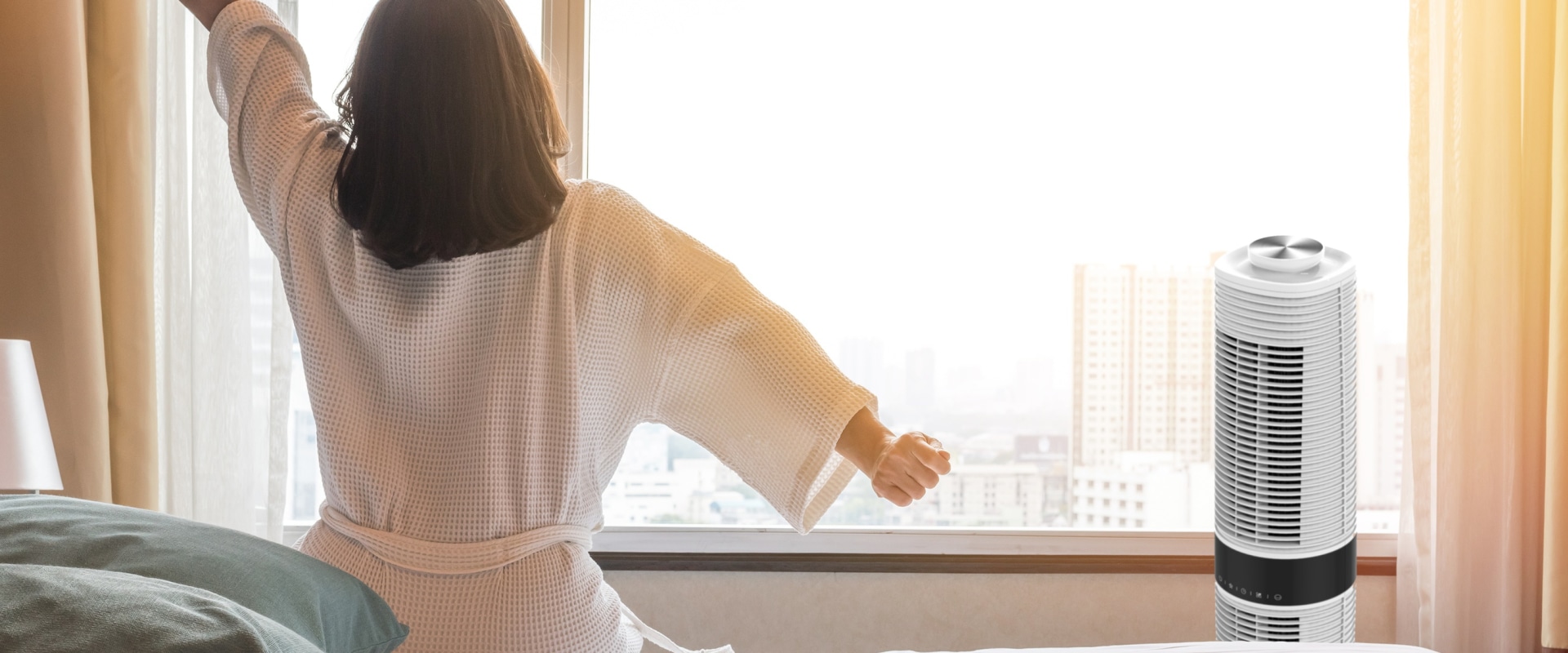
While it’s important for the air purifier to be near your bed, avoid placing it directly next to your sleeping area. Direct airflow can be disruptive and uncomfortable during sleep. Instead, position it a few feet away, ensuring that it still effectively circulates clean air without blowing directly onto you.4.Keep It Clear
Ensure that there are no obstructions around the air purifier. Items like curtains, furniture, or other appliances can block airflow and hinder performance.Maintain a clear space of at least 2-3 feet around the unit to allow for optimal air circulation.
5.Consider Airflow Dynamics
Understanding how air moves within your bedroom can also guide placement decisions. If you have windows or doors that frequently open, consider positioning the air purifier away from these areas to prevent it from drawing in unfiltered outdoor air. Instead, place it where it can continuously circulate and purify the existing indoor air.6.Utilize Multiple Units if Necessary
If your bedroom is particularly large or has multiple levels (like a loft), consider using more than one air purifier. This ensures that every corner of the room receives adequate filtration and clean air circulation.By following these placement tips, you can significantly enhance the performance of your air purifier for home, ensuring that you breathe cleaner, healthier air while you sleep.Common Misconceptions About Sleeping Next to an Air Purifier
When it comes to using an air purifier while sleeping, several misconceptions can lead to unnecessary concerns.Understanding these myths is crucial for making informed decisions about your sleep environment.
Myth 1: Air Purifiers Are Too Noisy for Sleep
One of the most common fears is that air purifiers generate excessive noise, disrupting sleep. While it’s true that some models can be noisy, many modern air purifiers are designed with whisper-quiet technology. These devices often feature multiple fan speeds, allowing users to select a quieter setting during the night. In fact, many people find the gentle hum of an air purifier to be soothing, akin to white noise, which can help mask other disruptive sounds.
Myth 2: Air Purifiers Will Dry Out the Air
Another prevalent concern is that air purifiers may dry out the air in your bedroom.
However, air purifiers primarily function by filtering out pollutants and do not remove moisture from the air. If you live in a particularly dry climate or use heating systems that lower humidity levels, consider using a humidifier alongside your air purifier to maintain optimal moisture levels.
Myth 3: They Are Ineffective When Placed Too Close
Some individuals believe that placing an air purifier too close to their bed will hinder its effectiveness. In reality, positioning the unit near your sleeping area can enhance its ability to filter the air you breathe while you sleep. The key is to ensure that the airflow is directed away from your face to avoid any discomfort.
Myth 4: Air Purifiers Are Only Necessary During Allergy Season
Many people think that air purifiers are only beneficial during specific times of the year, such as allergy season.
However, indoor air quality can be compromised year-round due to dust, pet dander, mold spores, and even volatile organic compounds (VOCs) emitted from household products. Running an air purifier consistently can help maintain a healthier living environment at all times.
Myth 5: All Air Purifiers Are Alike
Not all air purifiers are created equal. Some models are specifically designed to target certain pollutants or allergens, while others may lack essential features like HEPA filters or activated carbon layers. It’s important to choose a high-quality air purifier tailored to your specific needs for optimal results.By debunking these common myths about sleeping next to an air purifier, you can make a more informed choice about incorporating one into your nightly routine.
With the right model and placement, you can enjoy cleaner air and improved sleep quality without unnecessary worries.
Real-Life Experiences: Testimonials from Users
Many users have shared their personal experiences with sleeping next to an air purifier for home, highlighting the transformative effects it has had on their sleep quality and overall health. Here are some compelling testimonials that illustrate the benefits of incorporating an air purifier into your nighttime routine.Improved Sleep Quality
Jessica, a long-time allergy sufferer, reported a significant improvement in her sleep after introducing an air purifier into her bedroom. "Before I started using the air purifier, I would often wake up congested and struggling to breathe. Now, I sleep through the night without interruptions, and I wake up feeling refreshed and clear-headed," she shared.This sentiment is echoed by many users who find that cleaner air leads to deeper, more restorative sleep.
Reduction in Allergies and Asthma Symptoms
Mark, who has asthma, noted that his symptoms have lessened since he began using an air purifier. "I used to wake up several times a night due to wheezing and coughing. Since I started using my air purifier, those episodes have drastically reduced. I can finally enjoy a good night's sleep without worrying about my breathing," he explained.This highlights how an air purifier for home can be particularly beneficial for individuals with respiratory issues.
Enhanced Overall Well-Being
Another user, Sarah, emphasized the psychological benefits of having cleaner air while she sleeps. "I never realized how much my environment affected my mood until I started using an air purifier. The air feels fresher, and I feel more relaxed at night. It’s like a weight has been lifted off my shoulders," she said.This reflects a common theme among users who report feeling more at ease and less stressed when they know they are breathing clean air.
Noise Levels and Comfort
While some people worry about the noise from air purifiers disrupting their sleep, many users have found that the sound can actually be soothing. Tom mentioned, "I was concerned about the noise at first, but I found that the gentle hum of my air purifier helps me fall asleep faster. It’s like white noise that drowns out other distractions." Choosing a model with adjustable fan speeds can help users find the perfect balance between effective purification and comfort.In summary, real-life experiences from users reveal that sleeping next to an air purifier for home can lead to improved sleep quality, reduced allergy symptoms, enhanced well-being, and even comforting background noise. These testimonials underscore the importance of clean air in promoting better health and restful nights.Frequently Asked Questions About Air Purifiers and Sleep
When considering the use of an air purifier for home, many individuals have questions about how these devices can impact their sleep.Below are some of the most frequently asked questions regarding air purifiers and their use during nighttime.
1.Can an air purifier help with allergies while I sleep?
Absolutely! An air purifier is designed to filter out allergens such as pollen, dust mites, and pet dander from the air. By running an air purifier in your bedroom at night, you can significantly reduce your exposure to these irritants, which may lead to improved sleep quality and reduced allergy symptoms.2.Is it safe to sleep with an air purifier on?
Yes, it is generally safe to sleep with an air purifier operating. Most modern air purifiers are designed to run continuously without any harmful effects. However, it’s essential to choose a model that is energy-efficient and has low noise levels to ensure a peaceful sleeping environment.3.How loud are air purifiers when they operate?
The noise level of an air purifier varies by model.Many units have a "sleep mode" that reduces fan speed and noise, making them quieter during the night. If you are sensitive to sound while sleeping, look for models specifically designed for quiet operation.
4.Where should I place my air purifier in the bedroom?
For optimal performance, position your air purifier in a central location in the room, ideally at least a few feet away from your bed. Ensure that the air intake is not obstructed by furniture or walls, as this can hinder its ability to circulate clean air effectively.5.What should I do if my air purifier is too noisy?
If you find that your air purifier is disruptive at night, consider adjusting its settings to a lower fan speed or utilizing its sleep mode if available. Additionally, check if the filters need replacing; clogged filters can cause increased noise levels.6.Can I use essential oils with my air purifier?
Most air purifiers are not designed for use with essential oils or fragrances, as these can damage the internal components and filters.If you wish to enjoy aromatherapy while sleeping, consider using a separate diffuser specifically designed for essential oils.By addressing these common concerns, potential users can make informed decisions about incorporating an air purifier for home into their nighttime routine, ultimately leading to better health and improved sleep quality.
Conclusion: Embracing Cleaner Air for Better Sleep
In summary, the advantages of incorporating an air purifier for home use, particularly in your bedroom, are both profound and multifaceted. As we have explored throughout this article, the presence of an air purifier can significantly enhance your sleep quality by creating a cleaner and healthier sleeping environment.One of the most compelling benefits is the reduction of airborne pollutants. By effectively filtering out allergens such as dust mites, pollen, and pet dander, an air purifier helps to alleviate respiratory issues and promotes easier breathing during sleep. This is especially crucial for individuals who suffer from allergies or asthma, as cleaner air can lead to fewer nighttime awakenings and a more restful slumber.Moreover, the psychological comfort that comes from knowing you are breathing cleaner air cannot be overstated.The soothing hum of a well-designed air purifier can even serve as a form of white noise, helping to mask disruptive sounds from outside your home. This dual function not only purifies the air but also creates a tranquil atmosphere conducive to relaxation and sleep.Additionally, investing in a high-quality air purifier can lead to long-term health benefits. Improved air quality has been linked to better overall health outcomes, including reduced risk of respiratory infections and enhanced immune function. By prioritizing clean air in your sleeping space, you are taking proactive steps toward safeguarding your health.As you consider the placement and operation of your air purifier, remember that its effectiveness is maximized when it is strategically positioned in your bedroom.
Ensuring that it is not obstructed by furniture and that it operates at an optimal speed will allow you to reap the full benefits of its capabilities.In conclusion, embracing the use of an air purifier for home settings—especially in your bedroom—can transform your sleep experience. By fostering a cleaner environment, you not only enhance your sleep quality but also invest in your long-term health and well-being. So take the leap towards better sleep; your body and mind will thank you for it.