Indoor air quality (IAQ) is a critical yet often overlooked aspect of our living environments. While we may focus on the cleanliness of our homes, the quality of the air we breathe indoors can significantly impact our health and well-being. In fact, studies have shown that indoor air can be up to five times more polluted than outdoor air, primarily due to the accumulation of various pollutants such as dust, mold, pet dander, and volatile organic compounds (VOCs) emitted from household products. Understanding the importance of maintaining good indoor air quality is essential for everyone, especially for those with pre-existing respiratory conditions.The significance of clean air cannot be overstated.
Poor indoor air quality has been linked to a range of health issues, including respiratory diseases, allergies, and even cardiovascular problems. According to the Environmental Protection Agency (EPA), long-term exposure to indoor air pollutants can lead to serious health complications, making it imperative for homeowners to take proactive measures in ensuring their living spaces are safe and healthy. This is particularly crucial for vulnerable populations such as children, the elderly, and individuals with chronic health conditions who may be more susceptible to the adverse effects of polluted air.Moreover, the psychological effects of poor indoor air quality should not be ignored. Studies suggest that exposure to pollutants can lead to increased stress levels and decreased cognitive function.
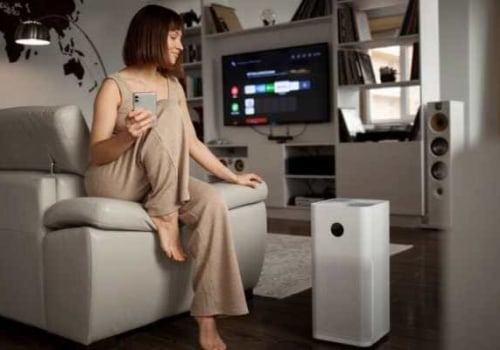
As we spend a significant amount of time indoors—whether at home or in workplaces—ensuring that our indoor environments are conducive to good health is vital. This is where the role of an air purifier for home becomes increasingly relevant. By effectively removing harmful particles and improving overall air quality, air purifiers can play a pivotal role in safeguarding our health and enhancing our quality of life.
What Are Air Purifiers and How Do They Work?
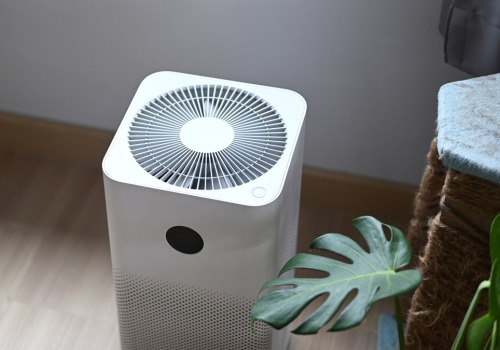
Air purifiers are devices designed to improve indoor air quality by removing contaminants from the air. They are particularly beneficial for individuals with respiratory issues, allergies, or those living in areas with high levels of pollution.Understanding how these devices work and the different types available can help you make an informed decision when selecting an air purifier for home.
How Air Purifiers Work
Most air purifiers operate using a combination of filtration and purification technologies. The primary mechanism involves drawing in air from the surrounding environment, filtering it, and then releasing clean air back into the room. Here’s a breakdown of the common processes:
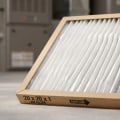
- Filtration: This is the most common method used in air purifiers. Filters, such as HEPA (High-Efficiency Particulate Air) filters, capture particles as small as 0.3 microns, including dust, pollen, and pet dander.
- Activated Carbon: Many air purifiers also include activated carbon filters that absorb odors and volatile organic compounds (VOCs) from the air, making them ideal for eliminating smoke and cooking smells.
- UV Light: Some models utilize ultraviolet light to kill bacteria and viruses, providing an additional layer of purification.
- Ionic Technology: Ionizers release charged particles that attach to airborne pollutants, causing them to clump together and fall to the ground or be captured by filters.
Types of Air Purifiers
There are several types of air purifiers available on the market, each designed to address specific needs:
- HEPA Air Purifiers: These are highly effective at trapping small particles and are recommended for allergy sufferers.
- Activated Carbon Air Purifiers: Best for odor removal, these purifiers excel in environments where cooking or smoke is prevalent.
- Ionic Air Purifiers: While they can reduce particulate matter, they may produce ozone as a byproduct, which can be harmful in high concentrations.
- UV-C Air Purifiers: Ideal for killing germs and bacteria, these purifiers are often used in healthcare settings.
By understanding the various types and technologies available, you can select an air purifier that best meets your needs and enhances your indoor air quality.
The Health Benefits of Using an Air Purifier for Lung Health
Utilizing an air purifier for home use can significantly enhance lung health and overall respiratory well-being. The benefits of these devices extend beyond mere comfort; they play a crucial role in mitigating the adverse effects of indoor air pollution, which can be particularly harmful to vulnerable populations.One of the primary advantages of air purifiers is their ability to filter out harmful particles from the air. These include:- Allergens: Pollen, dust mites, and mold spores can trigger allergic reactions and exacerbate asthma symptoms.
- Pet Dander: For pet owners, dander can be a significant source of indoor allergens that affect lung health.
- Smoke Particles: Whether from cooking or tobacco use, smoke can irritate the lungs and lead to chronic respiratory issues.
- Volatile Organic Compounds (VOCs): Emitted from household products, these compounds can contribute to poor air quality and respiratory discomfort.
This is largely due to the reduction in airborne irritants that can trigger attacks or worsen existing conditions.Moreover, clean air contributes to better lung function. When the air is free from pollutants, the lungs do not have to work as hard to filter out harmful substances. This can lead to:
- Improved Breathing: Individuals often report easier breathing and reduced coughing when using an air purifier.
- Enhanced Sleep Quality: Better air quality can lead to more restful sleep, which is vital for overall health and recovery.
- Lower Risk of Respiratory Infections: By reducing airborne pathogens, air purifiers may help decrease the likelihood of infections that can compromise lung health.
Common Indoor Pollutants and Their Effects on Health
Indoor air quality is often compromised by a variety of pollutants that can significantly impact our health.Understanding these common indoor pollutants and their effects is crucial for maintaining a healthy living environment.
- Dust Mites: These microscopic creatures thrive in warm, humid environments and are commonly found in bedding, carpets, and upholstered furniture. Dust mite droppings are potent allergens that can trigger asthma attacks and allergic reactions, leading to symptoms such as sneezing, runny nose, and itchy eyes.
- Pet Dander: For pet owners, dander is a significant concern. Composed of tiny flakes of skin shed by cats, dogs, and other furry animals, pet dander can remain airborne for long periods. It is a common allergen that can exacerbate respiratory issues and cause allergic reactions in sensitive individuals.
- Smoke: Whether from tobacco products or cooking, smoke is a major indoor pollutant.
It contains harmful chemicals that can irritate the lungs and throat, leading to chronic respiratory conditions. Secondhand smoke is particularly dangerous for children and non-smokers, increasing their risk of developing serious health issues.
- Volatile Organic Compounds (VOCs): Found in many household products such as paints, cleaning supplies, and air fresheners, VOCs can evaporate into the air and contribute to poor indoor air quality. Exposure to high levels of VOCs can lead to headaches, dizziness, and long-term health effects such as liver damage or cancer.
- Mold Spores: Mold thrives in damp areas of the home, such as bathrooms and basements. Mold spores can become airborne and trigger allergic reactions or respiratory problems when inhaled.
Individuals with weakened immune systems or pre-existing respiratory conditions are particularly vulnerable to mold exposure.
Choosing the Right Air Purifier for Your Home
When it comes to enhancing your indoor air quality, selecting the right air purifier for home use is crucial.With a plethora of options available, understanding your specific needs and preferences can significantly streamline the decision-making process. Here are some key factors to consider when choosing an air purifier:
- Filter Type: The type of filter is one of the most important aspects to consider. HEPA filters are renowned for their efficiency in capturing small particles, including dust, pollen, and pet dander. If you or your family members suffer from allergies or asthma, opting for a model with a true HEPA filter is highly recommended.
- Room Size: Air purifiers come with different coverage capacities.
It’s essential to choose a unit that matches the size of the room where it will be used. Check the manufacturer’s specifications for the recommended square footage to ensure optimal performance.
- Noise Level: Depending on where you plan to use the air purifier, noise levels can be a significant factor. Some models operate quietly, making them suitable for bedrooms or offices, while others may produce more sound. Look for units that offer a range of fan speeds to adjust noise levels according to your needs.
- Maintenance and Filter Replacement: Regular maintenance is vital for an air purifier's effectiveness.
Consider how often filters need to be replaced and the associated costs. Some models come with filter change indicators, which can be helpful in keeping track of maintenance schedules.
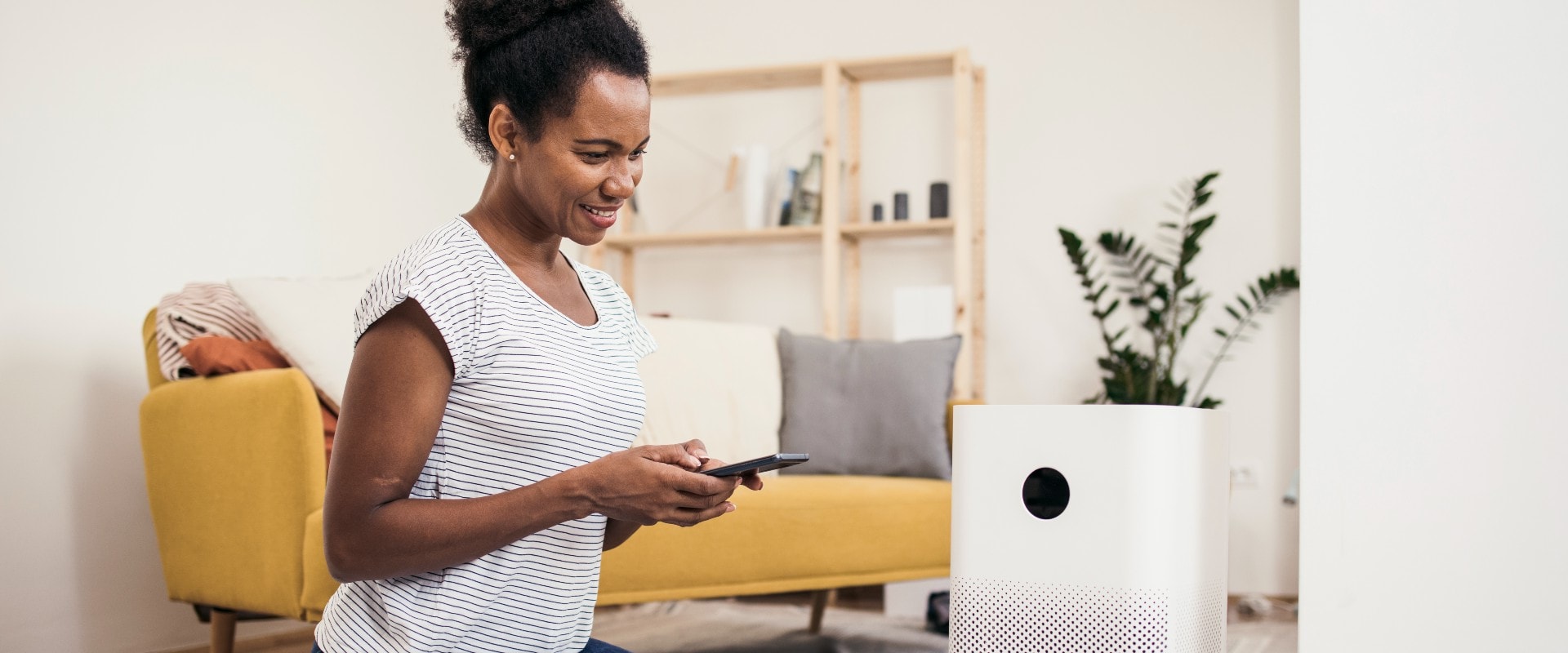
- Additional Features: Many modern air purifiers come equipped with advanced features such as air quality sensors, smart connectivity, and programmable timers. These features can enhance usability and provide real-time feedback on your indoor air quality.
- Dyson Pure Cool TP01: This model not only purifies but also functions as a fan, making it ideal for warmer climates.
- Honeywell HPA300: Known for its powerful HEPA filtration system, this unit is perfect for larger rooms.
- Levoit Core 300: A compact option that offers excellent filtration at an affordable price point.
Maintaining Your Air Purifier for Optimal Performance
To ensure that your air purifier for home operates at peak efficiency, regular maintenance is essential.Proper care not only extends the lifespan of the device but also maximizes its ability to improve indoor air quality. Here are some key maintenance tips to keep in mind:
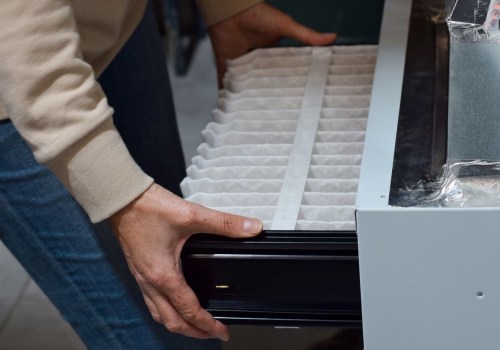
- Regular Filter Replacement: One of the most critical aspects of maintaining your air purifier is timely filter replacement. Most manufacturers recommend changing HEPA filters every 6 to 12 months, depending on usage and air quality. If you have pets or live in a high-pollution area, you may need to replace filters more frequently.
- Pre-Filters: Many air purifiers come with pre-filters designed to capture larger particles like dust and pet hair.
These should be cleaned or replaced every few months to prevent clogging and ensure optimal airflow.
- Cleaning the Unit: In addition to changing filters, regularly wipe down the exterior of your air purifier with a damp cloth. Dust and grime can accumulate on the surface, which may affect its performance.
- Check for Blockages: Ensure that the air intake and outlet vents are free from obstructions. Blocked vents can significantly reduce the efficiency of your air purifier, making it work harder and potentially leading to overheating.
- Monitor Air Quality: Some advanced models come with built-in air quality sensors that provide real-time feedback. Pay attention to these indicators; if you notice a decline in performance, it may be time for maintenance.
Here are additional tips to enhance its performance:
- Optimal Placement: Position your air purifier in a central location within the room, away from walls and furniture that could obstruct airflow. This allows for better circulation and more effective purification.
- Keep Windows Closed: To maximize the effectiveness of your air purifier, keep windows and doors closed while it is running. This prevents outdoor pollutants from entering and allows the unit to focus on cleaning indoor air.
- Avoid Excessive Dust: Regularly clean your home to minimize dust accumulation. Vacuuming carpets and upholstery, along with dusting surfaces, can significantly reduce the workload on your air purifier.
Air Purifiers vs.
Other Methods of Improving Indoor Air QualityWhen it comes to enhancing indoor air quality, many homeowners often find themselves weighing the benefits of air purifiers against other methods such as ventilation and natural solutions. Each approach has its own merits and limitations, making it essential to understand how they compare in effectiveness.
Air Purifiers vs. Ventilation
Ventilation is a fundamental method for improving indoor air quality. It involves bringing in fresh outdoor air while expelling stale indoor air.
This process can significantly reduce indoor pollutants, especially in homes that are tightly sealed for energy efficiency. However, the effectiveness of ventilation largely depends on outdoor air quality. In areas with high levels of pollution, relying solely on ventilation can inadvertently introduce harmful particles into the home.On the other hand, air purifiers are designed to filter out specific contaminants from the air within your home, including allergens, dust, and smoke. Unlike ventilation, which can sometimes exacerbate indoor air quality issues, air purifiers actively remove pollutants regardless of outdoor conditions.
This makes them particularly valuable in urban environments or regions prone to wildfires.
Alternatives to Air Purifiers
While air purifiers are effective, there are several alternatives that can also contribute to better indoor air quality:
- Houseplants: Certain plants can naturally filter toxins from the air. For example, spider plants and peace lilies are known for their air-purifying properties.
- Regular Cleaning: Frequent dusting and vacuuming can help reduce allergens and particulate matter in your home.
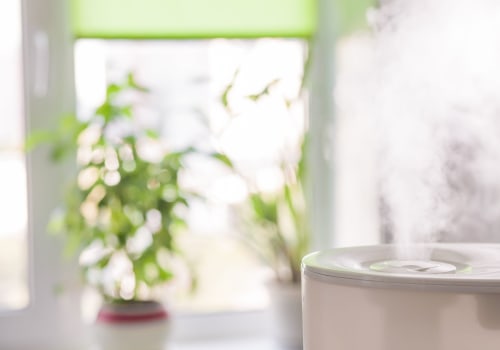
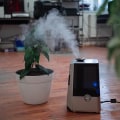
- Humidity Control: Maintaining optimal humidity levels (between 30-50%) can prevent mold growth and dust mites, both of which contribute to poor air quality.
- Natural Ventilation: Opening windows and doors when outdoor conditions permit can help refresh indoor air without introducing excessive pollutants.
Improving Indoor Air Quality Methods
A comprehensive approach to improving indoor air quality often combines multiple methods. For instance, using an air purifier alongside regular cleaning routines and humidity control measures can create a synergistic effect that maximizes health benefits. Additionally, investing in a home air quality monitor can provide insights into specific pollutants present in your environment, allowing you to tailor your approach effectively.In conclusion, while air purifiers offer targeted filtration of harmful particles, they work best when integrated with other strategies like proper ventilation and regular maintenance practices.
By understanding the strengths and weaknesses of each method, homeowners can create a healthier living space that supports lung health and overall well-being.
Frequently Asked Questions About Air Purifiers and Lung Health
As air purifiers gain popularity, many individuals have questions regarding their effectiveness and impact on lung health. Below are some of the most frequently asked questions that can help clarify common misconceptions and provide valuable insights.1.How do air purifiers improve lung health?
Air purifiers work by filtering out harmful particles from the air, including dust, pollen, pet dander, and smoke. By reducing these pollutants, they can significantly lower the risk of respiratory issues and improve overall lung function. Cleaner air means less irritation for the lungs, which is particularly beneficial for individuals with pre-existing conditions such as asthma or chronic obstructive pulmonary disease (COPD).2.Are all air purifiers equally effective?
No, not all air purifiers are created equal.The effectiveness of an air purifier largely depends on its filtration system.
HEPA filters
are considered the gold standard for removing small particles from the air. When choosing an air purifier for home use, look for models that specifically mention HEPA filtration to ensure optimal performance.3.Can air purifiers help with allergies?
Yes, air purifiers can be particularly beneficial for allergy sufferers. They can capture allergens such as pollen, mold spores, and dust mites, which are common triggers for allergic reactions.By maintaining a cleaner indoor environment, air purifiers can help alleviate symptoms like sneezing, runny nose, and itchy eyes.
4.How often should I replace the filter in my air purifier?
The frequency of filter replacement depends on the type of filter and how often the air purifier is used. Generally, HEPA filters should be replaced every 6 to 12 months for optimal performance. Always refer to the manufacturer's guidelines for specific recommendations.5.Do air purifiers eliminate odors?
Many air purifiers are designed to reduce odors by using activated carbon filters in addition to HEPA filters. These carbon filters can absorb unpleasant smells from cooking, pets, and smoke, contributing to a fresher indoor atmosphere.6.Is it safe to run an air purifier continuously?
Yes, it is safe to run an air purifier continuously.In fact, many experts recommend doing so to maintain consistently clean air in your home. Continuous operation helps ensure that pollutants are constantly being filtered out, providing ongoing protection for your lungs.In summary, understanding how air purifiers function and their benefits can empower you to make informed decisions about your indoor air quality and lung health. If you have further questions or specific concerns about your situation, consulting with a healthcare professional is always advisable.
Conclusion: The Essential Role of Air Purifiers in Promoting Lung Health at Home
In conclusion, the significance of utilizing an air purifier for home environments cannot be overstated, especially when it comes to promoting lung health. As we have explored throughout this article, the air we breathe indoors can often be more polluted than outdoor air, making it essential to take proactive measures to ensure a clean and safe living space.By effectively removing harmful particles such as dust, pollen, pet dander, and smoke, air purifiers play a crucial role in reducing the risk of respiratory issues.This is particularly important for individuals with pre-existing conditions like asthma or COPD, as well as vulnerable populations such as children and the elderly. The ability of air purifiers to filter out these pollutants not only helps in alleviating symptoms but also contributes to long-term lung health.Moreover, the use of high-efficiency particulate air (HEPA) filters in many modern air purifiers ensures that even the smallest particles are captured, providing a higher standard of air quality. Regular maintenance, including cleaning or replacing filters, is vital to maintain their effectiveness and ensure that they continue to provide clean air.As we have discussed, indoor air pollution is a pressing issue that can lead to serious health consequences. By investing in an air purifier for home, you are taking a significant step towards safeguarding your health and enhancing your overall well-being.
It is not merely about comfort; it is about creating a healthier environment for you and your loved ones.In summary, the essential role of air purifiers in promoting lung health at home cannot be ignored. They serve as a powerful tool in combating indoor air pollution and ensuring that the air you breathe is as clean as possible. As awareness of the importance of indoor air quality continues to grow, incorporating an air purifier into your home should be considered a fundamental aspect of maintaining respiratory health.