HEPA filters, or High Efficiency Particulate Air filters, are a cornerstone of modern air purification technology. Designed to trap a vast array of airborne particles, these filters are essential for maintaining clean indoor air quality. The effectiveness of a HEPA filter is quantified by its ability to capture at least 99.97% of particles that are 0.3 microns in diameter. This includes common allergens such as dust mites, pollen, and pet dander, as well as more harmful contaminants like mold spores and certain bacteria. HEPA filters, or High Efficiency Particulate Air filters, are a cornerstone of modern air purification technology. Designed to trap a vast array of airborne particles, these filters are essential for maintaining clean indoor air quality. The effectiveness of a HEPA filter is quantified by its ability to capture at least 99.97% of particles that are 0.3 microns in diameter. This includes common allergens such as dust mites, pollen, and pet dander, as well as more harmful contaminants like mold spores and certain bacteria.
Understanding the mechanics behind HEPA filters is crucial for anyone looking to improve their home’s air quality. There are various types of HEPA filters available on the market, each designed for specific applications. Standard HEPA filters are typically classified into three categories: H10, H11, and H12, with H12 being the most efficient among them. However, medical grade HEPA filters take this efficiency a step further by being classified as H13 or higher. These filters are engineered to meet stringent standards required in healthcare settings, where the stakes for air quality are significantly higher due to the presence of vulnerable populations. The primary function of HEPA filters is to physically trap particles as air passes through them.
This is achieved through a combination of mechanisms including interception, inertial impaction, and diffusion. While standard HEPA filters are effective for general use in homes and offices, medical grade HEPA filters offer enhanced performance that is critical in environments such as hospitals and laboratories. By understanding these differences, consumers can make informed decisions when selecting an air purifier for home use that meets their specific needs. In summary, the distinction between standard and medical grade HEPA filters is not merely academic; it has real-world implications for health and safety. As we delve deeper into the world of air purification technology, it becomes clear that investing in high-quality filtration systems can lead to significant improvements in indoor air quality and overall well-being.
What Makes Medical Grade HEPA Filters Different?
When it comes to air purification, not all HEPA filters are created equal.Medical grade HEPA filters, particularly those rated as H13, stand out due to their exceptional efficiency and ability to capture a wide range of airborne particles. Understanding the specifications and performance of these filters is crucial for anyone looking to improve indoor air quality.
What is an H13 Filter?
HEPA, which stands for High Efficiency Particulate Air, is a classification that indicates a filter's ability to trap particles of varying sizes. Filters are rated from H10 to H14, with H13 being the standard for medical-grade applications. An H13 filter must remove at least 99.95% of particles that are 0.1 microns in size and 99.97% of particles that are 0.3 microns in size.
This level of filtration is essential in environments where air quality is paramount, such as hospitals and laboratories.
Superior Efficiency
The efficiency of medical grade HEPA filters lies in their design and material composition. These filters utilize a dense mat of fibers that create a complex maze for airborne particles. As air passes through the filter, particles are captured through various mechanisms:
- Interception: Particles follow the airflow and come into contact with the fibers, sticking to them.
- Inertial Impaction: Larger particles cannot change direction quickly enough to follow the airflow and collide with the fibers.
- Diffusion: Smaller particles experience Brownian motion, causing them to collide with fibers more frequently.
Why Choose Medical Grade HEPA Filters?
Investing in an air purifier equipped with a medical grade HEPA filter can significantly enhance your indoor air quality. These filters are particularly beneficial for individuals with allergies, asthma, or other respiratory conditions, as they help reduce exposure to harmful airborne particles.
Furthermore, the peace of mind that comes from knowing your air purifier is equipped with an H13 filter can be invaluable in today’s world where air quality is increasingly compromised.In summary, the distinction between standard HEPA filters and medical grade HEPA filters lies in their efficiency ratings and particle capture capabilities. By choosing an air purifier that utilizes H13 filters, you are making a proactive choice for cleaner, healthier air in your home.
The Importance of Air Quality in Your Home
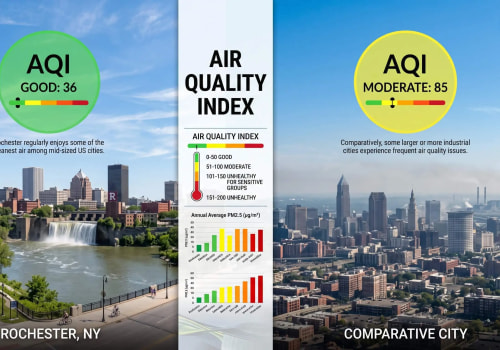
Maintaining good indoor air quality is essential for the overall health and well-being of everyone in your home. Many people underestimate the impact that the air they breathe can have on their health, often overlooking the fact that indoor air can be significantly more polluted than outdoor air. This is particularly concerning given that we spend approximately 90% of our time indoors, whether at home, work, or in other enclosed spaces.Health Effects of Poor Air Quality
- Respiratory Issues: Poor air quality can exacerbate existing respiratory conditions such as asthma and chronic obstructive pulmonary disease (COPD).
Pollutants like dust, mold spores, and pet dander can trigger allergic reactions and lead to breathing difficulties.
- Cardiovascular Problems: Studies have shown a link between poor indoor air quality and cardiovascular diseases. Prolonged exposure to airborne pollutants can increase the risk of heart attacks and strokes.
- Cognitive Impairment: Research indicates that poor air quality may affect cognitive function. High levels of carbon dioxide and volatile organic compounds (VOCs) can impair decision-making abilities and reduce productivity.
- Long-term Health Risks: Continuous exposure to indoor air pollutants has been associated with serious health issues, including lung cancer and other chronic diseases.
Benefits of Clean Air
- Improved Respiratory Health: Clean air reduces the risk of respiratory infections and allergies, allowing for easier breathing and better lung function.
- Enhanced Mental Clarity: A well-ventilated space with clean air can improve focus, concentration, and overall cognitive performance.
- Better Sleep Quality: Good indoor air quality contributes to a more restful sleep environment, which is crucial for physical and mental recovery.
- Overall Well-being: Clean air promotes a healthier lifestyle by reducing the risk of illness and enhancing mood, leading to a better quality of life.
By prioritizing indoor air quality, you are taking an essential step towards safeguarding your family's health.
How Medical Grade HEPA Filters Work
Understanding how medical grade HEPA filters work is essential for anyone looking to improve indoor air quality, especially in a home environment. These filters utilize a sophisticated filtration process that effectively captures a wide range of airborne particles, ensuring that the air you breathe is as clean as possible.At the core of a medical grade HEPA filter's functionality is its ability to trap particles through three primary mechanisms: interception , impaction , and diffusion .- Interception: This occurs when particles follow the airflow and come into contact with the fibers of the filter. If a particle is close enough to a fiber, it will stick to it, effectively removing it from the air stream.
- Impaction: Larger particles, typically those greater than 0.3 microns, are unable to follow the airstream due to their mass. As they collide with the filter fibers, they become trapped.
This mechanism is particularly effective for dust, pollen, and pet dander.
- Diffusion: This mechanism primarily affects smaller particles, especially those less than 0.1 microns. These tiny particles move erratically due to Brownian motion, increasing their chances of colliding with filter fibers and being captured.
For instance, pre-filters can be employed to catch larger particles before they reach the HEPA layer, thereby reducing wear and tear on the more delicate HEPA fibers.In summary, the intricate workings of medical grade HEPA filters involve a combination of physical principles that allow them to effectively purify air by capturing a wide array of harmful particles. Understanding these mechanisms not only highlights their importance in maintaining healthy indoor air quality but also aids consumers in making informed decisions when selecting an air purifier for home.
Choosing the Right Air Purifier for Your Home
When it comes to ensuring a healthy living environment, selecting the right air purifier for your home is crucial. With the increasing awareness of indoor air quality, many homeowners are turning to air purifiers equipped with medical grade HEPA filters for their superior filtration capabilities. Here’s a comprehensive guide to help you make an informed decision.Key Features to Consider
- Filter Type: Look for air purifiers that utilize medical grade HEPA filters, specifically those rated H13 or higher.
These filters can capture up to 99.995% of particles as small as 0.1 microns, including allergens, dust, and even some bacteria.
- Room Size: Ensure the air purifier is suitable for the size of the room where it will be used. Check the Clean Air Delivery Rate (CADR) rating, which indicates how quickly the unit can purify the air in a given space.
- Noise Level: Consider the noise level of the air purifier, especially if you plan to use it in bedrooms or quiet areas. Many models offer a range of settings, allowing you to choose a quieter operation during nighttime.
- Additional Filtration Technologies: Some air purifiers come with extra features like activated carbon filters for odor removal or UV-C light for killing germs. These can enhance the overall effectiveness of your air purification system.
- Maintenance and Filter Replacement: Check how often filters need to be replaced and the associated costs.
A model with easily accessible filters can save you time and effort in maintenance.
Buying Guide for Air Purifiers
- Research Brands: Look for reputable brands known for their quality and customer service. Reading reviews and testimonials can provide insight into product performance and reliability.
- Compare Features: Make a list of must-have features versus nice-to-have ones. This will help narrow down your options based on your specific needs and budget.
- Check Certifications: Ensure that the air purifier meets industry standards and certifications, such as Energy Star ratings or AHAM certification, which indicate efficiency and effectiveness.
- Warranty and Support: A good warranty can provide peace of mind. Check what is covered and for how long, as well as the availability of customer support.
Investing in a high-quality air purifier with a medical grade HEPA filter is a step towards creating a healthier living space for you and your family.
Comparing Air Purifiers: Medical Grade vs. Standard Filters
When it comes to choosing an air purifier for home use, understanding the differences between medical grade HEPA filters and standard HEPA filters is crucial. While both types of filters are designed to improve indoor air quality, their efficiency and effectiveness can vary significantly.Medical Grade HEPA Filters
, classified as H13 or higher, are engineered to capture a broader range of airborne particles. These filters can remove up to 99.995% of particles as small as 0.1 microns.
This includes not only common allergens like dust and pollen but also smaller particles such as smoke, bacteria, and even some viruses. The stringent testing standards for medical grade filters ensure that they perform exceptionally well in environments where air quality is paramount, such as hospitals and clinics.In contrast, standard HEPA filters , typically rated H10 to H12, are still effective but do not offer the same level of filtration. Standard HEPA filters are required to capture at least 99.97% of particles that are 0.3 microns in size. While this is sufficient for many household applications, it may not adequately address the needs of individuals with severe allergies or respiratory conditions.To illustrate the differences further, consider the following:
- Particle Size Efficiency: Medical grade HEPA filters excel at capturing smaller particles due to their advanced design and materials.
- Application Scope: Medical grade filters are ideal for sensitive environments, while standard filters may suffice for general home use.
- Lifespan and Maintenance: Medical grade filters often have a longer lifespan due to their robust construction, which can lead to lower long-term costs despite a higher initial investment.
The enhanced filtration capabilities can lead to noticeable improvements in air quality and overall health.In summary, while both medical grade and standard HEPA filters serve the purpose of purifying air, the choice between them should be guided by specific needs and health considerations. For those seeking the highest level of air purification, especially in a home environment where health is a priority, opting for a medical grade HEPA filter is a wise decision.
Common Misconceptions About HEPA Filters
When it comes to HEPA filters, there are numerous myths and misconceptions that can lead to confusion among consumers. Understanding the truth behind these filters is essential for making informed decisions about air purifiers for home use.Myth 1: All HEPA Filters Are the Same
One of the most prevalent misconceptions is that all HEPA filters offer the same level of filtration. In reality, HEPA filters are classified into different grades, with true HEPA filters rated H10 to H12, while medical-grade HEPA filters are classified as H13. This distinction is crucial because H13 filters can capture even smaller particles, making them significantly more effective in environments where air quality is paramount.
Myth 2: HEPA Filters Only Capture Large Particles
Another common myth is that HEPA filters are only effective against larger particles.
While it’s true that they excel at capturing dust and pet dander, they are also designed to trap much smaller particles, including allergens, bacteria, and even some viruses. The efficiency of a medical-grade HEPA filter allows it to remove up to 99.995% of particles down to 0.1 microns, which includes many harmful contaminants.
Myth 3: HEPA Filters Don’t Need to Be Changed Regularly
Some consumers believe that once a HEPA filter is installed, it can last indefinitely. This is far from the truth. Regular maintenance and timely replacement of HEPA filters are essential for optimal performance.
Over time, filters can become clogged with particles, reducing their effectiveness and potentially leading to decreased air quality.
Myth 4: Air Purifiers with HEPA Filters Are Noisy
Many people assume that air purifiers equipped with HEPA filters are inherently noisy due to their powerful filtration capabilities. However, advancements in technology have led to the development of quieter models that operate efficiently without excessive noise. Consumers should look for air purifiers specifically designed for quiet operation if noise is a concern.
Myth 5: All Air Purifiers with HEPA Filters Are Effective Against COVID-19
While it’s true that HEPA filters can capture airborne viruses, not all air purifiers are created equal when it comes to combating COVID-19. The effectiveness of an air purifier depends on its design, airflow rate, and additional features such as UV-C light or ionization technology. It’s important to choose a model that has been tested and proven effective against specific pathogens.By debunking these common myths about HEPA filters, consumers can make better choices when selecting an air purifier for home use.
Understanding the capabilities and limitations of these filters will help ensure that you invest in a product that truly enhances your indoor air quality.
Maintenance Tips for Your Air Purifier
Maintaining your air purifier is crucial for ensuring that it operates at peak efficiency, especially when it is equipped with a medical grade HEPA filter. Regular maintenance not only prolongs the life of the filter but also enhances the overall air quality in your home. Here are some essential tips to help you keep your air purifier in top condition.Regular Filter Checks
One of the most important aspects of air purifier maintenance is checking the HEPA filter regularly. Depending on usage and environmental factors, filters can become clogged with dust, pet dander, and other particles.Here’s how to manage your filter:
- Visual Inspection: Check the filter every month for visible dirt or discoloration. If it appears dirty, it’s time for a replacement.
- Follow Manufacturer Guidelines: Refer to the user manual for specific recommendations on how often to replace the HEPA filter. Most manufacturers suggest changing it every 6 to 12 months.
- Use Filter Indicators: Some modern air purifiers come with built-in filter change indicators that alert you when it’s time to replace the filter.
Cleaning the Pre-Filter
If your air purifier has a pre-filter, cleaning it regularly can significantly extend the life of your HEPA filter. The pre-filter captures larger particles, preventing them from reaching the HEPA filter:- Washable Filters: If your pre-filter is washable, rinse it under warm water and let it dry completely before reinstalling.
- Replace Disposable Filters: For disposable pre-filters, follow the manufacturer’s instructions for replacement frequency.
Optimal Placement
The location of your air purifier can impact its performance.Ensure that it is placed in an area where airflow is not obstructed:
- Avoid Corners: Position your air purifier away from walls and furniture to allow for maximum airflow.
- Central Location: Ideally, place the unit in a central location within the room for even distribution of purified air.
Regular Cleaning
In addition to maintaining filters, keeping the exterior of your air purifier clean is essential:- Dust and Wipe Down: Use a soft cloth to wipe down the exterior surfaces regularly to prevent dust accumulation.
- Avoid Harsh Chemicals: When cleaning, avoid using harsh chemicals that could damage the unit; instead, use mild soap and water.
Conclusion: The Value of Medical Grade HEPA Filters in Home Air Purification
In conclusion, the significance of medical grade HEPA filters in home air purification cannot be overstated. As we have explored throughout this guide, these filters are engineered to provide an unparalleled level of air quality, making them an essential investment for any household concerned about health and well-being.One of the most compelling reasons to choose a medical grade HEPA filter is their remarkable efficiency in capturing airborne particles. With the ability to filter out up to 99.995% of particles as small as 0.1 microns, these filters excel at removing allergens, dust, pet dander, and even some pathogens from the air we breathe.This is particularly crucial for individuals with respiratory conditions, allergies, or weakened immune systems.Moreover, the advanced technology behind medical grade HEPA filters ensures that they not only meet but exceed standard HEPA requirements. While traditional HEPA filters are rated H10 to H12, medical grade filters are classified as H13, indicating their superior performance in air purification. This distinction is vital for maintaining a safe indoor environment, especially in homes where children or elderly individuals reside.Additionally, the integration of medical grade HEPA filters in air purifiers like those offered by Sans enhances their overall effectiveness. These purifiers often incorporate multiple layers of filtration technology, including pre-filters and additional purification methods such as ozone-free bipolar ionization and UVC germicidal light.
This multi-faceted approach ensures that not only are larger particles captured, but also smaller contaminants that could pose health risks.As you consider options for improving your home’s air quality, remember that not all filters are created equal. Investing in a high-quality air purifier equipped with a medical grade HEPA filter is a proactive step towards safeguarding your family’s health. The peace of mind that comes from knowing you are breathing clean air is invaluable.In summary, choosing a medical grade HEPA filter for your home air purifier is more than just a decision about air quality; it’s a commitment to health and wellness. By prioritizing this level of filtration, you are taking significant strides towards creating a healthier living environment for yourself and your loved ones.