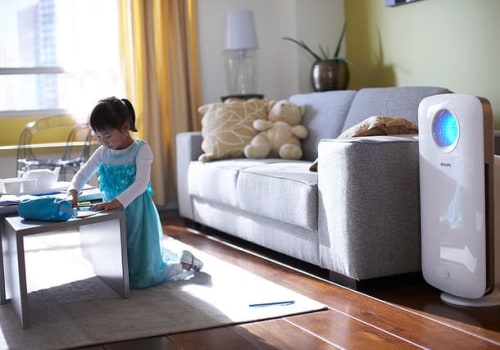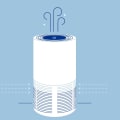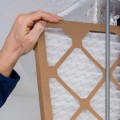
In an age where indoor air quality is becoming increasingly important, understanding air purifiers is essential for maintaining a healthy living environment. An air purifier is a device designed to remove contaminants from the air in a room, effectively filtering out pollutants such as dust, pollen, smoke, and pet dander. These devices are particularly beneficial for individuals suffering from allergies or respiratory conditions, as they can significantly reduce the presence of irritants in the air we breathe.So, how do air purifiers work? At their core, most air purifiers utilize a combination of filters and fans to clean the air. The process begins when the fan draws in air from the surrounding environment.
This air then passes through one or more filters that capture various particles. The most effective air purifiers use HEPA filters , which can trap particles as small as 0.3 microns with an efficiency of 99.97%. Some models also incorporate additional technologies such as activated carbon filters to absorb odors and volatile organic compounds (VOCs), or UV light to kill bacteria and viruses.The benefits of using an air purifier extend beyond just cleaner air. Improved indoor air quality can lead to better sleep, enhanced mood, and increased productivity.
For families with young children or elderly members, having an air purifier can provide peace of mind by reducing exposure to harmful allergens and pollutants. Furthermore, during seasons of high pollen counts or in areas prone to wildfires, an air purifier can serve as a vital tool in managing outdoor allergens that infiltrate our homes.As we delve deeper into the world of air purifiers, it becomes clear that selecting the right model for your home is not just about choosing a device; it’s about investing in your health and well-being. Understanding how these devices function and the myriad benefits they offer will empower you to make informed decisions that enhance your living space.
Types of Air Purifiers
When it comes to selecting an air purifier for home, understanding the different types available is essential for making an informed decision. Each type of air purifier employs unique technologies and mechanisms to tackle various indoor air pollutants.Below, we explore the most common types of air purifiers and their effectiveness in improving air quality.
HEPA Filters
High Efficiency Particulate Air (HEPA) filters are widely regarded as the gold standard in air purification. These filters are designed to capture at least 99.97% of particles that are 0.3 microns in size, including dust, pollen, pet dander, and even some bacteria and viruses. The effectiveness of HEPA filters makes them particularly beneficial for individuals suffering from allergies or asthma.Activated Carbon Filters
Activated carbon filters utilize a porous material that adsorbs odors, gases, and volatile organic compounds (VOCs). This type of filter is especially effective at removing unpleasant smells from cooking, pets, or smoke.While activated carbon filters excel at odor removal, they do not capture particulate matter as effectively as HEPA filters. Therefore, many air purifiers combine both HEPA and activated carbon filters to provide comprehensive air cleaning.
UV Air Purifiers
Ultraviolet (UV) air purifiers use UV light to kill or deactivate microorganisms such as bacteria, viruses, and mold spores. These purifiers are often used in conjunction with other filtration systems to enhance overall effectiveness. While UV purifiers can significantly reduce biological contaminants in the air, they do not remove particulate matter or odors, making them less effective as standalone solutions.Ionic Air Purifiers
Ionic air purifiers work by emitting negatively charged ions into the air, which attach to positively charged particles like dust and allergens.This process causes the particles to clump together and fall to the ground or stick to surfaces. While ionic purifiers can reduce airborne particles, they may produce ozone as a byproduct, which can be harmful to health. Therefore, it’s crucial to choose ionic purifiers that comply with safety standards.
Conclusion
Choosing the right type of air purifier depends on your specific needs and the pollutants you wish to target. For comprehensive air cleaning, consider models that incorporate multiple filtration technologies such as HEPA and activated carbon filters.Understanding these different types will help you select an air purifier for home that best suits your indoor air quality requirements.
Key Features to Consider When Choosing an Air Purifier
When selecting an air purifier for home, understanding the key features can significantly influence your decision. Here are some essential aspects to consider:- Clean Air Delivery Rate (CADR) : The CADR rating is a crucial metric that indicates how effectively an air purifier can remove specific pollutants from the air, such as dust, smoke, and pollen. This rating is measured in cubic feet per minute (CFM) and helps you determine the efficiency of the unit in relation to the size of the room. For optimal performance, choose an air purifier with a CADR that matches or exceeds the room size in square feet.
For example, if your room is 300 square feet, look for a unit with a CADR of at least 300 CFM.
- Noise Levels : Noise can be a significant factor, especially if you plan to use the air purifier in a bedroom or a quiet space. Most manufacturers provide decibel (dB) ratings for their products. A unit operating at 30-40 dB is generally considered quiet, while anything above 60 dB may be disruptive. Look for models that offer multiple fan speeds, allowing you to adjust the noise level according to your needs.
- Filter Replacement Costs : The long-term cost of maintaining an air purifier often hinges on filter replacement expenses.
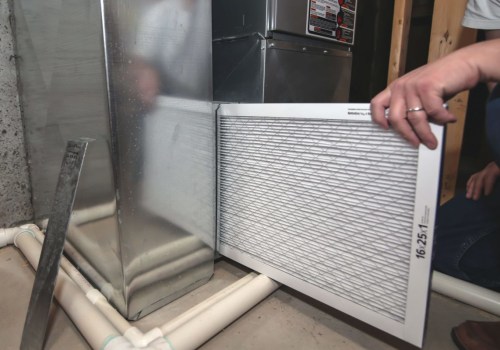
HEPA filters typically need replacement every 6-12 months, depending on usage and air quality. Some models come with washable pre-filters that can extend the life of the HEPA filter and reduce costs. Always check the price and availability of replacement filters before making a purchase to avoid unexpected expenses down the line.
- Energy Efficiency : Look for air purifiers that are Energy Star certified, as these models consume less electricity while providing effective air cleaning. This not only helps reduce your carbon footprint but also lowers your utility bills.
- Additional Features : Consider other features such as smart technology integration, which allows you to control your air purifier via smartphone apps or voice commands.
Some units also come with air quality sensors that automatically adjust fan speeds based on real-time air quality readings.
Room Size and Air Purifier Capacity
When selecting an air purifier for home use, understanding the relationship between room size and the purifier's capacity is essential for achieving optimal air quality. Each air purifier is designed to cover a specific square footage, and matching this coverage to your room size ensures that the device can effectively filter out pollutants and allergens.Understanding Air Purifier Capacity
Air purifiers are rated based on their Clean Air Delivery Rate (CADR), which indicates how quickly they can clean the air in a given space. The CADR is measured in cubic feet per minute (CFM) and varies depending on the type of particles being filtered, such as dust, pollen, or smoke.
A higher CADR means that the air purifier can handle larger rooms more efficiently.To determine the appropriate air purifier capacity for your space, consider the following:
- Room Size: Measure the length and width of the room to calculate its square footage. For example, a room that is 10 feet by 12 feet has an area of 120 square feet.
- Recommended Coverage: Check the manufacturer's specifications for the air purifier's coverage area. Most purifiers will indicate the maximum square footage they can effectively service.
- Air Changes Per Hour (ACH): This metric indicates how many times an air purifier can filter the entire volume of air in a room within an hour. For optimal performance, look for a unit that can achieve at least 4 to 5 air changes per hour in your space.
Choosing the Right Size
If your room exceeds the recommended coverage area of a particular model, you may need to consider purchasing multiple units or opting for a more powerful model.
Conversely, using an air purifier that is too large for a small room can lead to unnecessary energy consumption and may not operate at peak efficiency.For instance, if you have a bedroom measuring 200 square feet, look for an air purifier with a CADR rating that supports this size. A unit with a CADR of at least 200 CFM would be ideal, ensuring that it can effectively circulate and purify the air multiple times throughout the day.
Conclusion
Selecting an appropriate air purifier based on room size and capacity is crucial for maintaining healthy indoor air quality. By understanding CADR ratings and ensuring adequate coverage, you can make an informed decision that enhances your living environment.
Health Benefits of Using an Air Purifier
Investing in an air purifier can yield significant health benefits , particularly for individuals suffering from allergies, asthma, or other respiratory conditions. The air we breathe indoors can often be more polluted than outdoor air, making it essential to take proactive measures to improve indoor air quality.One of the primary advantages of using an air purifier is its ability to reduce allergens in the home.Common indoor allergens include:
- Pollen - Often carried indoors on clothing or through open windows.
- Dust mites - Microscopic organisms that thrive in bedding, carpets, and upholstery.
- Mold spores - Can grow in damp areas and release spores into the air.
- Pet dander - Tiny flakes of skin shed by cats, dogs, and other animals.
Cleaner air not only enhances respiratory health but also promotes better sleep and increased energy levels. Many people report feeling more alert and less fatigued when breathing cleaner air.In addition to physical health benefits, there are psychological advantages as well. A clean indoor environment can reduce stress and anxiety levels. Knowing that you are taking steps to improve your home’s air quality can provide peace of mind, especially for families with young children or elderly members who may be more susceptible to respiratory issues.In conclusion, the health benefits of using an air purifier extend beyond mere comfort; they play a vital role in enhancing the quality of life for individuals with allergies and asthma.
By investing in a reliable air purifier, you are not only improving your home’s atmosphere but also safeguarding your family’s health.
Common Misconceptions About Air Purifiers
When it comes to air purifiers for home, there are numerous myths and misconceptions that can cloud a consumer's judgment. Understanding these misconceptions is crucial for making an informed decision about which air purifier to choose.Myth 1: All Air Purifiers Are the Same
One of the most prevalent myths is that all air purifiers function identically. In reality, air purifiers vary significantly in terms of technology, filtration systems, and effectiveness. For instance, while some models utilize HEPA filters to capture small particles, others may rely on ionization or UV light, which may not be as effective in removing allergens and pollutants.
Therefore, it’s essential to research the specific features of each model before making a purchase.
Myth 2: Air Purifiers Generate Ozone
Another common misconception is that all air purifiers produce ozone, a harmful gas that can exacerbate respiratory issues. While it’s true that some air purifiers, particularly those using ionization technology, can emit ozone as a byproduct, many modern air purifiers are designed to operate without generating ozone. When selecting an air purifier, look for models that are certified as ozone-free by reputable organizations.
Myth 3: Air Purifiers Are Only Necessary for Allergies
Many people believe that air purifiers are only beneficial for individuals with allergies or asthma. However, the truth is that everyone can benefit from cleaner air.
Air purifiers can help reduce indoor pollutants such as dust, pet dander, mold spores, and volatile organic compounds (VOCs) from household products. This makes them a valuable addition to any home environment.
Myth 4: Air Purifiers Are a Substitute for Cleaning
Some homeowners mistakenly think that having an air purifier means they can neglect regular cleaning routines. While air purifiers do help reduce airborne contaminants, they should not replace traditional cleaning methods. Regular dusting and vacuuming are still necessary to maintain a clean living space and minimize the buildup of allergens.
Myth 5: Bigger Is Always Better
Lastly, there’s a misconception that larger air purifiers are always more effective than smaller ones.
The effectiveness of an air purifier depends on its design and specifications rather than its size alone. It’s crucial to choose an air purifier that is appropriately sized for your room to ensure optimal performance.By debunking these common myths about air purifiers, consumers can make better choices when selecting an air purifier for home. Understanding how these devices work and their limitations will lead to improved indoor air quality and overall health benefits.
Maintenance and Care for Your Air Purifier
To ensure your air purifier for home operates at peak efficiency, regular maintenance and care are essential. Neglecting these tasks can lead to reduced performance and a shorter lifespan for your device.Here are some practical tips to help you maintain your air purifier effectively.
Filter Replacement Schedule
The filter is the heart of your air purifier, and its condition directly affects the quality of air in your home. Most manufacturers recommend replacing HEPA filters every 6 to 12 months, depending on usage and the level of pollutants in your environment. If you have pets, smoke indoors, or live in a high-pollution area, you may need to replace the filter more frequently.- Check the manufacturer's guidelines: Always refer to the user manual for specific recommendations regarding filter replacement.
- Monitor filter indicators: Many modern air purifiers come equipped with filter change indicators that alert you when it’s time for a replacement.
- Keep a schedule: Set reminders on your calendar or smartphone to check and replace filters regularly.
Cleaning Your Air Purifier
In addition to changing filters, keeping the exterior and other components of your air purifier clean is crucial. Dust and debris can accumulate on the unit, hindering its performance.- Wipe down surfaces: Use a soft, damp cloth to clean the outer surfaces of the air purifier.
Avoid using harsh chemicals that could damage the unit.
- Clean pre-filters: If your air purifier has a pre-filter, it can often be washed with water. Make sure it is completely dry before reinstalling it.
- Vacuum vents: Use a vacuum cleaner with a brush attachment to gently remove dust from the vents and intake areas.
Top Air Purifier Recommendations for Home Use
When it comes to selecting the best air purifier for your home, the options can be overwhelming. To simplify your decision-making process, we’ve compiled a list of top-rated air purifiers for 2023 based on effectiveness, price range, and user reviews.1.Coway AP-1512HH Mighty Air Purifier
The Coway AP-1512HH is a favorite among consumers for its compact design and powerful performance.It features a four-stage filtration system that includes a HEPA filter, which captures 99.97% of particles as small as 0.3 microns. With a coverage area of up to 361 square feet, it’s ideal for medium-sized rooms. Users appreciate its energy efficiency and quiet operation, making it perfect for bedrooms.
2.Honeywell HPA300 True HEPA Air Purifier
If you’re looking for something that can handle larger spaces, the Honeywell HPA300 is an excellent choice. This model can purify air in rooms up to 465 square feet and is equipped with a true HEPA filter that effectively reduces allergens and pollutants.Its three cleaning levels allow you to customize the purification process based on your needs, and it has received high marks for its durability and effectiveness.
3.Levoit Core 300 Air Purifier
The Levoit Core 300 is a budget-friendly option that doesn’t compromise on quality. It’s designed for small to medium rooms and features a true HEPA filter along with a pre-filter and activated carbon filter to tackle odors. Users love its sleek design and quiet operation, making it suitable for any room in the house.4.Dyson Pure Cool TP01 Air Purifier
The Dyson Pure Cool TP01 not only purifies the air but also functions as a fan, making it a versatile addition to your home. Its 360-degree filtration system captures allergens and pollutants while projecting purified air throughout the room.Although it comes at a higher price point, many users find its innovative design and dual functionality worth the investment.
5.Blueair Blue Pure 211+ Air Purifier
The Blueair Blue Pure 211+ is known for its stylish design and exceptional performance in large spaces (up to 540 square feet). It uses a combination of mechanical and electrostatic filtration to remove airborne particles efficiently. Users rave about its low noise levels and energy efficiency, making it an excellent choice for those who prioritize both aesthetics and functionality.When choosing an air purifier, consider factors such as room size, filter type, and additional features like smart technology or noise levels. Each of these models has been highly rated by users and experts alike, ensuring you can find the right fit for your home.Frequently Asked Questions About Air Purifiers
When considering an air purifier for home, many potential buyers have questions that can help clarify their decision-making process.Below are some of the most frequently asked questions regarding air purifiers, along with detailed answers to address common concerns.
1.How do I know what size air purifier I need?
The size of the air purifier you need largely depends on the square footage of the room where it will be used. Most manufacturers provide a recommended room size on the product packaging or in the specifications. To ensure optimal performance, choose an air purifier that can handle at least 1.5 times the room's square footage. For example, if your room is 300 square feet, look for a unit rated for at least 450 square feet.2.How often should I change the filters?
Filter maintenance is crucial for the effectiveness of your air purifier.Generally, HEPA filters should be replaced every 6 to 12 months, while pre-filters may need to be changed every 1 to 3 months, depending on usage and environmental factors. Always refer to the manufacturer's guidelines for specific recommendations.
3.Can air purifiers help with odors?
Yes, many air purifiers are designed to tackle odors as well as airborne particles. Models equipped with activated carbon filters are particularly effective at absorbing smells from cooking, pets, and smoke. If odor removal is a priority for you, look for an air purifier that specifically mentions odor control in its features.4.Do air purifiers produce ozone?
Some air purifiers, particularly those using ionization technology, can produce ozone as a byproduct.Ozone can be harmful to health when inhaled in significant amounts. To avoid this issue, opt for models that are certified as ozone-free or those that utilize HEPA filtration without ionization.
5.What maintenance do air purifiers require?
In addition to changing filters regularly, it's important to keep your air purifier clean. Wipe down the exterior with a damp cloth and vacuum any dust from the intake and exhaust vents periodically. This will help maintain airflow and efficiency.6.Can I run my air purifier all day?
Yes, most air purifiers are designed for continuous operation and can be left running throughout the day and night.In fact, running your air purifier consistently can help maintain better indoor air quality by continuously filtering out pollutants.By addressing these common questions about air purifiers, you can make a more informed decision when selecting the right model for your home. Understanding how these devices work and their maintenance needs will ensure you get the most out of your investment in cleaner indoor air.
Conclusion: Making the Right Choice for Your Home's Air Quality
In summary, selecting the right air purifier for home use is a critical step towards enhancing your indoor air quality. Throughout this guide, we have explored various factors that play a significant role in making an informed decision. Understanding these elements can help you choose an air purifier that not only meets your needs but also contributes to a healthier living environment.First and foremost, the type of filter used in the air purifier is paramount.A HEPA filter is essential for capturing fine particles, including dust, pollen, and pet dander. If you or your family members suffer from allergies or respiratory issues, investing in a model equipped with a HEPA filter can make a substantial difference in your daily comfort.Additionally, consider the size of the space where the air purifier will be utilized. Each model is designed to cover a specific square footage effectively. To maximize efficiency, ensure that the air purifier you select is suitable for the dimensions of your room.
This will allow for optimal air circulation and purification.Another crucial aspect to keep in mind is the noise level of the unit. Some air purifiers operate quietly, making them ideal for bedrooms or workspaces, while others may produce noticeable sounds. Assessing your tolerance for noise can help you choose a model that fits seamlessly into your lifestyle.Moreover, it’s important to evaluate additional features such as smart technology integration, filter replacement indicators, and energy efficiency ratings. These features can enhance usability and ensure that your air purifier operates at peak performance without incurring excessive energy costs.Lastly, remember that while an air purifier is an excellent tool for improving indoor air quality, it should complement other practices such as regular cleaning and proper ventilation.
By combining these strategies, you can create a healthier home environment.In conclusion, taking the time to research and understand your specific needs will empower you to make an informed choice when selecting an air purifier for home. With the right device in place, you can enjoy cleaner air and a more comfortable living space for you and your loved ones.