Air quality is a critical yet often overlooked aspect of our daily lives. It encompasses the presence of various pollutants and allergens in the air we breathe, which can significantly affect our health and well-being. Poor air quality, particularly in indoor environments, can lead to a range of health issues, from minor irritations to severe respiratory conditions. Understanding the components that contribute to indoor air pollution is essential for anyone looking to improve their living conditions and overall health.Indoor air pollution can stem from numerous sources, including household cleaning products, cooking fumes, pet dander, mold spores, and even outdoor pollutants that infiltrate our homes.
These contaminants can accumulate over time, leading to a decline in air quality that may go unnoticed until health symptoms arise. Common effects of poor air quality include headaches, fatigue, allergies, and exacerbated asthma symptoms. In fact, studies have shown that individuals with pre-existing respiratory conditions are particularly vulnerable to the adverse effects of indoor air pollutants.Moreover, the impact of air quality extends beyond immediate health concerns. Long-term exposure to polluted air can contribute to chronic diseases such as cardiovascular issues and lung cancer.
This makes it imperative for homeowners to take proactive measures in monitoring and improving their indoor air quality. One effective solution is the use of an air purifier for home, which can help filter out harmful particles and create a healthier living environment.By prioritizing air quality in our homes, we not only enhance our physical health but also improve our mental well-being. Clean air contributes to better sleep, increased productivity, and an overall sense of comfort within our living spaces. As we delve deeper into the importance of using an air purifier every day, it becomes clear that maintaining good air quality is not just a luxury but a necessity for a healthier life.
What is an Air Purifier?
An air purifier is a device designed to improve indoor air quality by removing contaminants from the air.These contaminants can include dust, pollen, pet dander, smoke, and even harmful bacteria and viruses. By filtering out these pollutants, air purifiers help create a healthier living environment, which is especially important for individuals with allergies, asthma, or other respiratory issues.There are several types of air purifiers , each utilizing different technologies to clean the air:
- HEPA Air Purifiers: These are among the most effective types of air purifiers. HEPA stands for High-Efficiency Particulate Air, and these filters can capture particles as small as 0.3 microns with an efficiency of 99.97%. They are particularly effective against allergens like pollen and dust mites.
- Activated Carbon Air Purifiers: These purifiers use activated carbon filters to absorb odors and gases.
They are excellent for removing volatile organic compounds (VOCs) and smoke from the air.
- UV-C Light Air Purifiers: Utilizing ultraviolet light, these purifiers kill bacteria and viruses in the air. While they are effective at sanitizing, they may not capture larger particles like dust or pet hair.
- Ionic Air Purifiers: These devices release negatively charged ions into the air, which attach to positively charged particles, causing them to fall to the ground or stick to surfaces. However, some ionic purifiers can produce ozone, which may be harmful in high concentrations.
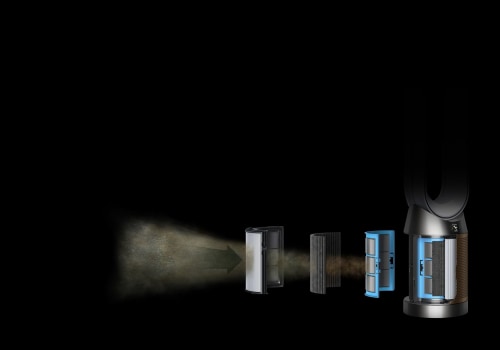
- Pre-Filter: This initial filter captures larger particles such as hair and dust before they reach the main filter.
- Main Filter: Depending on the type of purifier, this could be a HEPA filter or activated carbon filter that removes smaller particles and odors.
- Post-Filter: Some models include an additional layer that further cleans the air before it is released back into the room.
When choosing an air purifier for your home, consider factors such as room size, types of pollutants you want to target, and maintenance requirements to ensure optimal performance.
The Benefits of Daily Use of Air Purifiers
Using an air purifier on a daily basis offers a multitude of benefits that significantly enhance both health and comfort within your home. As indoor air quality continues to decline due to various pollutants, the importance of maintaining a clean environment cannot be overstated.Health Benefits
- Reduction of Allergens: Daily use of an air purifier can dramatically reduce allergens such as pollen, pet dander, and dust mites. This is particularly beneficial for individuals suffering from allergies or asthma, as cleaner air can lead to fewer symptoms and improved overall well-being.
- Elimination of Harmful Particles: Air purifiers equipped with HEPA filters are designed to capture 99.97% of particles that are 0.3 microns or larger. This includes smoke, mold spores, and even some bacteria, which can contribute to respiratory issues if left unchecked.
- Improved Respiratory Health: By filtering out harmful pollutants, air purifiers can help improve lung function and reduce the risk of respiratory infections.
This is especially crucial for vulnerable populations such as children and the elderly.
Enhanced Comfort
- Odor Removal: Daily use of an air purifier can effectively neutralize unpleasant odors from cooking, pets, or smoke. This leads to a fresher living environment that is more enjoyable for everyone in the household.
- Humidity Control: Some advanced air purifiers also function as dehumidifiers, helping to maintain optimal humidity levels. This not only prevents mold growth but also creates a more comfortable atmosphere.
- Better Sleep Quality: Clean air contributes to better sleep by reducing nighttime allergens and irritants. Many users report improved sleep quality when using an air purifier regularly in their bedrooms.
By investing in a quality air purifier, you are taking proactive steps towards ensuring a healthier living environment for you and your family.
Airborne Pollutants: What Are You Breathing In?
Understanding the airborne pollutants present in our homes is crucial for maintaining a healthy living environment. These pollutants can significantly impact our health, especially for individuals with respiratory issues, allergies, or weakened immune systems. Below, we explore some of the most common indoor pollutants and their sources.Common Indoor Pollutants
- Dust Mites: These microscopic creatures thrive in warm, humid environments and are often found in bedding, upholstery, and carpets. Their droppings can trigger allergic reactions and asthma symptoms.
- Pollen: While typically associated with outdoor allergies, pollen can easily enter homes through open windows and on clothing.
It can linger indoors and contribute to respiratory issues.
- Mold Spores: Mold grows in damp areas such as bathrooms and basements. The spores released into the air can cause allergic reactions and respiratory problems.
- Volatile Organic Compounds (VOCs): These are emitted from various household products, including paints, cleaning supplies, and air fresheners. Prolonged exposure to VOCs can lead to headaches, dizziness, and long-term health effects.
- Pet Dander: For pet owners, dander from cats and dogs can be a significant source of indoor allergens. It can remain airborne for extended periods and settle on surfaces throughout the home.
- Carbon Monoxide: This colorless, odorless gas is produced by burning fossil fuels.
Sources include gas stoves, fireplaces, and vehicles running in attached garages. High levels of carbon monoxide can be deadly.
Sources of Indoor Pollution
The sources of indoor pollution are diverse and often unavoidable. Here are some common contributors:- Household Cleaning Products: Many cleaning agents contain harsh chemicals that release VOCs into the air. Opting for natural or eco-friendly alternatives can help reduce this risk.
- Building Materials: New homes or renovations may introduce pollutants from materials like formaldehyde found in plywood or particleboard.
- Cooking: Cooking methods that involve frying or grilling can release smoke and particulates into the air.
Proper ventilation is essential to minimize these effects.
- Tobacco Smoke: Smoking indoors not only affects the smoker but also contaminates the air for everyone else in the home. Secondhand smoke is a known health hazard.
Choosing the Right Air Purifier for Your Home
When it comes to selecting the right air purifier for home, understanding your specific needs and the environment in which you live is crucial. With a plethora of options available, making an informed choice can significantly enhance your indoor air quality.1.Assess Your Air Quality Needs
- Identify Allergens: If you or your family members suffer from allergies, look for purifiers that specifically target pollen, pet dander, and dust mites.
- Consider Health Conditions: For those with asthma or respiratory issues, a high-efficiency particulate air (HEPA) filter is essential as it captures 99.97% of particles that are 0.3 microns or larger.
- Evaluate Pollution Sources: If you live in an area with high outdoor pollution or have indoor sources like cooking fumes or tobacco smoke, consider models with activated carbon filters to absorb odors and harmful gases.
2.Size Matters
The size of the air purifier is another critical factor.
Each model is designed to cover a specific square footage. To determine the right size:
- Measure Your Room: Calculate the area of the room where you plan to use the purifier.
- Check the CADR Rating: The Clean Air Delivery Rate (CADR) indicates how quickly an air purifier can clean the air in a specific size room. A higher CADR means faster purification.
3.Key Features to Look For
- Filter Type: Opt for models with HEPA filters for maximum efficiency. Some purifiers also include pre-filters and activated carbon filters for enhanced performance.
- Noise Level: Consider how loud the unit operates, especially if you plan to use it in a bedroom or quiet space.
Look for models with a low decibel rating.
- Smart Features: Many modern air purifiers come equipped with smart technology, allowing you to monitor air quality and control settings via smartphone apps.
- Maintenance Requirements: Check how often filters need to be replaced and the cost associated with maintenance to ensure long-term usability.
4.Budget Considerations
Your budget will also play a significant role in your decision-making process. While it may be tempting to opt for cheaper models, investing in a high-quality air purifier can lead to better performance and longevity.By carefully evaluating these factors, you can choose an air purifier for home that not only meets your needs but also contributes to a healthier living environment for you and your family.
Energy Efficiency and Cost Considerations
When considering the use of an air purifier for home, many individuals express concerns about energy consumption and the associated costs of running these devices on a daily basis. Understanding the energy efficiency of air purifiers can help alleviate these worries and highlight their long-term benefits.First and foremost, it’s essential to recognize that modern air purifiers are designed with energy efficiency in mind. Many models are certified by the Energy Star program, which indicates that they meet strict energy efficiency guidelines set by the U.S. Environmental Protection Agency. These units consume significantly less power compared to older models, making them a cost-effective choice for daily use.
Cost of Running an Air Purifier
The actual cost of running an air purifier can vary based on several factors, including the model's wattage, how often it is used, and local electricity rates. On average, a typical air purifier uses between 30 to 100 watts per hour.To put this into perspective, if you run a 50-watt air purifier for 24 hours a day, it would consume approximately 1.2 kilowatt-hours (kWh) daily. At an average electricity rate of $0.13 per kWh, this translates to about $0.16 per day or roughly $5 per month.While this may seem like a small expense, it’s important to consider the health benefits that come with improved air quality. For individuals suffering from allergies or respiratory issues, the investment in an air purifier can lead to fewer medical expenses and improved overall well-being.
Energy-Saving Features
Many contemporary air purifiers come equipped with energy-saving features that further enhance their efficiency:- Smart Sensors: These sensors detect air quality levels and adjust the fan speed accordingly, ensuring that the unit operates only when necessary.
- Timer Settings: Users can set timers to run the purifier during specific hours, such as when they are at home or sleeping, reducing unnecessary energy consumption.
- Eco Modes: Some models have eco-friendly modes that optimize performance while minimizing power usage.
Maintenance Tips for Optimal Performance
To ensure your air purifier for home operates at peak efficiency, regular maintenance is essential.Proper care not only extends the lifespan of the unit but also maximizes its ability to filter out harmful pollutants. Here are some practical maintenance tips to keep your air purifier running smoothly:
1.Regular Filter Replacement
The most critical aspect of maintaining your air purifier is timely filter replacement. Most manufacturers recommend changing filters every 6 to 12 months, depending on usage and the type of filter. Here are some tips:- Check the Manufacturer's Guidelines: Always refer to the user manual for specific recommendations regarding filter replacement.
- Monitor Filter Indicators: Many modern air purifiers come equipped with filter change indicators that alert you when it’s time for a replacement.
- Keep Spare Filters Handy: Having extra filters on hand can help you avoid delays in maintaining air quality.
2.Clean the Pre-Filters
If your air purifier has a pre-filter, it’s important to clean it regularly.Pre-filters capture larger particles like dust and pet hair, which can prolong the life of the main filter. To clean:
- Remove and Vacuum: Take out the pre-filter and gently vacuum it to remove dust and debris.
- Wash with Water: If the manufacturer allows, wash the pre-filter with warm water and let it dry completely before reinstalling.
3.Wipe Down the Exterior
The exterior of your air purifier can accumulate dust and grime over time. Regularly wipe down the surface with a damp cloth to keep it clean and ensure proper airflow.4.Positioning Matters
The placement of your air purifier can significantly affect its performance. Ensure that:- Avoid Obstructions: Keep the unit away from walls, furniture, or curtains that may block airflow.
- Optimal Location: Place it in high-traffic areas or rooms where you spend most of your time for maximum effectiveness.
5.Regularly Check for Damage
Periodically inspect your air purifier for any signs of wear or damage.Look for cracks, loose parts, or unusual noises during operation. Addressing these issues promptly can prevent further damage and maintain optimal performance.By following these maintenance tips, you can ensure that your air purifier for home continues to provide clean, healthy air for you and your family. Regular upkeep not only enhances performance but also contributes to a healthier living environment.
Common Myths About Air Purifiers Debunked
When it comes to air purifiers, there are numerous myths and misconceptions that can cloud the understanding of their effectiveness and necessity. Addressing these myths is crucial for making informed decisions about air quality in your home.Myth 1: Air Purifiers Are Only Necessary for Allergies
While it’s true that individuals with allergies or asthma can greatly benefit from using an air purifier, the need for clean air extends beyond these conditions.
Everyday pollutants such as dust, pet dander, smoke, and volatile organic compounds (VOCs) can affect anyone's health. Air purifiers help reduce these contaminants, promoting overall well-being.
Myth 2: All Air Purifiers Are the Same
This is a common misconception. In reality, air purifiers vary significantly in terms of technology and effectiveness. For instance, HEPA filters are known for their ability to capture 99.97% of particles as small as 0.3 microns, making them highly effective for removing allergens.
On the other hand, some purifiers may rely solely on ionization or UV light, which may not be as effective in filtering out particulate matter.
Myth 3: Running an Air Purifier Is a Waste of Energy
Many people worry about the energy consumption of air purifiers. However, modern units are designed to be energy-efficient. Many models come equipped with smart sensors that adjust their operation based on air quality, ensuring they only use energy when necessary. The health benefits of cleaner air far outweigh the minimal increase in energy costs.
Myth 4: Air Purifiers Produce Ozone
Some consumers fear that air purifiers emit harmful ozone levels.
While certain types of air purifiers do produce ozone as a byproduct, many reputable brands have developed models that do not release harmful amounts of this gas. It’s essential to choose an air purifier that is certified to meet safety standards regarding ozone emissions.
Myth 5: You Only Need an Air Purifier in One Room
While placing an air purifier in a single room can improve air quality in that space, it may not be sufficient for larger homes or open floor plans. To achieve optimal results, consider using multiple units throughout your home to ensure comprehensive coverage and cleaner air in every area.By debunking these common myths about air purifiers, homeowners can make better choices regarding their indoor air quality. Understanding the facts versus the myths empowers individuals to invest in effective solutions for a healthier living environment.
<strong>Frequently Asked Questions</strong>
When it comes to maintaining a healthy indoor environment, many people have questions about air purifiers.Below are some of the most frequently asked questions regarding air purifiers, along with detailed answers to help clarify any doubts and enhance your understanding.
1.How does an air purifier work?
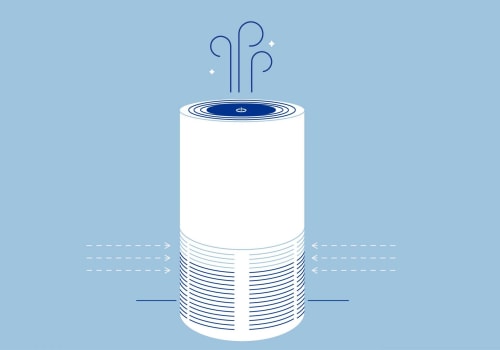
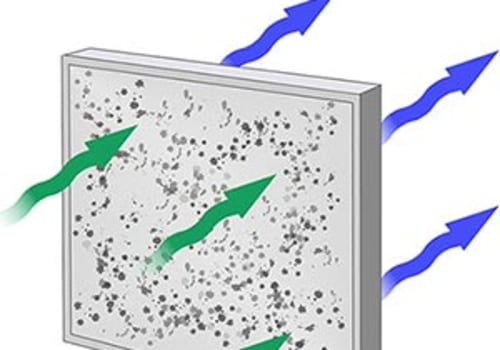
An air purifier works by drawing in air from the surrounding environment, filtering it through various types of filters, and then releasing clean air back into the room. Most modern air purifiers utilize a combination of HEPA filters, activated carbon filters, and sometimes UV light to effectively remove pollutants such as dust, pollen, pet dander, smoke, and even certain bacteria and viruses.2.Do I need an air purifier if I have central heating and cooling?
While central heating and cooling systems can help circulate air throughout your home, they often do not filter out all pollutants effectively. An air purifier for home use can provide an additional layer of protection by targeting specific contaminants that may be missed by your HVAC system. This is especially important for individuals with allergies or respiratory issues.3.How often should I change the filters in my air purifier?
The frequency of filter changes depends on the type of filter and how often you use the unit.Generally, HEPA filters should be replaced every 6 to 12 months, while activated carbon filters may need changing every 3 to 6 months. Always refer to the manufacturer's guidelines for specific recommendations.
4.Can an air purifier help with allergies?
Yes, using an air purifier can significantly reduce allergens in your home. Models equipped with HEPA filters are particularly effective at capturing airborne particles such as pollen, dust mites, and pet dander, which are common triggers for allergy sufferers.5.Are there any health risks associated with using an air purifier?
While most air purifiers are safe to use, some models that utilize ionizers can produce ozone as a byproduct. Ozone can irritate the lungs and exacerbate asthma symptoms.It is crucial to choose an air purifier that is certified to produce low or no ozone levels.
6.How do I choose the right air purifier for my home?
When selecting an air purifier, consider factors such as the size of the room, the types of pollutants you want to target, and the specific features you need (like smart sensors or quiet operation). Look for models with a high Clean Air Delivery Rate (CADR) and those that have been tested for efficiency in removing specific contaminants.By addressing these common questions about air purifiers , you can make informed decisions that will enhance your indoor air quality and overall health.<strong>Conclusion: Breathe Easy with Daily Air Purification</strong>
In summary, the importance of using an air purifier for home cannot be overstated. As we have explored throughout this article, the air quality within our living spaces significantly impacts our overall health and well-being. By utilizing an air purifier daily, you are taking a proactive step towards ensuring that the air you breathe is free from harmful pollutants and allergens.One of the primary benefits of daily air purification is the continuous removal of airborne contaminants.This includes dust, pet dander, pollen, mold spores, and even volatile organic compounds (VOCs) that can be emitted from household products. By keeping your air purifier running consistently, you create a cleaner environment that can help alleviate allergy symptoms and respiratory issues.Moreover, modern air purifiers are designed with advanced technology that not only filters out pollutants but also adapts to changing air quality conditions. Many units come equipped with smart sensors that monitor the air and adjust their operation accordingly. This means that during times of high pollution or increased allergens, your air purifier will work harder to maintain optimal air quality without requiring constant manual adjustments.Another significant advantage of daily use is the potential for improved sleep quality.
Clean air can lead to better breathing during the night, reducing disturbances caused by allergens or irritants. This is particularly beneficial for individuals who suffer from asthma or other respiratory conditions.In conclusion, incorporating an air purifier for home into your daily routine is a simple yet effective way to enhance your indoor air quality. The benefits are clear: from reducing allergens and pollutants to promoting better health and well-being. By investing in a high-quality air purifier and using it every day, you are making a commitment to a healthier lifestyle for yourself and your family.
Breathe easy knowing that you are taking control of your indoor environment and prioritizing your health.