Air quality is a critical yet often overlooked aspect of our daily lives, significantly influencing our health and well-being. The air we breathe indoors can be laden with pollutants, allergens, and harmful particles that can lead to a range of health issues. Understanding the importance of air quality is essential, especially in environments where people spend a considerable amount of time, such as homes and healthcare facilities. Poor indoor air quality can exacerbate respiratory conditions, trigger allergies, and even contribute to long-term health problems.Indoor air pollution arises from various sources, including household cleaning products, building materials, and even the very furniture we use.
Common pollutants such as volatile organic compounds (VOCs), dust mites, mold spores, and pet dander can accumulate in our living spaces, creating an environment that may be detrimental to our health. In fact, studies have shown that indoor air can be up to five times more polluted than outdoor air. This stark contrast highlights the urgent need for effective solutions to improve indoor air quality.The health effects of poor air quality are profound and far-reaching. Individuals exposed to contaminated air may experience symptoms ranging from headaches and fatigue to more severe respiratory issues like asthma and chronic obstructive pulmonary disease (COPD).
Vulnerable populations, including children, the elderly, and those with pre-existing health conditions, are particularly at risk. As we become increasingly aware of these dangers, the demand for effective air purification solutions has surged.In this context, air purifiers for home use emerge as a vital tool in combating indoor air pollution. By filtering out harmful particles and improving overall air quality, these devices play a crucial role in safeguarding our health. As we delve deeper into the world of air purification technology, it becomes clear that investing in high-quality air purifiers is not just a luxury but a necessity for creating safe and healthy indoor environments.
What Are Hospital-Grade Air Purifiers?
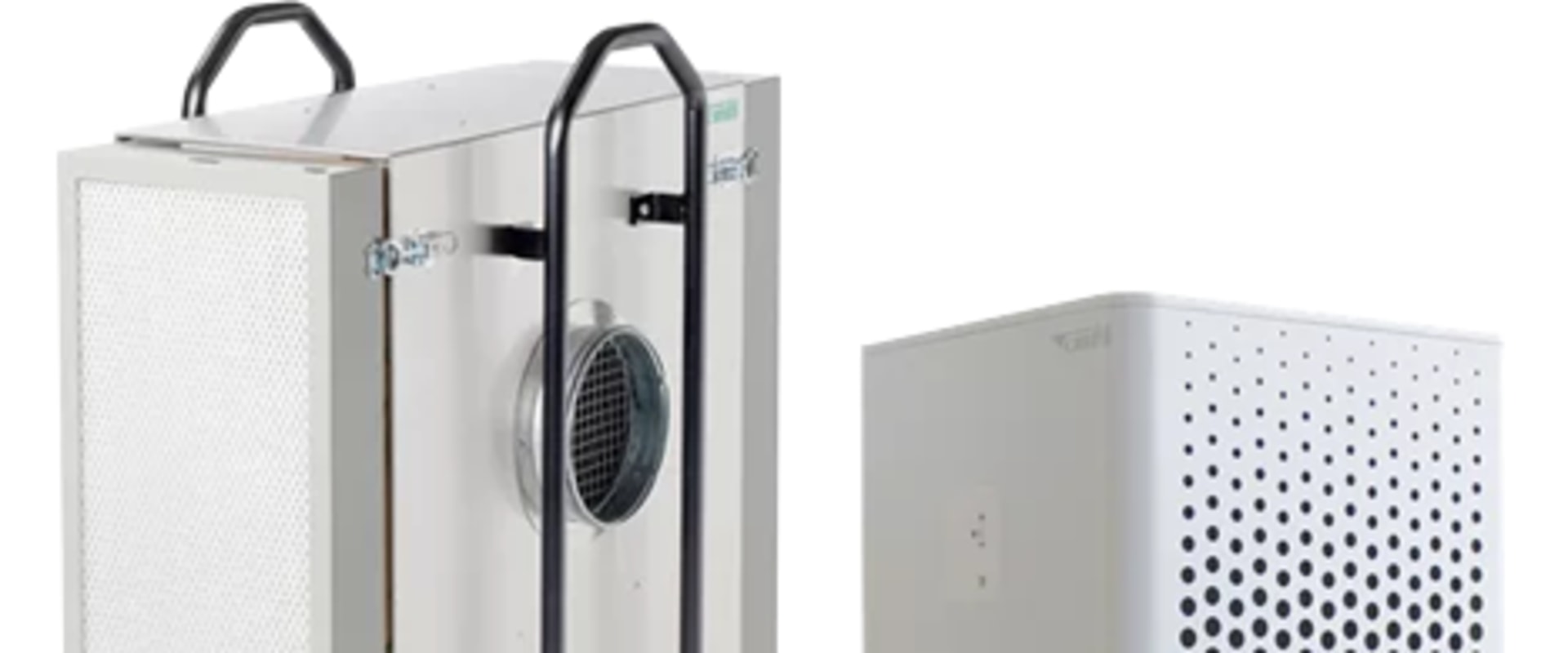
Hospital-grade air purifiers are specialized devices designed to maintain the highest standards of indoor air quality, particularly in healthcare settings.Unlike standard air purifiers, which may only filter out larger particles, hospital-grade models utilize advanced filtration technologies to capture a wider range of contaminants, including bacteria, viruses, and allergens.One of the defining features of hospital-grade air purifiers is their use of HEPA filters. HEPA, or High-Efficiency Particulate Air filters, are capable of trapping at least 99.97% of particles that are 0.3 microns in size. This includes not only dust and pollen but also much smaller particles such as smoke and certain pathogens. The effectiveness of HEPA filters makes them a critical component in environments where air quality is paramount.However, hospital-grade air purifiers often go beyond just HEPA filtration.
Many models incorporate additional technologies to enhance their performance:
- Activated Carbon Filters: These filters are designed to adsorb odors and volatile organic compounds (VOCs), which can be harmful to health. By removing these gases from the air, activated carbon filters contribute to a more pleasant and safe indoor environment.
- UV-C Light Technology: Some hospital-grade purifiers utilize ultraviolet light to neutralize bacteria and viruses. This technology works by disrupting the DNA of microorganisms, rendering them inactive and unable to reproduce.
- Ionic Purification: Ionic purifiers release negatively charged ions into the air, which attach to positively charged particles like dust and allergens. This process causes these particles to clump together and fall out of the air, making them easier to capture by the purifier's filters.
This metric indicates how many times the air in a room is completely filtered within an hour. In healthcare settings, a higher ACH is crucial for minimizing airborne contaminants and ensuring that patients and staff breathe clean air.In summary, hospital-grade air purifiers are essential tools for maintaining optimal indoor air quality in healthcare environments. Their advanced filtration systems, including HEPA filters and additional technologies like activated carbon and UV-C light, make them far superior to standard models. By investing in these high-performance devices, healthcare facilities can significantly reduce the risk of airborne infections and create a safer environment for everyone.
How Hospital-Grade Air Purifiers Work
Hospital-grade air purifiers are engineered with advanced technologies that ensure the highest level of air quality, crucial for environments where health and safety are paramount.Understanding how these devices work can shed light on their effectiveness in capturing harmful particles, including viruses, bacteria, allergens, and other pollutants.At the core of hospital-grade air purifiers is the filtration process , which typically involves multiple stages to maximize air purification. Here’s a breakdown of how these systems operate:
- Pre-Filters: The first line of defense in an air purifier is the pre-filter. This component captures larger particles such as dust, hair, and lint, preventing them from clogging the more sensitive filters that follow. By removing these larger contaminants, pre-filters enhance the overall efficiency and lifespan of the air purifier.
- HEPA Filters: The heart of any hospital-grade air purifier is its HEPA (High-Efficiency Particulate Air) filter.
These filters are designed to capture at least 99.97% of particles as small as 0.3 microns. This includes a wide range of harmful agents such as pollen, pet dander, mold spores, and even some bacteria and viruses. The effectiveness of HEPA filters makes them a critical component in maintaining clean indoor air.
- Activated Carbon Filters: Many hospital-grade purifiers also incorporate activated carbon filters. These filters are excellent at adsorbing odors and volatile organic compounds (VOCs) that can be present in indoor environments.
By removing these gases, activated carbon filters contribute to a more pleasant and healthier atmosphere.
- UV-C Light Technology: Some advanced models utilize UV-C light technology to further enhance air purification. This method involves exposing airborne pathogens to ultraviolet light, which disrupts their DNA and effectively neutralizes them. This additional layer of protection is particularly beneficial in healthcare settings where infection control is critical.
Hospital-grade purifiers are designed to achieve a high Clean Air Delivery Rate (CADR), which indicates how quickly and efficiently they can filter the air in a given area. This capability is essential for maintaining optimal indoor air quality in busy healthcare facilities.In summary, hospital-grade air purifiers employ sophisticated filtration technologies that work synergistically to eliminate a wide range of airborne pollutants. By understanding how these devices function, we can appreciate their vital role in safeguarding health and enhancing indoor environments.
Benefits of Using Hospital-Grade Air Purifiers at Home
In recent years, the importance of maintaining clean indoor air has gained significant attention, especially as we spend more time at home. Utilizing hospital-grade air purifiers in residential settings offers numerous benefits that can enhance the quality of life for all family members, particularly those with pre-existing health conditions.Health Benefits of Clean Air
- Reduction of Allergens: Hospital-grade air purifiers are designed to capture a wide range of airborne particles, including pollen, dust mites, and pet dander.
This is particularly beneficial for individuals suffering from allergies or asthma, as cleaner air can lead to fewer symptoms and improved overall health.
- Elimination of Pathogens: These advanced purifiers can effectively trap viruses and bacteria, reducing the risk of illness. This is especially crucial in homes with young children or elderly family members who may be more susceptible to infections.
- Improved Respiratory Health: By filtering out harmful pollutants and irritants, hospital-grade air purifiers can contribute to better lung function and respiratory health. This is vital for anyone with chronic respiratory conditions.
Enhanced Indoor Air Quality
The air quality in our homes can be significantly compromised by various factors such as cooking, cleaning products, and outdoor pollution. Hospital-grade air purifiers utilize advanced filtration technologies that go beyond standard HEPA filters.
They often include additional layers of filtration that can capture ultrafine particles and volatile organic compounds (VOCs), ensuring a more comprehensive approach to indoor air quality.
Hospital-Grade vs. Standard Air Purifiers
While standard air purifiers may offer some level of filtration, they often lack the efficiency and effectiveness of hospital-grade models. The latter are engineered to meet stringent standards for air cleanliness, making them suitable for environments where health is a top priority. Key differences include:
- Filtration Efficiency: Hospital-grade purifiers typically feature H13 HEPA filters that capture 99.97% of particles down to 0.3 microns, compared to standard models that may only filter larger particles.
- Air Changes Per Hour (ACH): These devices are designed to perform multiple air changes per hour, ensuring that the air remains consistently clean and fresh.
- Durability and Reliability: Built for high-demand environments, hospital-grade purifiers are often more robust and reliable than their standard counterparts.
Protection for Vulnerable Populations
For families with vulnerable members—such as infants, elderly individuals, or those with compromised immune systems—investing in a hospital-grade air purifier can provide an added layer of protection.
By ensuring that the indoor environment is free from harmful contaminants, these devices help create a safer space for everyone.In conclusion, the benefits of using hospital-grade air purifiers at home extend far beyond mere convenience; they play a crucial role in safeguarding health and enhancing overall well-being. With their superior filtration capabilities and focus on maintaining high indoor air quality, these devices are an invaluable addition to any household.
Key Features to Look for in an Air Purifier for Home Use
When selecting an air purifier for home use, it’s essential to consider several key features that will ensure you choose a model that meets your specific needs. Understanding these features can help you make an informed decision and ultimately improve the air quality in your living space.Clean Air Delivery Rate (CADR)
The Clean Air Delivery Rate, or CADR, is a critical metric that indicates how effectively an air purifier can remove specific pollutants from the air. CADR ratings are typically provided for three types of particles: smoke, dust, and pollen.A higher CADR rating means the air purifier can clean the air more quickly and efficiently. When choosing an air purifier, look for models with CADR ratings that match the size of the room where you plan to use them. For example:
- Small rooms (up to 300 sq. ft.): Aim for a CADR of at least 100.
- Medium rooms (300-600 sq.
ft.):
Look for a CADR of 150 or higher. - Large rooms (over 600 sq. ft.): Choose a model with a CADR of 200 or more.
Filter Types
The type of filter used in an air purifier significantly impacts its effectiveness. Here are some common filter types to consider:- HEPA Filters: High-Efficiency Particulate Air (HEPA) filters are designed to capture at least 99.97% of particles as small as 0.3 microns, including dust, pollen, and pet dander.
- Activated Carbon Filters: These filters are excellent for removing odors and volatile organic compounds (VOCs) from the air, making them ideal for kitchens and areas with strong smells.
- Pre-Filters: Often used in conjunction with HEPA filters, pre-filters capture larger particles and extend the life of the main filter.
Noise Levels
Noise levels can vary significantly between different air purifiers. If you plan to use your air purifier in a bedroom or a quiet space, look for models that operate quietly, especially on lower settings.Many manufacturers provide decibel ratings; aim for models that operate below 50 dB for a peaceful environment.
Maintenance Requirements
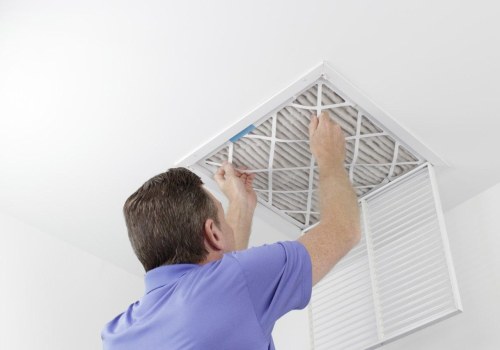
Regular maintenance is crucial for ensuring your air purifier operates effectively over time. Consider the following:- Filter Replacement: Check how often filters need to be replaced and whether replacement filters are readily available and affordable.
- Cleaning: Some models come with washable pre-filters or other components that can reduce maintenance costs.
Comparing Hospital-Grade Air Purifiers with Standard Models
When it comes to ensuring clean indoor air, the choice between hospital-grade air purifiers and standard models can significantly impact air quality and health outcomes. Understanding the differences in performance, cost, and application scenarios is essential for making an informed decision.Performance Metrics
Hospital-grade air purifiers are engineered to meet stringent standards, often incorporating advanced filtration technologies that go beyond the capabilities of standard models. Key performance metrics include:- Filtration Efficiency: Hospital-grade purifiers typically utilize H13 or HEPA filters that capture 99.97% of particles as small as 0.3 microns, including viruses and bacteria.
In contrast, standard air purifiers may use lower-grade filters that do not achieve the same level of efficiency.
- Air Changes Per Hour (ACH): Hospital-grade units are designed to provide a higher ACH rate, ensuring that the air in a room is completely refreshed multiple times per hour. This is crucial in environments where infection control is paramount.
- Additional Filtration Technologies: Many hospital-grade models incorporate UV-C light or activated carbon filters to neutralize pathogens and odors, enhancing overall air quality. Standard models may lack these features.
Cost Analysis
The initial investment for hospital-grade air purifiers is generally higher than that of standard models. However, this cost should be viewed in the context of long-term benefits:- Operational Costs: While hospital-grade purifiers may have higher upfront costs, they often have lower maintenance costs due to their durability and efficiency.
Standard models may require more frequent filter replacements.
- Health Implications: Investing in a hospital-grade air purifier can lead to significant health savings by reducing the risk of airborne diseases, which can be particularly beneficial in settings with vulnerable populations.
Application Scenarios
The choice between hospital-grade and standard air purifiers often depends on the specific environment:- Healthcare Facilities: In hospitals, clinics, and dental offices, where infection control is critical, hospital-grade purifiers are essential.
- Residential Use: For general home use, especially in households with allergy sufferers or respiratory conditions, a high-quality standard model may suffice.
Real-Life Applications: Where Hospital-Grade Air Purifiers Are Used
While hospital-grade air purifiers are primarily designed for healthcare settings, their applications extend far beyond the walls of hospitals. Various industries and environments are increasingly recognizing the importance of maintaining high air quality, leading to the adoption of these advanced filtration systems in schools, offices, and even residential spaces.Schools: Protecting Young Minds
In educational institutions, the health and well-being of students and staff are paramount. Schools are often crowded, making them susceptible to airborne contaminants. A case study conducted in a large urban school district implemented hospital-grade air purifiers in classrooms and common areas.The results were remarkable: absenteeism due to respiratory illnesses dropped by 30% within the first semester. Teachers reported fewer instances of allergies and asthma attacks among students, highlighting the effectiveness of these purifiers in creating a healthier learning environment.
Offices: Enhancing Workplace Productivity
In corporate settings, clean air is essential for maintaining employee health and productivity. A tech company in Silicon Valley installed hospital-grade air purifiers throughout its office space. Following this installation, employee satisfaction scores related to workplace comfort improved significantly.Additionally, a study by the Environmental Protection Agency (EPA) found that improved indoor air quality can lead to a 10-20% increase in productivity. This demonstrates that investing in high-quality air purification systems not only benefits health but also enhances overall workplace efficiency.
Residential Spaces: A Breath of Fresh Air at Home
Homeowners are increasingly turning to hospital-grade air purifiers to ensure their living spaces are free from harmful pollutants. A family living in a densely populated urban area decided to install a hospital-grade air purifier in their home after experiencing frequent respiratory issues. Within weeks, they noticed a significant reduction in allergy symptoms and improved overall health.This case illustrates how even residential environments can benefit from advanced air purification technology.In conclusion, the applications of hospital-grade air purifiers extend well beyond healthcare facilities. From schools striving to protect young minds to offices aiming for enhanced productivity and homes seeking cleaner air, these powerful devices play a crucial role in improving indoor air quality across various settings. As awareness grows about the importance of clean air, more industries will likely adopt these systems to safeguard health and well-being.
Common Misconceptions About Air Purifiers
When it comes to air purifiers for home use, there are numerous misconceptions that can cloud the understanding of their effectiveness and functionality. Addressing these myths is essential for making informed decisions about indoor air quality.Myth 1: Air Purifiers Are Only Necessary for Allergies
While it's true that many people invest in air purifiers to alleviate allergy symptoms, their benefits extend far beyond this single issue.
Air purifiers can effectively remove a variety of pollutants, including dust, pet dander, smoke, and even harmful microorganisms like bacteria and viruses. This makes them valuable for anyone looking to improve overall indoor air quality.
Myth 2: All Air Purifiers Are the Same
This is a common misconception that can lead to poor purchasing decisions. Not all air purifiers are created equal; they vary significantly in terms of filtration technology, efficiency, and coverage area. For instance, hospital-grade air purifiers often utilize advanced HEPA filters and additional technologies like UV-C light to ensure a higher level of purification compared to standard models.
Understanding these differences is crucial when selecting an air purifier that meets your specific needs.
Myth 3: Air Purifiers Eliminate the Need for Ventilation
Some individuals believe that using an air purifier negates the need for proper ventilation. However, this is not the case. While air purifiers can significantly reduce indoor pollutants, they do not replace the need for fresh air circulation. Proper ventilation helps to dilute indoor contaminants and bring in fresh outdoor air, which is essential for maintaining a healthy living environment.
Myth 4: Air Purifiers Are Noisy
Many potential users shy away from air purifiers due to concerns about noise levels.
While older models may have been noisy, advancements in technology have led to the development of quieter units that operate efficiently without disturbing your daily activities or sleep. Many modern air purifiers come equipped with noise-reduction features, making them suitable for any room in your home.
Myth 5: You Only Need an Air Purifier During Allergy Season
Indoor air quality can be compromised year-round due to various factors such as cooking, cleaning products, and even seasonal changes. Relying solely on an air purifier during allergy season overlooks the continuous presence of indoor pollutants. To maintain optimal air quality throughout the year, it’s advisable to use an air purifier consistently.By debunking these common myths about air purifiers, individuals can make more informed choices regarding their indoor air quality solutions.
Understanding the true capabilities and limitations of these devices empowers consumers to create healthier living environments for themselves and their families.
Maintaining Your Air Purifier for Optimal Performance
To ensure that your air purifier for home operates at peak efficiency, regular maintenance is essential. Proper care not only extends the lifespan of the unit but also maximizes its ability to filter out harmful particles from the air. Here are some practical tips to help you maintain your air purifier effectively.Regular Filter Replacement
The most critical aspect of air purifier maintenance is adhering to a filter replacement schedule. Most manufacturers recommend changing HEPA filters every 6 to 12 months, depending on usage and air quality conditions.If you live in an area with high pollution or have pets, you may need to replace filters more frequently. Always refer to the user manual for specific guidelines related to your model.
Cleaning the Pre-Filters
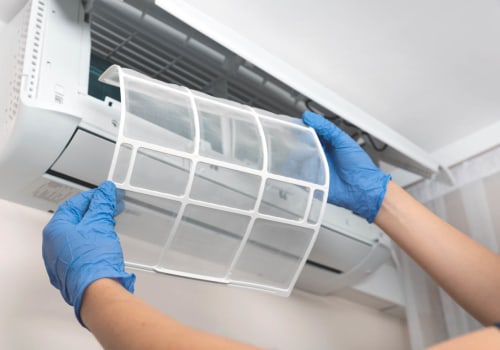
Many air purifiers come equipped with pre-filters designed to capture larger particles such as dust and pet hair. These pre-filters should be cleaned regularly—typically every month—to prevent them from becoming clogged. You can usually vacuum them or wash them with mild soap and water, but ensure they are completely dry before reinstalling.Monitor Air Quality Indicators
Most modern air purifiers feature built-in air quality indicators that provide real-time feedback on the air quality in your home.Pay attention to these indicators; if they signal that the air quality is poor despite regular maintenance, it may be time to check for other issues, such as blockages in the unit or a need for deeper cleaning.
Keep the Surrounding Area Clean
The effectiveness of your air purifier can be compromised by dust and debris in its vicinity. Regularly clean the area around the unit, ensuring that it is free from obstructions that could impede airflow. A clear space allows for optimal performance and ensures that the purifier can circulate air efficiently.Professional Servicing
Consider scheduling professional servicing for your air purifier every couple of years. Technicians can perform thorough inspections and maintenance tasks that may not be feasible for homeowners, such as checking internal components and ensuring that all systems are functioning correctly.By following these maintenance tips, you can ensure that your air purifier for home remains a reliable ally in your quest for clean indoor air.Regular upkeep not only enhances performance but also contributes to a healthier living environment for you and your family.
<strong>Conclusion</strong>
In summary, the significance of hospital-grade air purifiers extends far beyond the walls of healthcare facilities. These advanced systems are engineered to deliver superior air quality, making them an invaluable asset not only in hospitals but also in homes and various commercial settings. The ongoing global health challenges have underscored the necessity for clean indoor air, prompting many to consider the benefits of investing in a high-quality air purifier for home.As we have explored, hospital-grade air purifiers utilize cutting-edge technology to filter out harmful particles, including viruses, bacteria, allergens, and other pollutants. This level of filtration is essential for protecting vulnerable populations, such as patients recovering from surgery or individuals with compromised immune systems.However, the advantages of these purifiers are not limited to medical environments; they can significantly enhance the quality of life for anyone seeking a healthier living space.When selecting an air purifier for home, it is crucial to consider several factors:
- Filtration Efficiency: Look for models equipped with HEPA filters that can capture at least 99.97% of airborne particles.
- Clean Air Delivery Rate (CADR): This metric indicates how quickly the purifier can clean the air in a given space. Higher CADR ratings mean more effective purification.
- Noise Levels: Consider how much noise the unit produces, especially if it will be used in bedrooms or quiet areas.
- Maintenance Requirements: Evaluate how often filters need to be replaced and the overall upkeep involved.
By choosing a reliable air purifier for home, you are taking a proactive step towards creating a cleaner, safer indoor environment for yourself and your loved ones.