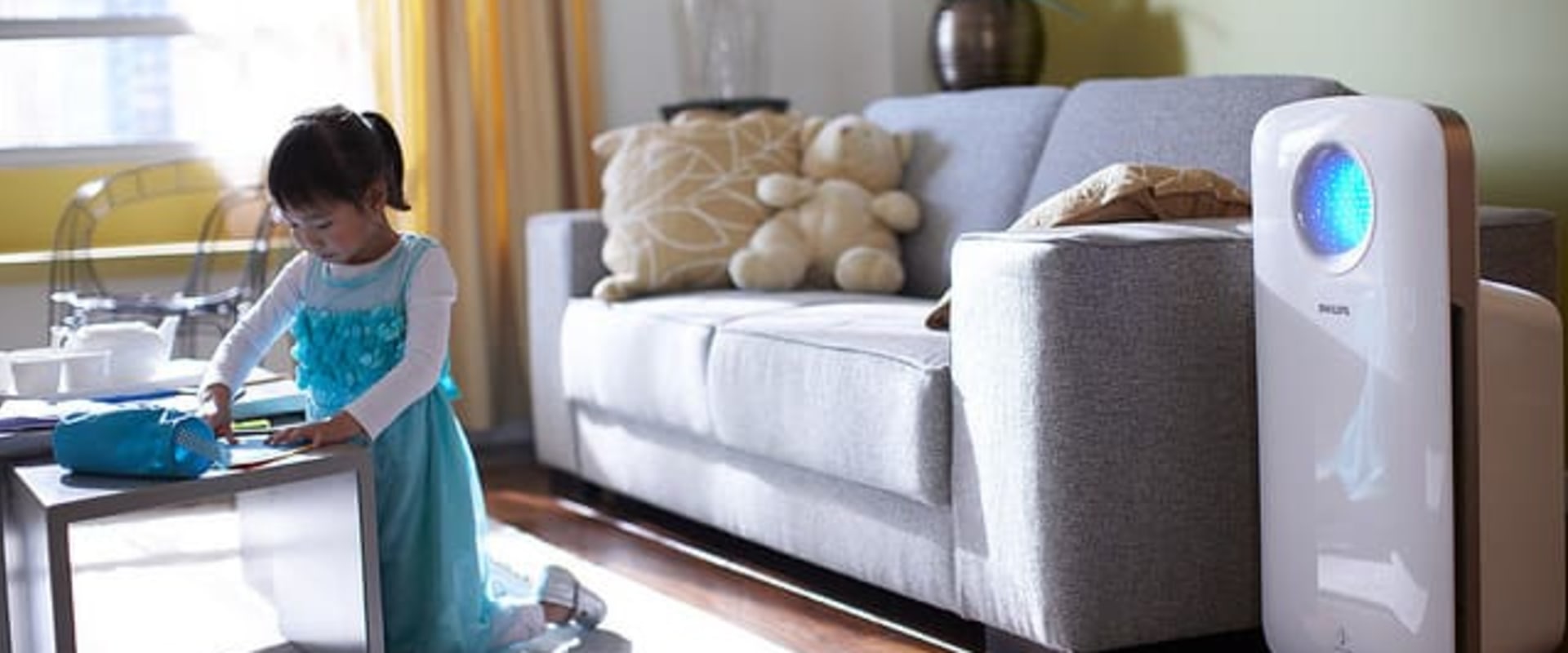
Indoor air quality (IAQ) is a critical yet often overlooked aspect of our living environments. It refers to the condition of the air within buildings and structures, particularly as it relates to the health and comfort of the occupants. With many people spending up to 90% of their time indoors, understanding the factors that contribute to air pollution inside our homes is essential for maintaining good health. Poor indoor air quality can lead to a range of health issues, from minor irritations like headaches and fatigue to more severe conditions such as respiratory diseases and cardiovascular problems.Common indoor pollutants include dust mites, pet dander, mold spores, volatile organic compounds (VOCs), and even carbon monoxide.
These contaminants can originate from various sources, including household cleaning products, building materials, and even outdoor air that seeps in through windows and doors. For instance, VOCs are emitted by many common household items such as paints, varnishes, and air fresheners, contributing significantly to indoor air pollution. Understanding these pollutants is crucial because they can exacerbate existing health conditions or create new ones.The health effects of poor indoor air quality are particularly concerning for vulnerable populations such as children, the elderly, and individuals with pre-existing health conditions. Studies have shown that exposure to indoor air pollutants can lead to increased asthma attacks, allergic reactions, and other respiratory issues.
Furthermore, long-term exposure can result in chronic health problems that may not manifest until years later. Therefore, improving indoor air quality should be a priority for anyone looking to enhance their overall well-being.As we delve deeper into the topic of air purifiers for home, it becomes clear that these devices play a vital role in mitigating the effects of indoor air pollution. By filtering out harmful particles and improving overall air quality, air purifiers can significantly contribute to a healthier living environment. Understanding the importance of IAQ sets the stage for exploring how these devices can be an effective solution for maintaining clean air in our homes.
What is an Air Purifier?
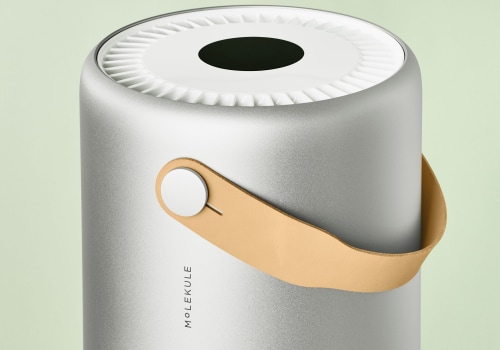
An air purifier is a device designed to improve indoor air quality by removing contaminants from the air.These devices are particularly beneficial for individuals suffering from allergies, asthma, or other respiratory conditions, as they help create a cleaner and healthier living environment.There are several types of air purifiers available on the market, each utilizing different technologies to filter and purify the air:
- HEPA Air Purifiers: HEPA stands for High-Efficiency Particulate Air. These purifiers are equipped with filters that can capture at least 99.97% of particles that are 0.3 microns in diameter. This includes dust, pollen, pet dander, and even some bacteria and viruses. HEPA filters are highly effective for those with allergies or asthma.
- Activated Carbon Air Purifiers: These purifiers use activated carbon filters to absorb odors, gases, and volatile organic compounds (VOCs) from the air.
They are particularly useful in environments where cooking smells, smoke, or chemical fumes are prevalent.
- UV Air Purifiers: Ultraviolet (UV) air purifiers utilize UV light to kill or deactivate microorganisms such as bacteria, viruses, and mold spores. While they are effective at reducing biological contaminants, they often work best in conjunction with other filtration systems.
As it passes through the HEPA filter, particles such as dust and allergens are captured. In models that include activated carbon filters, any odors or harmful gases present in the air will also be absorbed during this process. Finally, clean air is expelled back into the room, significantly improving indoor air quality.In summary, an air purifier for home can be an invaluable tool for enhancing your living space's air quality. By understanding the different types of purifiers and how they work, you can make an informed decision that best suits your health needs and lifestyle.
Health Benefits of Using Air Purifiers
Air purifiers have become increasingly popular in households, and for good reason.The health benefits associated with using an air purifier for home extend beyond mere comfort; they can significantly enhance your overall well-being. Here are some of the key health advantages:
- Allergy Relief: For individuals suffering from allergies, air purifiers can be a game-changer. They effectively filter out common allergens such as pollen, dust mites, and pet dander. By reducing these irritants in the air, air purifiers can help alleviate symptoms like sneezing, runny nose, and itchy eyes, allowing allergy sufferers to breathe easier.
- Asthma Management: Asthma is a chronic respiratory condition that can be exacerbated by airborne pollutants.
Air purifiers equipped with HEPA filters are particularly effective at capturing fine particles that can trigger asthma attacks. By maintaining cleaner air, these devices can help reduce the frequency and severity of asthma symptoms.
- Improved Respiratory Health: Clean air is essential for maintaining good respiratory health. Air purifiers not only remove allergens but also eliminate harmful pollutants such as smoke, volatile organic compounds (VOCs), and bacteria. This is especially important for vulnerable populations, including children and the elderly, who may be more susceptible to respiratory issues.
- Reduction of Indoor Air Pollution: Indoor air can be more polluted than outdoor air due to various sources such as cooking, cleaning products, and building materials.
Air purifiers help mitigate these risks by filtering out harmful substances, contributing to a healthier living environment.
- Enhanced Sleep Quality: Poor air quality can disrupt sleep patterns. By using an air purifier to maintain clean air in your bedroom, you may experience improved sleep quality. This is particularly beneficial for those who suffer from nighttime allergies or asthma.
As you consider options for enhancing your home’s air quality, remember that the right air purifier can make a substantial difference in your well-being.
How Air Purifiers Help with Allergens and Pollutants
Air purifiers play a crucial role in enhancing indoor air quality by effectively targeting and removing common allergens and pollutants that can adversely affect health. These devices are particularly beneficial for individuals who suffer from allergies or respiratory conditions, as they help create a cleaner and healthier living environment.One of the primary allergens that air purifiers combat is dust mites. These microscopic creatures thrive in warm, humid environments and are often found in bedding, upholstery, and carpets. When disturbed, dust mites release their waste particles into the air, which can trigger allergic reactions.A high-quality air purifier equipped with a HEPA filter can capture these tiny particles, significantly reducing their presence in your home.Another common allergen is pollen , which is prevalent during certain seasons and can easily infiltrate homes through open windows and doors. Air purifiers with advanced filtration systems can trap pollen grains, preventing them from circulating in the air you breathe. This is especially important for individuals with seasonal allergies, as it helps alleviate symptoms such as sneezing, runny nose, and itchy eyes.
Pet dander
is another significant contributor to indoor allergens. For pet owners, dander can be a persistent issue as it consists of tiny flakes of skin shed by cats, dogs, and other animals.
Air purifiers designed to handle pet allergens often feature specialized filters that effectively capture dander particles, providing relief for those who are sensitive to pets.In addition to allergens, air purifiers are also effective at removing various pollutants from the air. Common indoor pollutants include smoke from cooking or tobacco use, volatile organic compounds (VOCs) emitted from household products like paints and cleaners, and even bacteria and viruses. Many modern air purifiers utilize activated carbon filters to absorb these harmful substances, ensuring that the air remains clean and safe for all occupants.To maximize the effectiveness of an air purifier in removing allergens and pollutants, it’s essential to choose a model that suits your specific needs. Consider factors such as room size, filter type, and noise level when making your selection.
Regular maintenance, including timely filter replacements, will also ensure that your air purifier continues to operate at peak efficiency.In summary, investing in an air purifier for your home can significantly improve your indoor air quality by effectively reducing allergens like dust mites, pollen, and pet dander while also tackling various pollutants. This not only enhances comfort but also promotes better health for you and your family.
Choosing the Right Air Purifier for Your Home
When it comes to selecting the best air purifier for home use, there are several critical factors to consider to ensure you make an informed decision. Understanding these elements can help you choose a device that not only fits your space but also meets your specific air quality needs.Room Size
The first step in choosing an air purifier is to assess the size of the room where it will be used. Air purifiers are rated for specific room sizes, typically measured in square feet.A unit that is too small for your space will struggle to clean the air effectively, while one that is too large may be unnecessarily expensive. Always check the manufacturer's specifications and select a model that matches or exceeds your room's dimensions.
Filter Types
Another crucial aspect is the type of filters used in the air purifier. The most effective models utilize HEPA filters , which can capture 99.97% of particles as small as 0.3 microns, including dust, pollen, and pet dander. Some purifiers also include activated carbon filters that are excellent for absorbing odors and volatile organic compounds (VOCs).If you have specific concerns, such as allergies or asthma, look for models that offer specialized filters designed to target those issues.
Noise Levels
Noise can be a significant factor, especially if you plan to use the air purifier in a bedroom or a quiet office space. Most manufacturers provide decibel ratings for their units. Generally, a noise level below 30 dB is considered quiet, while anything above 60 dB can be disruptive. Consider models with adjustable fan speeds or a "sleep mode" feature that reduces noise during nighttime operation.Maintenance Requirements
Regular maintenance is essential for optimal performance of your air purifier.Check how often filters need to be replaced and whether they are easy to find and purchase. Some models come with filter replacement indicators that alert you when it's time to change them, which can save you from guessing when maintenance is due.
Additional Features
Many modern air purifiers come equipped with additional features such as air quality sensors, smart connectivity, and programmable timers. These features can enhance usability and efficiency but may also increase the price. Evaluate which features are essential for your lifestyle and whether they justify any additional costs.By considering these factors—room size, filter types, noise levels, maintenance requirements, and additional features—you can confidently choose an air purifier that will effectively improve your indoor air quality and contribute positively to your health.Common Misconceptions About Air Purifiers
When it comes to air purifiers for home, there are numerous myths and misconceptions that can cloud a consumer's judgment.Understanding these misconceptions is crucial for making an informed decision about which air purifier to invest in.
Myth 1: Air Purifiers Eliminate All Pollutants
One of the most common misconceptions is that air purifiers can completely eliminate all types of pollutants from the air. While these devices are effective at reducing many airborne contaminants, including dust, pollen, and pet dander, they are not a cure-all. For instance, most air purifiers struggle with gases and odors, particularly volatile organic compounds (VOCs) emitted from household products. Therefore, it’s essential to choose an air purifier designed for specific pollutants you wish to target.
Myth 2: All Air Purifiers Emit Ozone
Another prevalent concern is the belief that all air purifiers produce ozone, a harmful gas that can exacerbate respiratory issues.
While some older models and certain types of air purifiers, such as ionizers, do emit ozone, many modern air purifiers are designed to be ozone-free. When shopping for an air purifier, look for models that explicitly state they do not produce ozone or have been certified by organizations like the California Air Resources Board (CARB) as ozone-safe.
Myth 3: You Only Need One Air Purifier for Your Entire Home
Many people assume that one air purifier can effectively clean the air in an entire house. However, the effectiveness of an air purifier is often limited to the room in which it is placed. For larger homes or spaces with multiple rooms, it may be necessary to invest in several units to ensure optimal air quality throughout the entire living area.
Myth 4: Air Purifiers Are Only Necessary During Allergy Season
Some individuals believe that air purifiers are only beneficial during specific times of the year, such as allergy season.
In reality, indoor air quality can be compromised year-round due to various factors like cooking fumes, pet dander, and dust accumulation. Therefore, maintaining an air purifier in your home can provide continuous benefits regardless of the season.
Myth 5: All Filters Are Created Equal
Not all filters are equally effective at capturing pollutants. HEPA filters are widely recognized for their ability to trap small particles, but some air purifiers use lower-quality filters that may not perform as well. When selecting an air purifier, it’s crucial to consider the type of filter it uses and its efficiency rating.By debunking these common myths about air purifiers, consumers can make more informed choices that lead to improved indoor air quality and overall health benefits.
Air Purifier Maintenance: Keeping Your Device Effective
To ensure that your air purifier for home continues to operate at peak efficiency, regular maintenance is essential.Proper care not only extends the lifespan of the device but also maximizes its ability to improve indoor air quality. Here are some key maintenance tips to keep in mind:
Filter Replacement Schedule
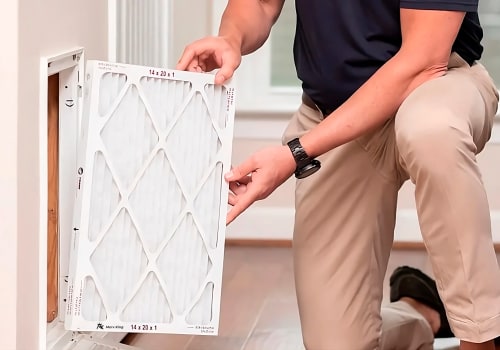
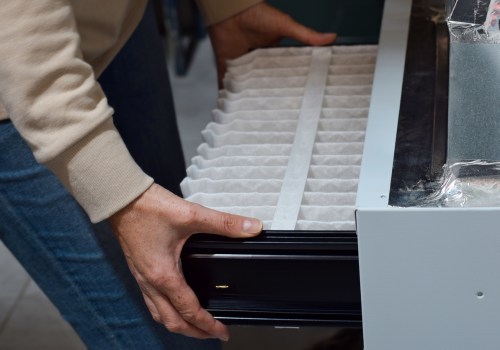
One of the most critical aspects of air purifier maintenance is adhering to a filter replacement schedule. Most manufacturers recommend changing filters every three to six months, but this can vary based on usage and the type of filter:- HEPA Filters: Typically need replacement every 12 to 18 months, depending on air quality and usage.
- Activated Carbon Filters: Should be replaced every 3 to 6 months, especially if you live in an area with high levels of pollutants or odors.
- Pre-Filters: These can often be washed and reused, but should be checked monthly and replaced as needed.
Cleaning Your Air Purifier
In addition to replacing filters, regular cleaning of your air purifier is vital. Dust and debris can accumulate on the exterior and interior components, hindering performance.Here’s how to clean your device effectively:
- Unplug the Device: Always ensure that your air purifier is unplugged before cleaning to avoid any electrical hazards.
- Wipe Down Surfaces: Use a soft, damp cloth to clean the outer surfaces. Avoid using harsh chemicals that could damage the unit.
- Check for Dust Buildup: Open the unit and inspect for dust accumulation inside. Use a vacuum with a brush attachment or a soft brush to gently remove dust from internal components.
- Clean Sensors: If your air purifier has sensors, make sure they are free from dust and debris for accurate readings.
Real-Life Experiences: Testimonials on Air Purifier Impact
Many individuals have shared their personal experiences with air purifiers, highlighting the profound impact these devices have had on their health and well-being.Here are some compelling testimonials that illustrate the benefits of using an air purifier for home.
Case Study 1: Sarah's Allergy Relief
Sarah, a 32-year-old teacher, struggled with severe seasonal allergies for years. She often found herself sneezing and experiencing itchy eyes during springtime. After researching options, she decided to invest in a high-quality air purifier equipped with a HEPA filter. "Within just a few days of using the air purifier, I noticed a significant reduction in my allergy symptoms.
I could finally breathe freely without constantly reaching for antihistamines," she shared. Sarah now uses her air purifier year-round, as it also helps filter out dust and pet dander.
Case Study 2: Mark's Asthma Management
Mark, a 45-year-old graphic designer, has been living with asthma since childhood. He often experienced nighttime wheezing and shortness of breath, which disrupted his sleep. After consulting with his doctor, he purchased an air purifier specifically designed to combat asthma triggers.
"The difference has been life-changing. I sleep better at night without waking up gasping for air," Mark reported. He emphasized that the air purifier not only improved his breathing but also made his home feel fresher and cleaner.
Case Study 3: The Johnson Family's Health Transformation
The Johnson family, consisting of four members, decided to invest in multiple air purifiers after their youngest child was diagnosed with asthma. They placed one unit in each bedroom and another in the living room.
"We noticed a remarkable change in our child's health within weeks. Fewer asthma attacks and less reliance on medication were just the beginning," said Mrs. Johnson. The family also reported feeling more energetic and less fatigued since implementing the air purifiers into their daily lives.
Case Study 4: Emily's Respiratory Improvement
Emily, a 28-year-old office worker, lived in an area with high pollution levels.
She often experienced respiratory issues and frequent colds. After purchasing an air purifier for her home office, she noticed a significant improvement in her overall health. "I used to get sick every few months, but since using the air purifier, I feel healthier and more focused at work," Emily stated.These testimonials underscore the transformative effects that an air purifier for home can have on individuals suffering from various health issues related to poor indoor air quality. By filtering out allergens, pollutants, and irritants, these devices not only enhance respiratory health but also contribute to overall well-being.
Conclusion: The Importance of Clean Air for Health and Well-Being
In conclusion, the significance of maintaining clean air in our homes cannot be overstated.The air we breathe directly impacts our health and well-being, influencing everything from our respiratory function to our overall quality of life. Investing in an air purifier for home use is a proactive step towards creating a healthier living environment.Throughout this article, we have explored the various benefits that air purifiers offer. These devices are particularly effective at removing allergens, pollutants, and harmful particles from the air, making them essential for individuals suffering from respiratory conditions such as asthma or allergies. By filtering out dust, pet dander, smoke, and pollen, air purifiers can significantly reduce the triggers that lead to discomfort and health issues.Moreover, the role of air purifiers extends beyond just alleviating symptoms for those with pre-existing conditions.
They also contribute to the overall health of all household members by improving indoor air quality. Clean air can enhance sleep quality, boost cognitive function, and even improve mood. In a world where we spend a significant amount of time indoors, ensuring that our living spaces are free from harmful contaminants is crucial.It is important to remember that while air purifiers are powerful tools for enhancing indoor air quality, they should be part of a comprehensive approach to maintaining a healthy home. Regular cleaning, proper ventilation, and moisture control are also vital components in preventing issues such as mold growth and chemical accumulation.As you consider your options for improving your home’s air quality, take the time to research different models and their features.
Look for units equipped with HEPA filters and those designed to target specific pollutants relevant to your environment. By making an informed choice, you can ensure that your investment in an air purifier for home will yield significant health benefits.Ultimately, prioritizing clean air is not just about comfort; it is about safeguarding your health and enhancing your quality of life. With the right air purifier in place, you can breathe easier knowing that you are taking steps towards a healthier future.