Air quality is a critical yet often overlooked aspect of our daily lives. The air we breathe indoors can be significantly more polluted than the air outside, primarily due to various sources of indoor air pollution. These pollutants can stem from everyday activities such as cooking, cleaning, and even the materials used in our homes. Understanding the composition of indoor air and its potential health impacts is essential for creating a safe and healthy living environment.Research has shown that poor air quality can lead to a range of health issues, from minor irritations like headaches and fatigue to more severe conditions such as respiratory diseases and cardiovascular problems.
For instance, exposure to particulate matter (PM2.5) and volatile organic compounds (VOCs) can exacerbate asthma symptoms and contribute to long-term lung damage. Furthermore, individuals with pre-existing health conditions, children, and the elderly are particularly vulnerable to the adverse effects of indoor air pollution.In light of these concerns, it becomes increasingly important to prioritize clean air in our homes. The implementation of effective solutions, such as using an air purifier for home use, can significantly mitigate the risks associated with indoor pollutants. By filtering out harmful particles and improving overall air quality, these devices play a vital role in safeguarding our health and well-being.As we delve deeper into the topic of air purifiers and their benefits, it is crucial to recognize that maintaining good air quality is not solely reliant on technology.
It also involves adopting healthier habits and practices within our living spaces. Together, these efforts can lead to a cleaner, safer environment that promotes better health for everyone.
What is an Air Purifier?
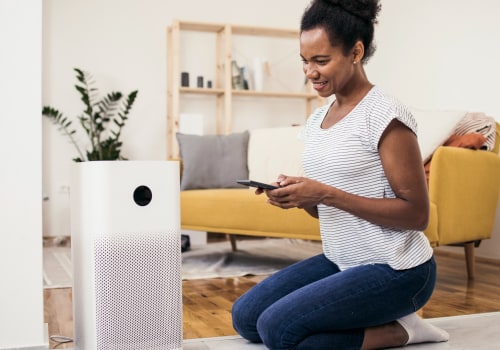
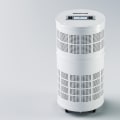
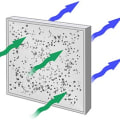
An air purifier is a device designed to improve indoor air quality by removing contaminants from the air. These contaminants can include dust, pollen, pet dander, smoke, and even volatile organic compounds (VOCs) that can be harmful to health. Understanding how air purifiers work and the different types available can help you make an informed decision when selecting one for your home.At its core, an air purifier typically consists of a fan and a series of filters.The fan draws in air from the surrounding environment, which then passes through the filters that capture various pollutants. The purified air is then circulated back into the room, creating a cleaner and healthier atmosphere.
Types of Air Purifiers
- HEPA Air Purifiers: These are among the most popular types of air purifiers. HEPA stands for High-Efficiency Particulate Air, and these filters can trap 99.97% of particles that are 0.3 microns in size or larger. This makes them highly effective at removing allergens such as pollen, dust mites, and pet dander.
- Activated Carbon Air Purifiers: These purifiers use activated carbon filters to absorb odors and gases.
They are particularly effective at eliminating smoke and chemical fumes, making them ideal for kitchens or areas where strong smells are present.
- UV-C Light Air Purifiers: Utilizing ultraviolet light technology, these purifiers kill bacteria and viruses in the air. While they are effective at reducing biological contaminants, they often work best in conjunction with other filtration systems.
- Ionic Air Purifiers: These devices release negatively charged ions into the air, which attach to positively charged particles like dust and allergens. This causes them to clump together and fall to the ground or be captured by a collection plate within the purifier.
On the other hand, if you are concerned about odors from cooking or pets, an activated carbon filter would be more suitable.In summary, an air purifier is a valuable tool for enhancing indoor air quality by filtering out harmful particles and pollutants. By understanding the different types available and how they function, you can select an air purifier that best meets your health needs and improves your home environment.
The Health Benefits of Using Air Purifiers
Using an air purifier for home can lead to significant health benefits, particularly for individuals suffering from allergies, asthma, or other respiratory conditions. These devices work by filtering out harmful particles and pollutants from the air, creating a cleaner and healthier indoor environment.One of the primary advantages of air purifiers is their ability to reduce allergens. Common indoor allergens include dust mites, pet dander, mold spores, and pollen.When these particles are present in high concentrations, they can trigger allergic reactions and exacerbate asthma symptoms. Air purifiers equipped with HEPA filters are particularly effective at capturing these tiny particles, often as small as 0.3 microns. By removing allergens from the air, these devices can help alleviate symptoms such as sneezing, coughing, and itchy eyes.In addition to reducing allergens, air purifiers can also improve overall respiratory health. Studies have shown that individuals living in environments with high levels of air pollution are at a greater risk for developing respiratory diseases.
By using an air purifier, you can significantly lower your exposure to harmful pollutants such as volatile organic compounds (VOCs), smoke, and fine particulate matter (PM2.5). This reduction in exposure can lead to improved lung function and a decreased risk of respiratory infections.Moreover, the benefits of air purifiers extend beyond just physical health. Improved air quality can also enhance mental well-being. Poor indoor air quality has been linked to increased stress levels and decreased cognitive function.
By ensuring that the air you breathe is clean and free from harmful contaminants, you may experience better focus, improved mood, and overall enhanced quality of life.To maximize the health benefits of an air purifier for home, it is essential to choose a model that suits your specific needs. Look for features such as multiple filtration stages, including HEPA and activated carbon filters, which can effectively tackle both particulate matter and odors. Regular maintenance and timely filter replacements are also crucial to ensure optimal performance.In conclusion, incorporating an air purifier into your home can lead to numerous health benefits by reducing allergens, improving respiratory health, and contributing to overall well-being. As we become more aware of the importance of indoor air quality, investing in an effective air purification system is a proactive step towards a healthier lifestyle.
Common Indoor Pollutants and How Air Purifiers Help
Indoor air quality is often compromised by a variety of pollutants that can negatively impact our health and well-being.Understanding these common indoor pollutants is crucial for making informed decisions about air purification in your home.
Common Indoor Pollutants
- Dust: Dust is a ubiquitous indoor pollutant composed of tiny particles from various sources, including skin cells, fabric fibers, and dirt. It can trigger allergies and respiratory issues.
- Pet Dander: For pet owners, dander—tiny flakes of skin shed by cats, dogs, and other animals—can be a significant allergen. It can linger in the air and settle on surfaces, exacerbating allergy symptoms.
- Mold Spores: Mold thrives in damp environments and can release spores into the air. These spores can cause respiratory problems and allergic reactions, making mold a serious indoor health concern.
- Volatile Organic Compounds (VOCs): VOCs are emitted as gases from certain solids or liquids, including paints, cleaning products, and building materials.
Prolonged exposure to VOCs can lead to headaches, dizziness, and long-term health issues.
How Air Purifiers Help
Air purifiers are designed to combat these indoor pollutants effectively. Here’s how they work:
- HEPA Filters: Many air purifiers utilize HEPA (High-Efficiency Particulate Air) filters that can capture 99.97% of particles as small as 0.3 microns. This includes dust, pet dander, and mold spores, significantly reducing their presence in your home.
- Activated Carbon Filters: For tackling odors and VOCs, activated carbon filters are essential. They adsorb gaseous pollutants, helping to eliminate unpleasant smells from cooking, pets, or cleaning products.
- UV-C Light Technology: Some advanced air purifiers incorporate UV-C light technology that can kill bacteria and viruses present in the air, further enhancing the safety of your indoor environment.
Regular use of an air purifier can lead to noticeable improvements in allergy symptoms and overall respiratory health.
Choosing the Right Air Purifier for Your Home
When it comes to enhancing the air quality in your home, selecting the right air purifier for home use is crucial. With a plethora of options available, understanding how to choose an air purifier that meets your specific needs can make all the difference. Here are some essential factors to consider:- Filter Types: The effectiveness of an air purifier largely depends on its filter system. The most common types include:
- HEPA Filters: High-Efficiency Particulate Air (HEPA) filters are designed to capture 99.97% of particles as small as 0.3 microns, making them ideal for trapping allergens like pollen, dust mites, and pet dander.
- Activated Carbon Filters: These filters excel at absorbing odors and volatile organic compounds (VOCs), making them perfect for homes with pets or smokers.
- Pre-Filters: Often used in conjunction with HEPA filters, pre-filters capture larger particles and extend the life of the main filter.
Room Size Compatibility:
Before purchasing an air purifier, assess the size of the room where it will be used.
Each model has a specified Clean Air Delivery Rate (CADR) that indicates its efficiency in filtering air in a given space. Ensure that the CADR rating matches or exceeds the square footage of your room for optimal performance.
Noise Levels:
Noise can be a significant factor, especially if you plan to use the air purifier in a bedroom or office. Look for models that offer multiple fan speeds and check user reviews for insights on noise levels at different settings. Many modern air purifiers operate quietly, allowing you to enjoy clean air without disruptive sounds.
Additional Features:
Consider other features that may enhance your experience:
- Smart Technology: Some air purifiers come equipped with Wi-Fi connectivity and smartphone apps, allowing you to monitor air quality and control settings remotely.
- Air Quality Sensors: These sensors automatically adjust the purifier's operation based on real-time air quality readings, ensuring efficient performance.
- Filter Replacement Indicators: This feature alerts you when it's time to change filters, helping maintain optimal performance without guesswork.
Investing in a quality air purifier not only enhances your indoor environment but also contributes significantly to your overall health and well-being.
Air Purifier Maintenance: Keeping Your Device Effective
To ensure that your air purifier for home operates at peak efficiency, regular maintenance is essential. Neglecting this aspect can lead to diminished performance and reduced air quality, which defeats the purpose of having the device in the first place. Here are some key maintenance tips to keep your air purifier functioning effectively:- Regular Filter Replacement: One of the most critical aspects of air purifier maintenance is replacing the filters. Most manufacturers recommend changing HEPA filters every 6 to 12 months, depending on usage and air quality.
Activated carbon filters may need replacement more frequently, especially if you live in an area with high levels of pollutants or odors.
- Check Filter Indicators: Many modern air purifiers come equipped with filter change indicators. These alerts can help you keep track of when it’s time to replace your filters, ensuring that you don’t overlook this important task.
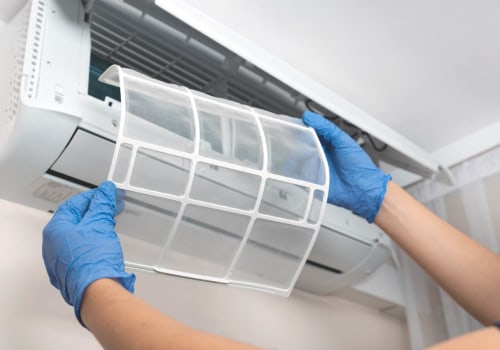
- Clean Pre-Filters: If your air purifier has a pre-filter, it’s advisable to clean it regularly. This can often be done by vacuuming or washing it, depending on the manufacturer’s instructions. A clean pre-filter helps extend the life of the main filter by capturing larger particles before they reach it.
- Wipe Down Surfaces: Dust and debris can accumulate on the exterior of your air purifier, which may affect its performance.
Regularly wipe down the surfaces with a damp cloth to keep it clean and functioning well.
- Monitor Air Quality: Keep an eye on indoor air quality levels using an air quality monitor. This can help you determine if your air purifier is effectively improving your home’s air quality or if maintenance is needed sooner than expected.
Air Purifiers vs. Other Air Quality Solutions
When it comes to enhancing indoor air quality, many homeowners often find themselves weighing the benefits of air purifiers against other solutions such as humidifiers and ventilation systems.Each of these options serves a unique purpose, and understanding their differences can help you make an informed decision about which is best for your home.
Air Purifiers vs. Humidifiers
Air purifiers are designed to remove airborne contaminants, including dust, pollen, pet dander, and smoke particles. They work by filtering the air through various types of filters, such as HEPA and activated carbon, effectively trapping harmful particles and improving overall air quality. In contrast, humidifiers add moisture to the air, which can be beneficial in dry environments or during winter months when indoor heating can lead to low humidity levels.While both devices contribute to a healthier living environment, they address different issues.If you suffer from allergies or respiratory conditions exacerbated by airborne pollutants, an air purifier is essential. On the other hand, if you experience dry skin or respiratory discomfort due to low humidity, a humidifier may be the solution you need.
Alternatives to Air Purifiers
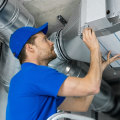
Aside from humidifiers, there are several alternatives to consider when looking to improve indoor air quality:- Ventilation Systems: Proper ventilation is crucial for maintaining fresh air in your home. Systems that bring in outdoor air can help dilute indoor pollutants and reduce concentrations of harmful substances.
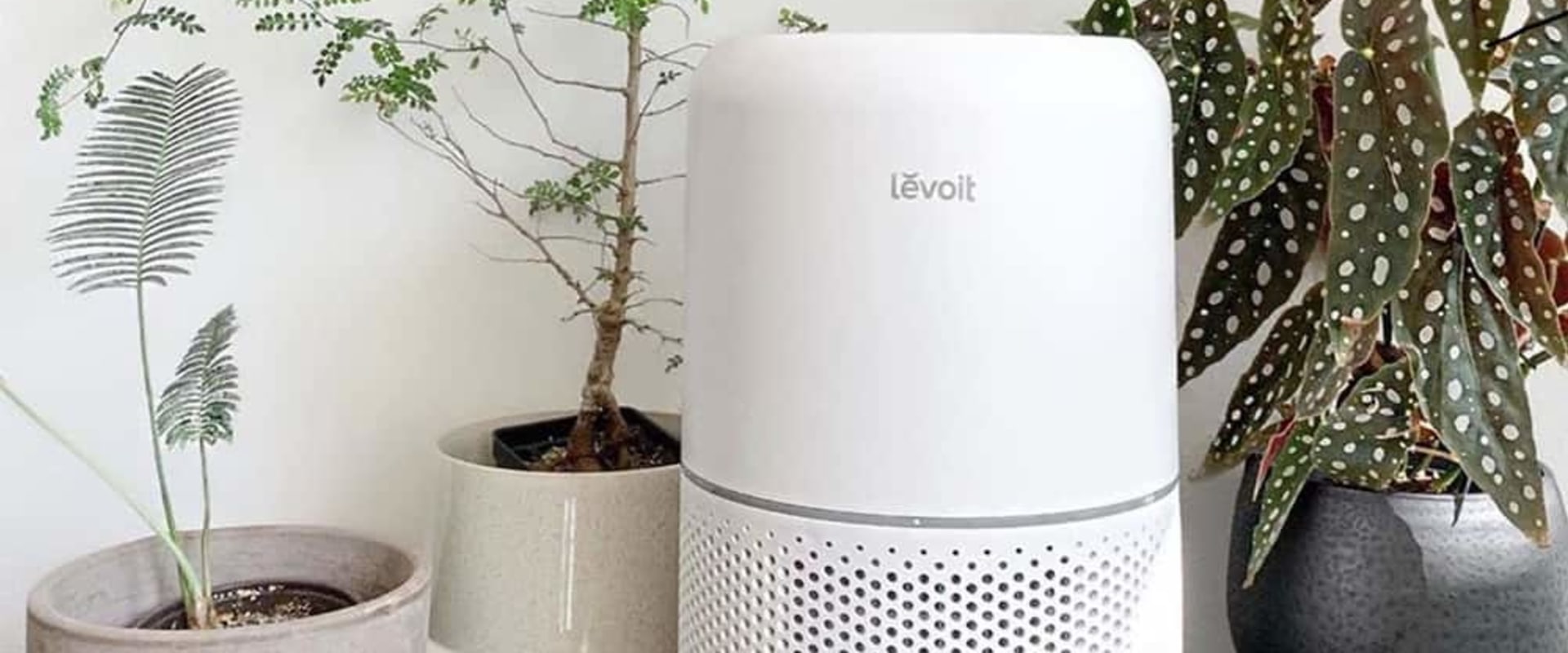
- Houseplants: Certain plants can naturally filter toxins from the air. While they may not replace an air purifier, they can complement your efforts in improving air quality.
- Regular Cleaning: Frequent dusting and vacuuming can significantly reduce allergens and pollutants in your home.
Using a vacuum with a HEPA filter can enhance this effect.
Benefits of Air Purifiers Compared to Other Solutions
The primary advantage of using an air purifier is its ability to target specific airborne contaminants effectively. Unlike humidifiers that only add moisture, air purifiers actively remove particles that can trigger allergies or respiratory issues. Additionally, many modern air purifiers come equipped with smart technology that allows for real-time monitoring of air quality and automatic adjustments based on detected pollution levels.In summary, while humidifiers and other alternatives play important roles in maintaining a healthy indoor environment, air purifiers stand out for their targeted approach to eliminating harmful particles from the air. Depending on your specific needs—whether it's reducing allergens or increasing humidity—understanding these differences will help you choose the right solution for your home.<strong>Frequently Asked Questions about Air Purifiers</strong>
As air purifiers gain popularity, many people have questions about their effectiveness and functionality.Below are some of the most frequently asked questions regarding air purifiers for home use, along with clear and concise answers.
Do air purifiers really work?
Yes, air purifiers can significantly improve indoor air quality. They are designed to capture and filter out a variety of airborne pollutants, including dust, pollen, pet dander, smoke, and even some bacteria and viruses. The effectiveness of an air purifier largely depends on its type and the filters it uses. For instance, HEPA (High-Efficiency Particulate Air) filters are known for their ability to trap 99.97% of particles that are 0.3 microns in size, making them highly effective for removing allergens and other harmful particles from the air.Can air purifiers eliminate odors?
While air purifiers can help reduce unpleasant odors over time, they may not completely eliminate them immediately.To effectively tackle odors such as smoke or pet smells, it is advisable to choose an air purifier equipped with an activated carbon filter. This type of filter is specifically designed to absorb gaseous pollutants and neutralize odors. However, it’s important to note that persistent odors may require additional cleaning methods or source removal for complete eradication.
What types of pollutants can air purifiers remove?
Air purifiers are capable of removing a wide range of pollutants from indoor air. Some common contaminants include:- Dust and Dust Mites: These tiny particles can trigger allergies and asthma symptoms.
- Pollen: A major allergen during certain seasons, pollen can be effectively filtered out.
- Pet Dander: For pet owners, air purifiers can help reduce allergens associated with furry friends.
- Smoke Particles: Whether from cooking or tobacco use, smoke particles can be harmful to health.
- Bacteria and Viruses: Some advanced models can capture airborne pathogens, contributing to a healthier environment.
By addressing these common questions, you can better appreciate the role that these devices play in promoting a healthier living space.
<strong>Conclusion: The Importance of Clean Air for a Healthy Home</strong>
In conclusion, the significance of maintaining clean air in our homes cannot be overstated. As we have explored throughout this article, air purifiers serve as a vital tool in enhancing indoor air quality, which is essential for our overall health and well-being. The benefits of using an air purifier extend beyond mere comfort; they play a crucial role in mitigating the risks associated with airborne pollutants.One of the primary advantages of air purifiers is their ability to effectively remove harmful particles from the air we breathe. These devices are designed to capture allergens such as dust mites, pet dander, and pollen, which can trigger respiratory issues and allergies.By reducing these irritants, air purifiers contribute to a healthier living environment, particularly for individuals with asthma or other respiratory conditions.Moreover, air purifiers can significantly decrease the presence of volatile organic compounds (VOCs) and other harmful gases that may emanate from household products, furniture, and building materials. This reduction not only improves air quality but also enhances our overall comfort at home. The use of activated carbon filters in many air purifiers is particularly effective in absorbing these gaseous pollutants.Another critical aspect to consider is the impact of clean air on mental health. Studies have shown that poor indoor air quality can lead to increased stress levels and decreased cognitive function.
By investing in an air purifier, you are not only safeguarding your physical health but also promoting a more serene and productive living space.It is essential to remember that while air purifiers are a powerful ally in the fight against indoor pollution, they should be part of a comprehensive approach to maintaining a healthy home. Regular cleaning practices, proper ventilation, and minimizing the use of toxic substances are equally important in ensuring that your indoor environment remains safe and healthy.In summary, incorporating an air purifier for home use is a proactive step towards enhancing your indoor air quality. The myriad benefits—from reducing allergens and pollutants to fostering better mental health—underscore the importance of clean air in our daily lives. As we continue to navigate an increasingly polluted world, prioritizing the quality of the air we breathe at home is more crucial than ever.