In today's world, where we spend a significant amount of time indoors, the quality of the air we breathe has become a crucial concern.
Air purifiers
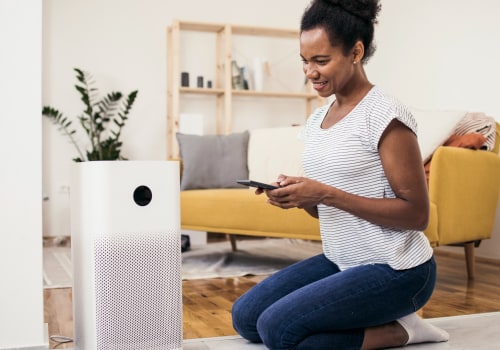
have emerged as essential devices designed to enhance indoor air quality by filtering out harmful particles and pollutants. But what exactly is an air purifier? At its core, an air purifier is a device that removes contaminants from the air in a room or an entire building. These devices are particularly beneficial for individuals suffering from allergies, asthma, or other respiratory conditions, as they can significantly reduce the presence of allergens and irritants.Understanding how air purifiers work is key to appreciating their value.Most air purifiers utilize a combination of filtration methods to capture various types of pollutants. The most common technology involves mechanical filters, which trap particles like dust, pollen, and pet dander. Some advanced models incorporate additional features such as activated carbon filters to absorb odors and volatile organic compounds (VOCs), while others may use UV light or ionization to neutralize bacteria and viruses. This multi-faceted approach ensures that the air you breathe is not only cleaner but also healthier.The benefits of using an air purifier extend beyond mere cleanliness.
By effectively reducing airborne contaminants, these devices can help alleviate allergy symptoms, improve sleep quality, and even enhance overall well-being. In environments where mold spores or pet dander are prevalent, an air purifier acts as a protective barrier, minimizing exposure to these irritants. Furthermore, with the rise of concerns regarding indoor air pollution—often more severe than outdoor pollution—investing in an air purifier can be seen as a proactive step towards safeguarding your health and creating a more comfortable living space.
The Importance of Indoor Air Quality
Maintaining good indoor air quality (IAQ) is essential for promoting health and well-being in our homes. The air we breathe indoors can often be more polluted than outdoor air, primarily due to the accumulation of various contaminants.Understanding the significance of IAQ and the common pollutants that affect it can help us take proactive measures to improve our living environments.Common indoor pollutants include:
- Dust and Dust Mites: These tiny creatures thrive in household dust and can trigger allergies and asthma symptoms.
- Pollen: Even indoors, pollen can enter through open windows and doors, exacerbating allergy sufferers' conditions.
- Pet Dander: For pet owners, dander is a significant contributor to poor air quality, leading to respiratory issues.
- Mold Spores: Mold thrives in damp areas and can release spores into the air, causing allergic reactions and respiratory problems.
- Volatile Organic Compounds (VOCs): Emitted from paints, cleaning products, and furnishings, VOCs can lead to headaches, dizziness, and long-term health effects.
- Carbon Dioxide (CO2): High levels of CO2 can result from inadequate ventilation, leading to fatigue and decreased cognitive function.
This statistic underscores the importance of ensuring that the air we breathe is clean and safe. Poor IAQ not only affects physical health but also impacts mental well-being. Studies have shown that improved air quality can enhance mood, productivity, and overall comfort levels.In conclusion, prioritizing indoor air quality is crucial for safeguarding our health. By understanding common pollutants and their effects on our bodies, we can take steps to mitigate these risks—whether through regular cleaning, proper ventilation, or investing in an air purifier for home.
Taking action today can lead to a healthier tomorrow.
Types of Air Purifiers Available for Home Use
When considering an air purifier for home use, it's essential to understand the various types available on the market. Each type employs different technologies and mechanisms to improve indoor air quality, catering to specific needs and preferences.HEPA Filters
High-Efficiency Particulate Air (HEPA) filters are among the most popular choices for residential air purifiers. These filters are designed to capture at least 99.97% of particles that are 0.3 microns in size, including dust, pollen, pet dander, and even some bacteria and viruses. The effectiveness of HEPA filters makes them an excellent option for individuals with allergies or respiratory issues.Activated Carbon Filters
Activated carbon filters utilize a porous material that adsorbs odors, gases, and volatile organic compounds (VOCs) from the air.This type of filter is particularly effective in removing unpleasant smells from cooking, pets, or smoke. While activated carbon filters do not capture particulate matter as effectively as HEPA filters, they play a crucial role in improving overall air quality by addressing chemical pollutants.
UV Air Purifiers
Ultraviolet (UV) air purifiers use UV light to kill or deactivate microorganisms such as bacteria, viruses, and mold spores. These systems can be particularly beneficial in households where health concerns are paramount, as they provide an additional layer of protection against airborne pathogens. However, it's important to note that UV purifiers are often used in conjunction with other filtration methods to ensure comprehensive air cleaning.Ionic Air Purifiers
Ionic air purifiers work by emitting negatively charged ions into the air, which attach to positively charged particles like dust and allergens.This process causes the particles to clump together and fall out of the air or get trapped on collector plates within the device. While ionic purifiers can be effective at reducing airborne particles, they may produce ozone as a byproduct, which can be harmful in high concentrations.
Hybrid Systems
Many modern air purifiers combine multiple technologies to enhance their effectiveness. For instance, a hybrid system might integrate HEPA filtration with activated carbon and UV light technology. This combination allows for comprehensive air purification that addresses both particulate matter and gaseous pollutants while also targeting microorganisms.In summary, selecting the right air purifier for home use depends on your specific needs—whether you're looking to combat allergens, eliminate odors, or reduce pathogens in your living space.Understanding the different types of air purifiers available will help you make an informed decision that best suits your indoor air quality requirements.
How HVAC Air Purifiers Work with Your System
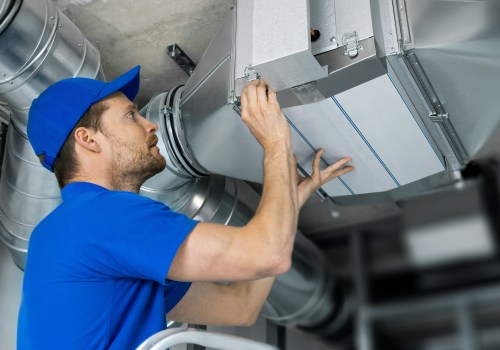
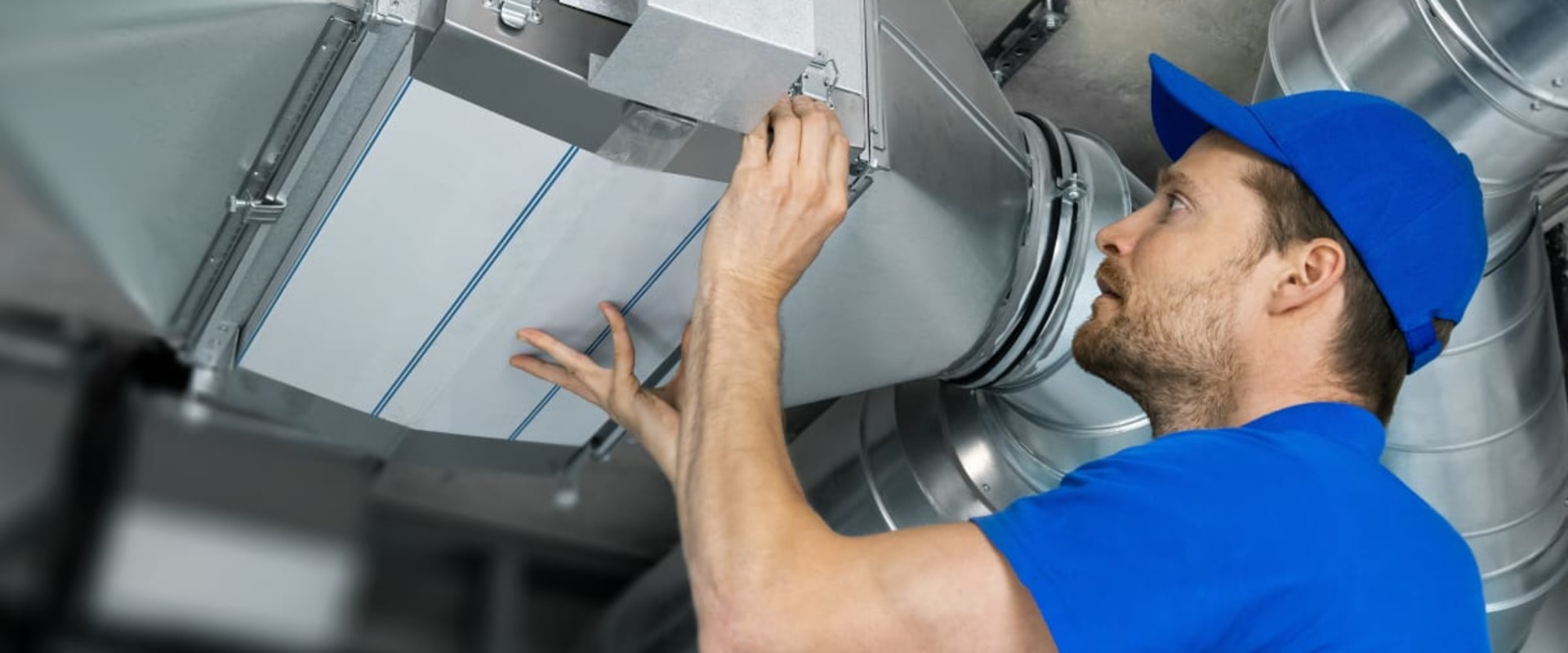
Integrating an air purifier with your HVAC system can significantly enhance the quality of the air you breathe indoors. These systems work by utilizing the existing ductwork and airflow of your heating and cooling setup, allowing for a more comprehensive approach to air purification compared to standalone units.How HVAC Air Purifiers Operate
HVAC air purifiers are designed to filter and clean the air as it circulates through your home. When your HVAC system is in operation, air is drawn into the system, passing through the air purifier before being distributed back into your living spaces. This process ensures that contaminants such as dust, pollen, pet dander, and even mold spores are effectively captured and removed from the air.Most HVAC-integrated air purifiers utilize advanced filtration technologies, including:
- High-Efficiency Particulate Air (HEPA) Filters: These filters can capture particles as small as 0.3 microns with an efficiency of 99.97%, making them highly effective against allergens and pollutants.
- UV Light Technology: Some systems incorporate UV light to neutralize bacteria and viruses, providing an additional layer of protection against airborne pathogens.
- Electrostatic Filters: These filters use an electric charge to attract and trap particles, enhancing their ability to purify the air.
Benefits of Integrating Air Purifiers with HVAC Systems
The advantages of using HVAC-integrated air purifiers over standalone units are numerous:
- Comprehensive Coverage: Since these purifiers work with your entire HVAC system, they can clean the air in every room of your home, rather than just a single area.
- Energy Efficiency: By utilizing existing ductwork, these systems often consume less energy compared to multiple standalone units operating simultaneously.
- Convenience: With a centralized system, maintenance is simplified.
You only need to replace filters periodically rather than managing multiple devices throughout your home.
- Improved Indoor Air Quality: Regularly filtering out pollutants can lead to a healthier living environment, reducing allergy symptoms and respiratory issues for occupants.
Evaluating the Effectiveness of Air Purifiers
When considering whether an air purifier for home use is effective, it’s essential to look at scientific studies and expert opinions that provide a clearer picture of their capabilities. Numerous studies have been conducted to evaluate the efficiency of various types of air purifiers, and the results can be quite enlightening.One significant study published in the journal Environmental Science & Technology found that HEPA (High-Efficiency Particulate Air) filters can remove up to 99.97% of particles that are 0.3 microns in size, including dust, pollen, and pet dander. This level of filtration is crucial for individuals suffering from allergies or respiratory conditions, as it significantly reduces the number of airborne allergens.Moreover, a meta-analysis conducted by researchers at the University of California revealed that air purifiers equipped with UV-C light technology can effectively reduce airborne viruses and bacteria.This is particularly relevant in light of recent global health concerns, where airborne transmission has become a focal point. The study indicated that these purifiers could decrease the concentration of pathogens in indoor environments by up to 80%.However, misconceptions about air purifiers persist. Some consumers believe that all air purifiers are equally effective, but this is not the case. For instance, while some models may claim to eliminate odors or kill germs, they may not have the same filtration capabilities as HEPA filters.
It’s crucial to understand the specifications and technology behind each unit before making a purchase.Additionally, experts emphasize that air purifiers should not be viewed as a standalone solution for improving indoor air quality. According to Tony Abate, a certified indoor environmentalist, while air purifiers can significantly enhance air quality, they work best when combined with other practices such as regular cleaning and proper ventilation.In conclusion, the effectiveness of air purifiers largely depends on their type and technology. Studies consistently show that high-quality models can substantially improve indoor air quality by removing harmful particles and pathogens. However, consumers should remain informed about the specific features and limitations of each product to ensure they select an air purifier that meets their needs. largely depends on their type and technology. Studies consistently show that high-quality models can substantially improve indoor air quality by removing harmful particles and pathogens. However, consumers should remain informed about the specific features and limitations of each product to ensure they select an air purifier that meets their needs.
Cost Considerations: Are Air Purifiers Worth the Investment?
When considering whether to invest in an air purifier for home, one of the most significant factors to evaluate is the cost.The initial purchase price of air purifiers can vary widely, ranging from around $100 for basic models to over $1,000 for advanced systems integrated with HVAC systems. However, the financial implications extend beyond just the upfront cost.First, it’s essential to consider the long-term savings that can result from improved indoor air quality. Poor air quality can lead to various health issues, including respiratory problems, allergies, and even chronic conditions. According to studies, individuals suffering from asthma or allergies may experience exacerbated symptoms when exposed to pollutants commonly found indoors.
By investing in an air purifier, you may reduce the frequency of these health issues, potentially leading to fewer doctor visits and lower medical expenses over time.Moreover, many air purifiers are designed to be energy-efficient. While they do consume electricity, the cost of running a high-quality air purifier is often minimal compared to the potential savings on healthcare costs. For instance, a well-maintained air purifier can help reduce the need for medications or treatments related to respiratory ailments.Additionally, consider the maintenance costs associated with air purifiers. Most models require filter replacements every few months, which can add up over time.
However, investing in a high-efficiency particulate air (HEPA) filter can enhance performance and longevity, ultimately providing better value for your money.In summary, while the initial investment in an air purifier for home may seem steep, the long-term benefits—both health-related and financial—can outweigh these costs significantly. By improving indoor air quality and reducing health risks, air purifiers can lead to substantial savings on medical expenses and enhance overall well-being.
Choosing the Right Air Purifier for Your Home
When it comes to selecting the right air purifier for your home, understanding your specific needs and the environment in which you live is crucial. With a plethora of options available, making an informed choice can significantly enhance your indoor air quality.1.Assess Your Space
- Room Size: The first step is to determine the size of the room where you plan to use the air purifier. Most manufacturers provide a recommended coverage area, typically measured in square feet.
Ensure that the model you choose is capable of effectively filtering air in that space.
- Ceiling Height: If your ceilings are higher than average, consider this when calculating the volume of air that needs purification. Some purifiers may struggle to maintain efficiency in larger spaces.
2.Identify Specific Pollutants
- Allergens: If you or your family members suffer from allergies, look for purifiers equipped with HEPA filters, which can capture 99.97% of particles as small as 0.3 microns, including pollen, dust mites, and pet dander.
- Odors and VOCs: For homes with pets or cooking odors, consider models with activated carbon filters that can absorb smells and volatile organic compounds (VOCs) emitted from household products.
- Mold and Bacteria: If mold growth is a concern, opt for purifiers that include UV-C light technology or other germicidal features to help eliminate airborne pathogens.
3.Evaluate Features and Certifications
- CADR Ratings: The Clean Air Delivery Rate (CADR) indicates how quickly an air purifier can clean the air in a specific size room. Higher CADR ratings mean faster purification.
- Noise Levels: Consider the noise level of the unit, especially if it will be used in bedrooms or quiet spaces. Look for models with a "silent" or "whisper" mode.
- Energy Efficiency: Check for Energy Star ratings to ensure that your air purifier operates efficiently without significantly increasing your energy bills.
4.Maintenance and Filter Replacement
- Filter Lifespan: Understand how often filters need to be replaced and factor this into your long-term costs.
Some models have washable filters that can save money over time.
- User-Friendly Features: Look for features such as filter change indicators, remote controls, and smart technology that allows you to monitor air quality through an app.
Maintenance Tips for Optimal Performance
To ensure your air purifier for home operates at peak efficiency, regular maintenance is essential. Proper care not only enhances performance but also extends the lifespan of your unit. Here are some practical tips to help you maintain your air purifier effectively:- Regular Filter Replacement: One of the most critical aspects of air purifier maintenance is timely filter replacement. Depending on the model and usage, filters should typically be replaced every 3 to 6 months.
Check the manufacturer’s guidelines for specific recommendations. If you have pets or live in a dusty area, you may need to replace filters more frequently.
- Cleaning the Pre-Filters: Many air purifiers come with pre-filters that capture larger particles before they reach the main filter. These can often be washed or vacuumed to remove dust and debris. Cleaning pre-filters every month can significantly improve airflow and efficiency.
- Wipe Down Surfaces: Dust and grime can accumulate on the exterior of your air purifier, affecting its performance.
Use a damp cloth to wipe down the surfaces regularly, ensuring that vents and air intakes remain unobstructed.
- Monitor Air Quality Indicators: Many modern air purifiers are equipped with indicators that alert you when it’s time to change filters or when air quality is poor. Pay attention to these signals to maintain optimal performance.
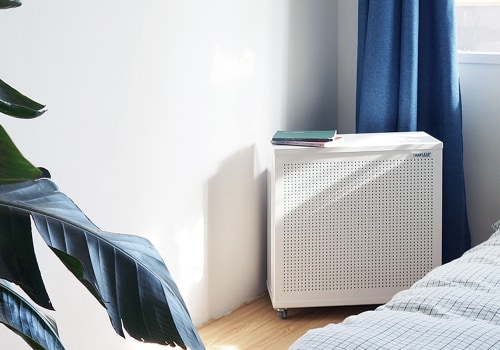
- Keep the Area Around the Purifier Clear: Ensure that your air purifier has adequate space around it for proper airflow. Avoid placing it in corners or behind furniture, as this can hinder its ability to circulate air effectively.
- Check for Unusual Noises: If your air purifier starts making strange noises, it could indicate a problem. Regularly inspect the unit for any signs of malfunction, such as rattling or grinding sounds, and consult a professional if necessary.
Regular upkeep not only maximizes performance but also helps in prolonging the lifespan of your device, making it a worthwhile investment in your indoor air quality.
Common Myths About Air Purifiers Debunked
When considering an air purifier for home, it's essential to separate fact from fiction. Many misconceptions can lead to confusion about their effectiveness and necessity. Here, we debunk some of the most common myths surrounding air purifiers.- Myth 1: Air Purifiers Are Only for Allergies
While air purifiers are indeed beneficial for individuals with allergies, they serve a broader purpose. They can effectively remove a variety of pollutants, including dust, pet dander, smoke, and even volatile organic compounds (VOCs) from household products.This makes them valuable for anyone looking to improve indoor air quality.
- Myth 2: All Air Purifiers Are the Same
Not all air purifiers are created equal. Different models utilize various technologies such as HEPA filters, activated carbon, or UV light. Each type has its strengths and weaknesses in targeting specific pollutants. Therefore, it’s crucial to choose an air purifier that fits your specific needs. - Myth 3: Air Purifiers Eliminate All Airborne Contaminants
While air purifiers significantly reduce airborne particles, they do not eliminate all contaminants.For instance, larger particles like dust mites may not be fully captured. Additionally, some gases and odors may require specialized filters or additional ventilation solutions.
- Myth 4: Using an Air Purifier Means You Don’t Need to Clean
An air purifier is not a substitute for regular cleaning. While it helps reduce airborne pollutants, it does not eliminate the need for dusting and vacuuming. Regular maintenance of your home is still essential for optimal air quality. - Myth 5: Air Purifiers Are Noisy
Many people believe that effective air purifiers are loud and disruptive.However, advancements in technology have led to the development of quieter models that operate efficiently without causing noise disturbances. Look for units with a low decibel rating if noise is a concern.
<strong>Conclusion</strong>
In conclusion, the question of whether an air purifier for home use is worth the investment is multifaceted and depends on various factors unique to each household. As we have explored, the benefits of integrating an air purifier into your HVAC system can significantly enhance indoor air quality, making it a valuable addition for many families.For individuals suffering from allergies, asthma, or other respiratory conditions, the presence of an air purifier can provide much-needed relief by filtering out harmful particles such as pollen, dust mites, and pet dander.Moreover, with the ongoing concerns about airborne pathogens, especially in light of recent global health events, having a reliable air purification system can serve as an additional layer of protection against viruses and bacteria.However, it is crucial to recognize that not all air purifiers are created equal. When considering an air purifier for home, it is essential to evaluate the specific needs of your living environment. Factors such as the size of your home, the presence of pets, and existing air quality issues should guide your choice. Consulting with an HVAC professional can help you identify the most effective model that aligns with your requirements.Additionally, while mechanical filters and UV light systems are popular options, understanding their maintenance needs and operational costs is vital for long-term satisfaction.
Regular filter changes and potential energy consumption should be factored into your decision-making process.Ultimately, investing in an air purifier can lead to a healthier living space and improved overall well-being. By taking proactive steps to enhance indoor air quality, you are not only safeguarding your health but also creating a more comfortable environment for you and your loved ones.In summary, if you prioritize clean air and are willing to invest in a quality system tailored to your needs, an air purifier for home use is undoubtedly worth considering.