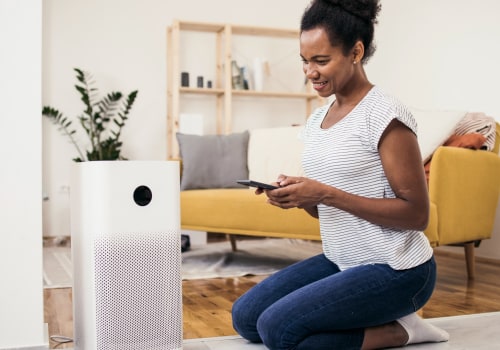
In recent years, the conversation surrounding indoor air quality has gained significant traction, particularly as people become increasingly aware of the potential health risks associated with poor air conditions. An air purifier for home use has emerged as a popular solution for those seeking to enhance their living environments. But what exactly is an air purifier, and how does it function? At its core, an air purifier is a device designed to remove contaminants from the air in a room, thereby improving overall air quality. These devices utilize various technologies to filter out pollutants, allergens, and other harmful particles that can affect respiratory health.The primary purpose of air purifiers is to create a cleaner and healthier indoor atmosphere.
They are particularly beneficial for individuals suffering from allergies, asthma, or other respiratory conditions, as they can significantly reduce airborne irritants such as dust mites, pet dander, pollen, and mold spores. Moreover, with the rise of environmental concerns and the impact of urban pollution on health, many homeowners are turning to these devices not just for relief from allergens but also to combat the effects of volatile organic compounds (VOCs) and other harmful gases that may be present in their homes.Beyond their role in alleviating allergy symptoms and improving respiratory health, the benefits of using an air purifier extend to enhancing overall well-being. Cleaner air can lead to better sleep quality, increased productivity, and a general sense of comfort within your living space. As more people recognize the importance of maintaining good indoor air quality, understanding how these devices work and their potential advantages becomes essential.
In this article, we will delve deeper into the various types of air purifiers available on the market today and explore their effectiveness in creating a healthier home environment.
The Science Behind Air Purifiers
Understanding how air purifiers work is essential for anyone considering them for their home. At the core of most air purifiers are two primary technologies: mechanical filters and electronic filters. Each of these technologies operates differently and has its own set of advantages and disadvantages.Mechanical Filters
Mechanical filters, particularly HEPA filters (High-Efficiency Particulate Air filters), are renowned for their ability to capture a wide range of airborne particles. These filters work by forcing air through a dense mat of fibers that trap pollutants such as dust, pollen, pet dander, and even some bacteria and viruses.To qualify as a true HEPA filter, it must remove at least 99.97% of particles that are 0.3 microns in size.The effectiveness of HEPA filters is well-documented. Studies have shown that they can significantly reduce the concentration of allergens and other harmful particles in indoor air, making them an excellent choice for individuals with allergies or respiratory issues. However, it’s important to note that while HEPA filters excel at capturing solid particles, they are less effective against gases and odors.
Electronic Filters
On the other hand, electronic filters utilize a different approach to air purification. These devices often employ ionization technology, which charges air molecules and causes them to attract and bind with airborne pollutants.This process can effectively reduce the number of particles in the air; however, it may also produce ozone as a byproduct—a gas that can be harmful to health when present in high concentrations.While electronic filters can be effective in reducing certain types of pollutants, the potential for ozone production raises concerns about their safety, especially in enclosed spaces like homes. Therefore, many experts recommend opting for mechanical filtration systems over electronic ones to ensure cleaner and safer indoor air quality.In summary, both HEPA and electronic filters have their roles in air purification. HEPA filters are generally more reliable for capturing particulate matter, while electronic filters may offer some benefits but come with risks associated with ozone production. When selecting an air purifier for home, understanding these technologies will help you make an informed decision that best suits your needs.
Common Myths About Air Purifiers
When it comes to air purifiers for home, numerous myths and misconceptions can cloud consumer understanding.Addressing these myths is essential for making informed decisions about indoor air quality solutions. Here are some of the most common misconceptions:
- Myth 1: Air Purifiers Eliminate All Pollutants
Many people believe that air purifiers can completely eliminate all harmful particles from their indoor environment. In reality, while air purifiers can significantly reduce airborne pollutants, they do not capture everything. Larger particles, such as dust and pet dander, may be filtered out, but smaller particles and certain gases can still remain in the air. - Myth 2: Ozone Generators Are Safe and Effective
Some consumers are drawn to ozone generators, thinking they are a powerful solution for air purification.However, ozone can be harmful to human health, causing respiratory issues and other problems. Most experts recommend avoiding ozone-generating devices in favor of safer options like HEPA filters.
- Myth 3: All Air Purifiers Are the Same
Not all air purifiers are created equal. Different models utilize various technologies, such as HEPA filters, activated carbon, or UV light. Each type has its strengths and weaknesses, making it crucial to choose one that aligns with your specific needs. - Myth 4: Air Purifiers Are Only Necessary During Allergy Season
While many people associate air purifiers with allergy relief during peak pollen seasons, they can be beneficial year-round.Indoor air quality can be compromised by various factors, including cooking fumes, pet dander, and even mold spores. Regular use of an air purifier can help maintain a healthier living environment.
- Myth 5: You Don’t Need to Change Filters Regularly
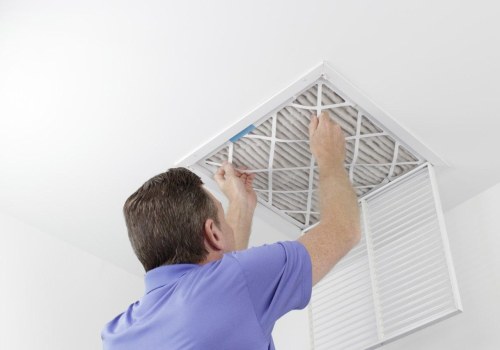
Some users believe that once they purchase an air purifier, they don’t need to worry about maintenance. In truth, regular filter changes are essential for optimal performance. Clogged or dirty filters can reduce efficiency and may even release trapped pollutants back into the air.
It’s important to approach the purchase of an air purifier with realistic expectations and a clear understanding of its capabilities and limitations.
Air Purifiers and Indoor Air Quality (IAQ)
Indoor air quality (IAQ) is a critical aspect of our health and well-being, especially considering that many people spend a significant portion of their time indoors. The air we breathe can be laden with various pollutants, including dust, pet dander, mold spores, and volatile organic compounds (VOCs) emitted from household products. Air purifiers have gained popularity as a potential solution to combat these pollutants and improve IAQ.Research indicates that air purifiers can effectively reduce certain airborne contaminants. For instance, HEPA (High-Efficiency Particulate Air) filters are designed to capture particles as small as 0.3 microns with an efficiency of 99.97%.This means they can significantly lower the concentration of allergens and other harmful particles in the air. However, it is essential to recognize that while air purifiers can help mitigate some pollutants, they are not a panacea for all indoor air quality issues.To truly enhance IAQ, it is vital to adopt a multi-faceted approach:
- Regular Cleaning: Frequent dusting and vacuuming can help remove settled particles that air purifiers may not capture.
- Ventilation: Ensuring proper ventilation by opening windows or using exhaust fans can help dilute indoor pollutants.
- Humidity Control: Maintaining optimal humidity levels (between 30-50%) can prevent mold growth and dust mite proliferation.
- Source Control: Identifying and eliminating sources of pollution, such as smoking indoors or using harsh cleaning chemicals, is crucial.
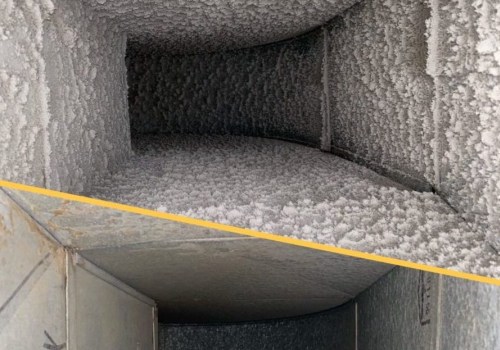
However, they should be viewed as part of a broader strategy for maintaining healthy IAQ. By combining the use of air purifiers with regular cleaning practices, proper ventilation, humidity control, and source management, homeowners can create a healthier living environment.
Choosing the Right Air Purifier for Your Home
When it comes to selecting the best air purifier for home, understanding your specific needs is crucial. With a variety of options available, making an informed choice can significantly enhance your indoor air quality. Here are some key factors to consider:- Room Size: One of the first considerations should be the size of the room where you plan to use the air purifier.
Most manufacturers provide a recommended room size for their units. Ensure that the air purifier you choose is capable of effectively circulating air in your designated space. For larger rooms, look for models with higher CADR (Clean Air Delivery Rate) ratings.
- Filter Type: The type of filter used in an air purifier plays a significant role in its effectiveness. HEPA filters are widely regarded as the gold standard, capable of capturing 99.97% of particles as small as 0.3 microns.
If you have specific concerns, such as allergies or asthma, consider models that also include activated carbon filters to tackle odors and volatile organic compounds (VOCs).
- Noise Levels: Depending on where you plan to place your air purifier, noise levels can be a critical factor. Some models operate quietly, while others may produce noticeable sound, especially at higher settings. Look for units with a low decibel rating if you intend to use them in bedrooms or quiet spaces.
- Maintenance Requirements: Regular maintenance is essential for optimal performance. Check how often filters need to be replaced and the associated costs.
Some air purifiers come with filter change indicators, which can help you keep track of when maintenance is due.
- Energy Efficiency: Consider energy consumption when selecting an air purifier. Look for models that are Energy Star certified, as they consume less electricity while providing effective air cleaning.
- Additional Features: Many modern air purifiers come equipped with smart features such as air quality sensors, remote control capabilities, and app connectivity. These features can enhance usability and allow you to monitor air quality in real-time.
Air Purifiers and Health Concerns: COVID-19 and Beyond
The emergence of COVID-19 has heightened awareness about indoor air quality and the role of air purifiers in safeguarding health.As the virus primarily spreads through respiratory droplets, many individuals are turning to air purifiers as a potential line of defense against airborne pathogens. But how effective are these devices in reducing the risk of infection?Research indicates that certain types of air purifiers, particularly those equipped with HEPA (High-Efficiency Particulate Air) filters, can significantly reduce the concentration of viral particles in indoor environments. A study published in the journal Environmental Science & Technology found that HEPA filters can capture up to 99.97% of particles as small as 0.3 microns, which includes many viruses and bacteria. This capability makes them a valuable tool for improving indoor air quality.However, it is essential to understand that while air purifiers can lower the number of airborne viruses, they do not provide complete protection against COVID-19 or other infectious diseases.
The effectiveness of an air purifier is influenced by several factors:
- Room Size: The size of the room where the air purifier is used plays a crucial role. A unit designed for a small room may not be effective in larger spaces.
- Air Changes Per Hour (ACH): This metric indicates how many times the air purifier can filter the entire volume of air in a room within an hour. Higher ACH ratings suggest better performance.
- Proper Placement: Positioning the air purifier correctly can enhance its efficiency. It should be placed in areas where people gather and away from walls or obstructions.
- Allergen Reduction: Air purifiers can help alleviate symptoms for individuals with allergies by removing pollen, dust mites, and pet dander from the air.
- Odor Elimination: Many models come with activated carbon filters that effectively absorb unpleasant odors from cooking, pets, and smoke.
- Asthma and Respiratory Relief: By reducing airborne irritants, air purifiers can provide relief for asthma sufferers and those with other respiratory conditions.
When combined with other preventive measures such as vaccination, mask-wearing, and good ventilation practices, they contribute to a safer indoor environment.
Maintaining Your Air Purifier for Optimal Performance
To ensure your air purifier for home operates at peak efficiency, regular maintenance is essential. Neglecting this aspect can lead to reduced performance and compromised air quality. Here are some best practices to keep your air purifier functioning optimally.Regular Cleaning
Cleaning your air purifier is a straightforward process that can significantly enhance its performance. Follow these steps:- Dust the Exterior: Use a soft, damp cloth to wipe down the exterior of the unit.
This prevents dust accumulation, which can obstruct airflow.
- Clean the Pre-Filter: If your air purifier has a pre-filter, remove it and wash it according to the manufacturer's instructions. This step is crucial as it captures larger particles before they reach the main filter.
- Check the Fan and Vents: Ensure that the fan and vents are free from dust and debris. A vacuum with a brush attachment can be helpful for this task.
Filter Replacement Schedule
The filters in your air purifier play a vital role in maintaining air quality. Adhering to a replacement schedule is crucial:- HEPA Filters: Typically, HEPA filters should be replaced every 6 to 12 months, depending on usage and air quality conditions.
- Activated Carbon Filters: These filters usually need replacement every 3 to 6 months, especially if you live in an area with high levels of pollutants or odors.
- Pre-Filters: Depending on the model, pre-filters may need cleaning or replacement every month or two.
Troubleshooting Common Issues
If you notice any issues with your air purifier, such as unusual noises or decreased airflow, consider these troubleshooting tips:- Noisy Operation: Check for any loose parts or debris caught in the fan.
Tighten screws if necessary and clean any obstructions.
- Poor Airflow: Ensure that filters are not clogged and are installed correctly. A dirty filter can significantly reduce airflow.
- Error Messages: Refer to the user manual for guidance on error codes. Resetting the unit may resolve minor issues.
Conclusion: The Role of Air Purifiers in a Healthy Home Environment
In conclusion, the role of air purifiers for home use is multifaceted and essential for enhancing indoor air quality. As we have explored throughout this article, these devices can significantly reduce airborne pollutants, allergens, and even some pathogens, contributing to a healthier living environment.However, it is crucial to approach their use with a balanced perspective.While air purifiers can effectively filter out many harmful particles, they are not a panacea. They should be viewed as part of a comprehensive strategy for maintaining good indoor air quality rather than a standalone solution. Regular cleaning and maintenance of your home, including vacuuming carpets and upholstery, dusting surfaces, and ensuring proper ventilation, are equally important in reducing indoor pollutants.Moreover, understanding the different types of air purifiers available is vital. Mechanical filters, particularly HEPA filters, are generally recommended due to their ability to capture a wide range of particles without producing harmful byproducts like ozone.
In contrast, electronic filters may offer some benefits but can also introduce additional risks if not used correctly.As we navigate through ongoing concerns about air quality—exacerbated by factors such as urban pollution and health crises like the COVID-19 pandemic—air purifiers can serve as a valuable tool in our arsenal. They can help mitigate the effects of poor air quality on our health, particularly for vulnerable populations such as children, the elderly, and those with pre-existing respiratory conditions.Ultimately, the effectiveness of an air purifier hinges on its proper selection and usage. When choosing an air purifier for home, consider factors such as room size, filter type, and specific air quality needs. By integrating these devices into a broader approach to indoor air quality management—one that includes regular cleaning practices and awareness of potential sources of pollution—you can create a healthier home environment.In summary, while air purifiers are beneficial in improving indoor air quality, they should complement other healthy practices rather than replace them.
With informed choices and consistent efforts towards maintaining clean air in our homes, we can foster a safer and more comfortable living space for ourselves and our families.